Restore / textured photo paper
Remove Print Texture and Pattern from Old Photos
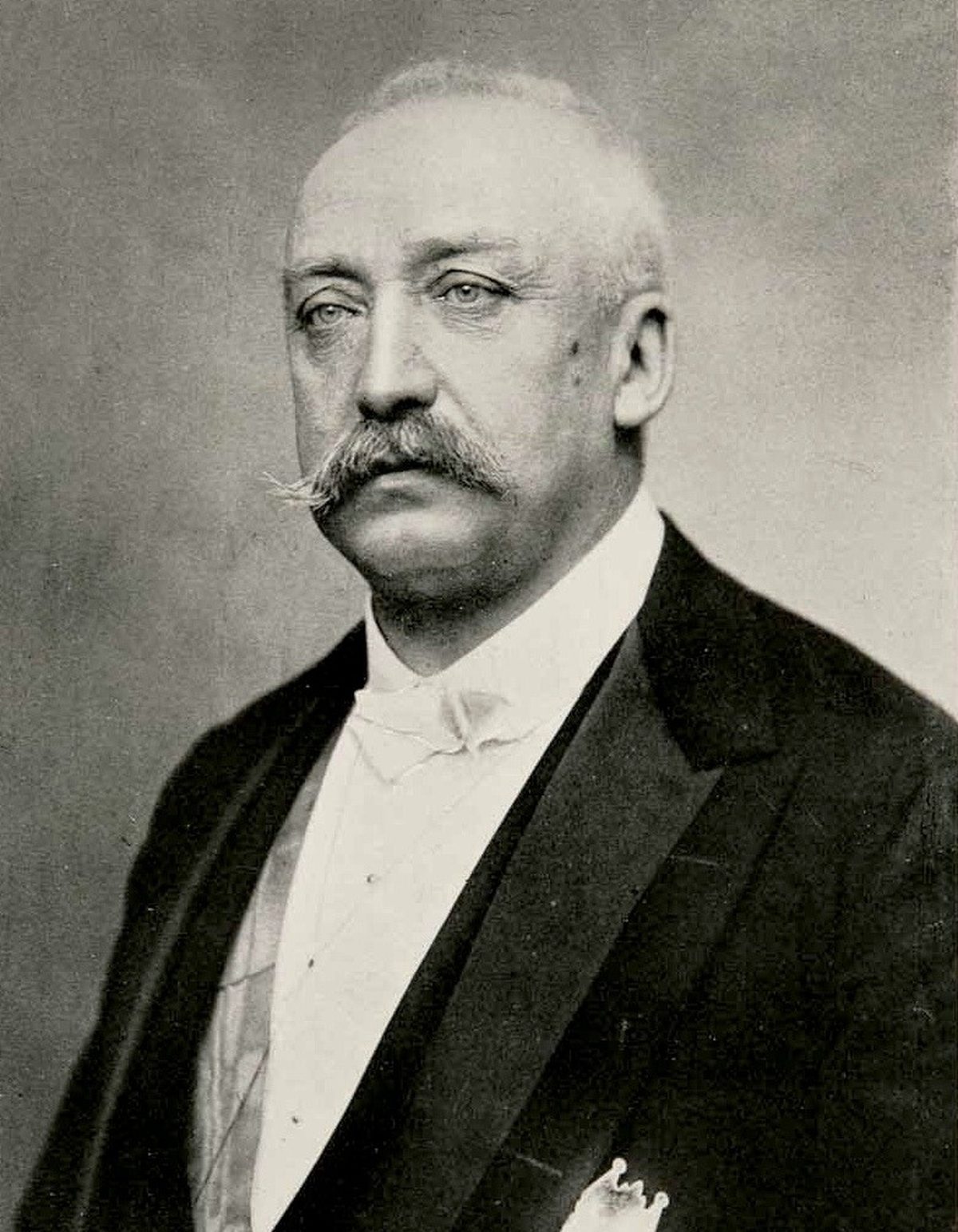
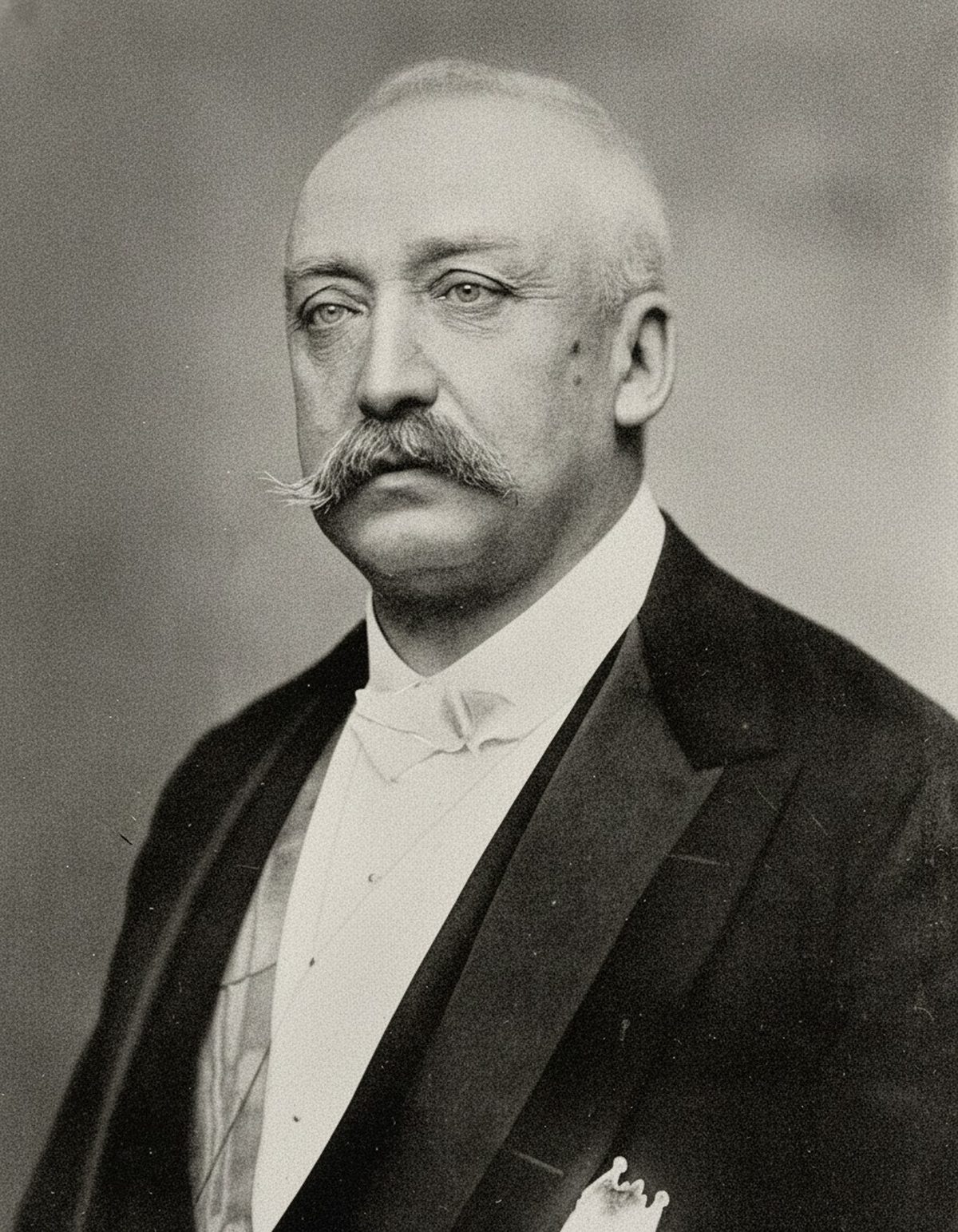
AI can smooth away the woven silk, linen, or pebble texture pressed into old photo paper, and clear the crosshatch or waffle pattern a plastic album sleeve stamped onto a print, recovering the smooth image underneath. Where texture sat directly over fine detail, some of that detail is reconstructed. Preview it free and check faces before relying on the result.
- Free preview first
- No signup
- Ready in minutes
- Pay only for what you keep
- One payment — nothing to cancel
How it works
Upload your photo
Drop in a scan or phone photo of the damaged print. Your original is never touched, and there's no signup.
Preview it free
See the restoration beside your photo in about a minute. Drag the slider and judge it for yourself before you spend a cent.
Keep what you love
Pay only for the results worth keeping, then download them in full resolution.
Preview your photo — freeWhat to know before restoring this photograph
For decades, photo labs printed on textured paper on purpose. Silk, linen, pebble, and lustre finishes were sold as premium — they hid fingerprints and cut glare — but scanned today that woven surface becomes a grid of tiny shadows laid over every face, turning a sharp portrait into something that looks perpetually screened.
A second, accidental kind of texture comes from storage. The soft plastic pages of self-adhesive 'magnetic' albums, and some sleeve materials, press a fine crosshatch or waffle pattern into the print's surface over years of contact — pattern transfer that has nothing to do with the image but sits right on top of it.
Both are surface patterns rather than lost image, which is why they respond well. Scan the print at a high resolution, 600 dpi or more, so the texture is fully resolved rather than half-sampled into a moiré shimmer — a texture the scanner captures cleanly is far easier to separate from the photograph than one it aliased.
The AI then reads the regular weave or grid, separates it from the picture beneath, and smooths it away while rebuilding the continuous tone of skin, fabric, and background, so the print reads as a photograph again instead of a piece of textured paper.
The limit lives where texture overlapped genuine fine detail — the individual hairs at a hairline, the weave of real clothing, the catchlight in an eye. Removing the paper pattern there means reconstructing what it obscured, so treat those smallest details as plausibly rebuilt rather than truly recovered, and inspect them before trusting them.
Faces are the test. Over-aggressive texture removal can sand a face into a smooth, waxy mask, trading the paper grid for an equally artificial smoothness. Keep a little genuine skin texture, compare against the scan, and prefer the version that still looks like a photograph of a person over one polished into plastic.
If a whole album was printed on the same silk stock or stored in the same magnetic pages, the pattern is consistent across every print — so a treatment dialled in on one page usually carries across the rest, and you can work through the collection with the same settings.
Keep the textured scan beside the smoothed version and label which is which. The paper finish is part of how the photograph was made and kept; the smoothed file is the version made for looking at and sharing.
The free preview shows the weave lifting and the smooth image returning before any decision is needed. If the cleaned version still reads as the same photograph — just clear of the paper grid — export the results you want, and that is the whole of the cost.
Questions about textured prints and pattern transfer
Can you remove the silk or linen texture from an old photo print?
Yes — a woven silk, linen, or pebble finish is a regular surface pattern sitting over the image, and AI can read it, separate it from the picture, and smooth it away while rebuilding the continuous tone underneath. Scan at 600 dpi or higher so the texture is captured cleanly, and inspect fine details like hair and eyes, where removing the pattern means reconstructing what it covered.
My photos have a crosshatch pattern from a plastic album. Can that be fixed?
Yes. The waffle or crosshatch pattern that self-adhesive 'magnetic' albums and some sleeves press into a print over the years is pattern transfer that sits on the surface, not damage to the image itself. Because it's a regular pattern, it separates cleanly from the photograph in most cases, leaving the faces and scene beneath intact.
How much does a restoration cost?
The preview is free. Full-resolution downloads are $7.99 for one photo, $24.99 for five, or $69.99 for twenty — each photo includes up to three restoration attempts, and downloads stay available for 30 days.
Will removing the texture make faces look fake?
Only if it's pushed too hard. Aggressive smoothing can sand a face into a waxy mask, which is why the goal is to lift the paper pattern while keeping a little genuine skin texture. Compare the result against the original scan and prefer the version that still reads as a real photograph over one polished unnaturally smooth.
See what your photo can become
Upload it, preview the restoration free, and keep only the result that feels right.
Preview your photo — free- Free preview first
- No signup
- Ready in minutes
- Pay only for what you keep
- One payment — nothing to cancel