Restore / family portrait
Restore an Old Family Portrait Online
AI can normalize group contrast, repair repeated surface marks, and make a consistent image for relatives to annotate and identify. Zoom through one person at a time. Unknown or badly damaged faces remain interpretations, so pair the result with names and the original scan. Keep the untouched scan beside the result.
- 3 free previews a month
- No signup
- Ready in minutes
- One payment — nothing to cancel
How it works
Upload your photo
Drop in a scan or phone photo of the damaged print. Your original is never touched, and there's no signup.
Preview it free
See the restoration beside your photo in about a minute. Drag the slider and judge it for yourself before you spend a cent.
Keep what you love
Pay only for the results worth keeping, then download them in full resolution.
Preview your photo — freeWhat to know before restoring this photograph
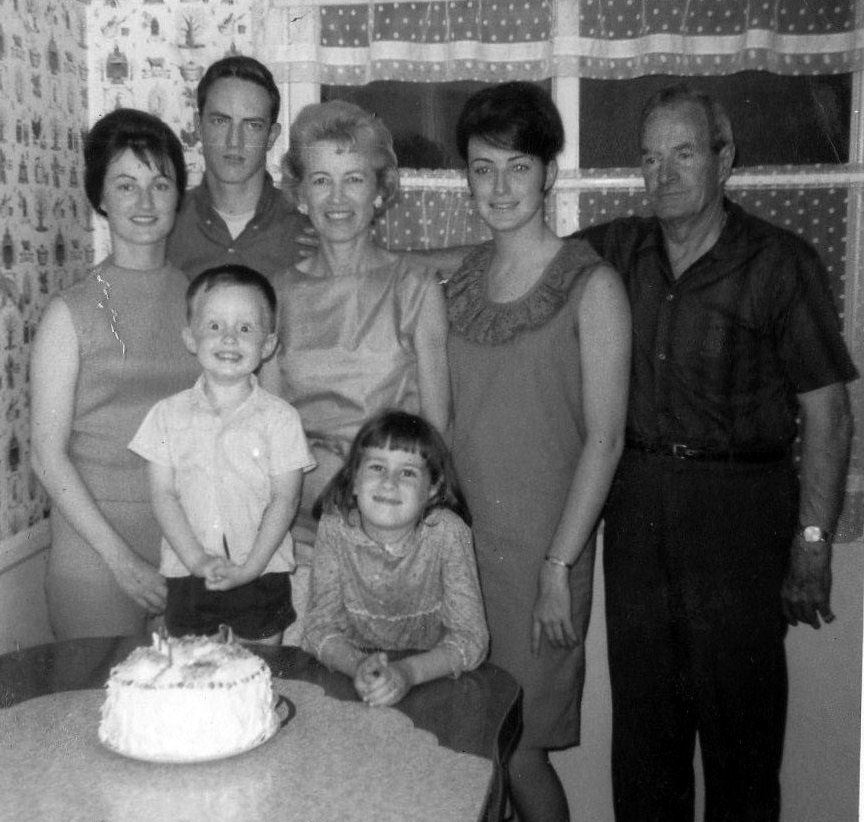
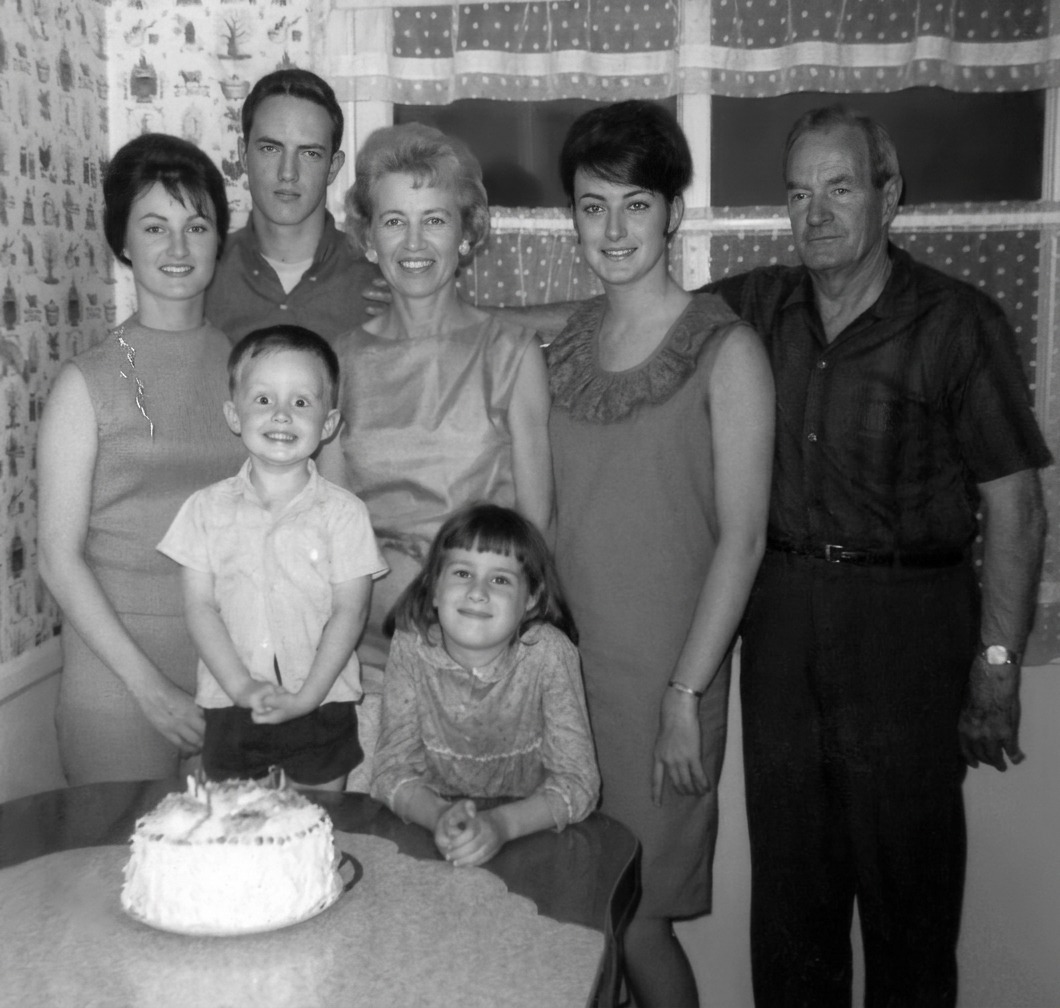
In a posed family portrait the faces are the whole cargo, and most of them belong to people someone still recognises. That is the standard a restoration has to meet: not technically clean, but recognisable to the relatives who knew how each person actually stood, squinted, and smiled.
Physical damage on these prints tends to be shared. A single crease from a bent album page can run through three people; uneven fading from years on a wall can dim one side of the group more than the other. Group-wide correction is therefore the right first move — it repairs the common problems consistently instead of fixing one figure and distorting a neighbour.
Make the capture generous: the full mount at high resolution, evenly lit, with patterned dresses and studio backdrop included rather than cropped for neatness. Large originals do better under a careful camera copy than under casual phone shots stitched together.
AI handles the group layer well — normalising contrast across the frame, mending the repeated surface marks, and lifting the overall dimness so every face gains the same amount. What comes back is a single consistent image the family can annotate with names, rather than a patchwork of locally fixed spots.
Then inspect it the slow way: zoom to one person at a time and walk the rows. Glasses, hairlines, and the set of a mouth are where reconstruction drifts, and an edit that flatters the centre of the frame can misplace details on the people standing at the edge.
Recruit a second pair of eyes that knew the family. Show them the original first, ask what they notice, then show the draft; a changed expression that survives your inspection rarely survives theirs.
Where a face was badly damaged or belongs to someone nobody can check, the rebuilt version stays an interpretation. Keep it gentle, note it, and let the untouched scan remain the authority on what the paper actually held.
If the portrait will circulate publicly, make a separate sharing crop and keep the complete master private with its notes — full names and locations attached to living relatives deserve that separation.
A free preview shows the group-wide correction before anything is decided, and payment happens only when a copy is exported. The useful end state is one clear, consistent print the family can gather around, mark up with names, and pass to the next generation with the original scan kept alongside.
Questions about old family portraits
How do you restore an old family group photo?
Scan the whole mount at high resolution, then let AI even out group-wide contrast and repair repeated surface marks so every face becomes easier to read at once. Because a single crease can cross several people, review the result one person at a time. Faces that are badly damaged or unfamiliar stay interpretations, so pair the copy with names and the original scan.
Will every face in the group come out looking right?
The clear, well-lit faces usually restore well. Small or heavily faded ones are harder, and an edit tuned to the central subject can subtly distort someone at the edge — so zoom through each person and check. Where a face is too damaged to be certain, keep the original beside the result and record who is who.
How much does a restoration cost?
The preview is free. Full-resolution downloads are $7.99 per photo, and the rate drops the more you restore — down to $4.49 each on the largest batches. Each photo includes up to three restoration attempts, and downloads stay available for 30 days.
What happens to the photo I upload?
It becomes the reference for a new restored copy and is left unchanged. Your job is to keep that original scan safe and labeled so you can always see what was real versus what the AI rebuilt.
See what your photo can become
Upload it, preview the restoration free, and keep only the result that feels right.
Preview your photo — free- 3 free previews a month
- No signup
- Ready in minutes
- One payment — nothing to cancel