Restore / photo album print
Restore Prints from an Old Photo Album
AI can restore individual working copies for viewing, while the page-level images preserve names, chronology, and original placement. Deep gutter shadows or covered edges remain unknown. Keep filenames tied to page numbers so repaired portraits never become detached from their context. Keep the untouched scan beside the result.
- 3 free previews a month
- No signup
- Ready in minutes
- One payment — nothing to cancel
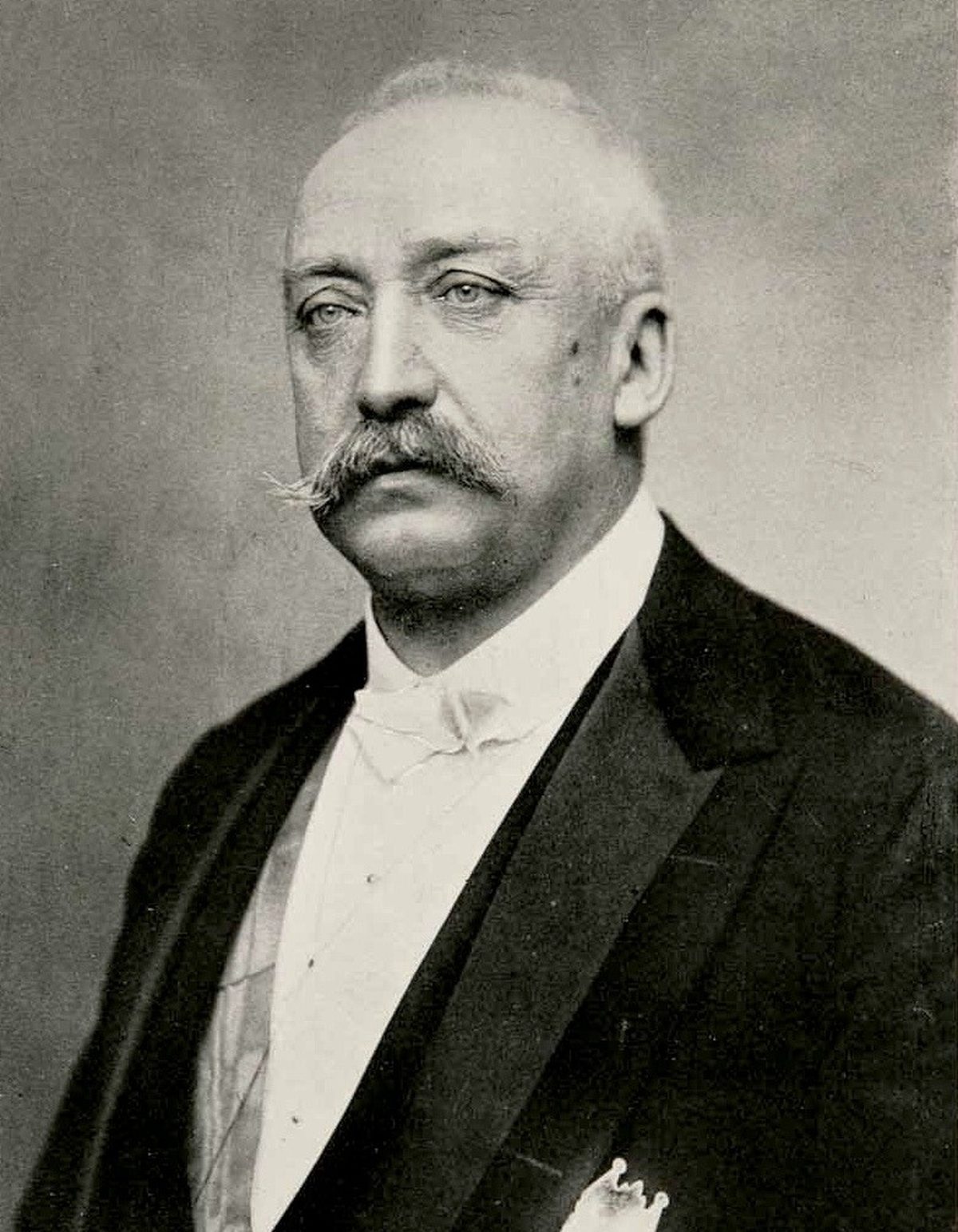
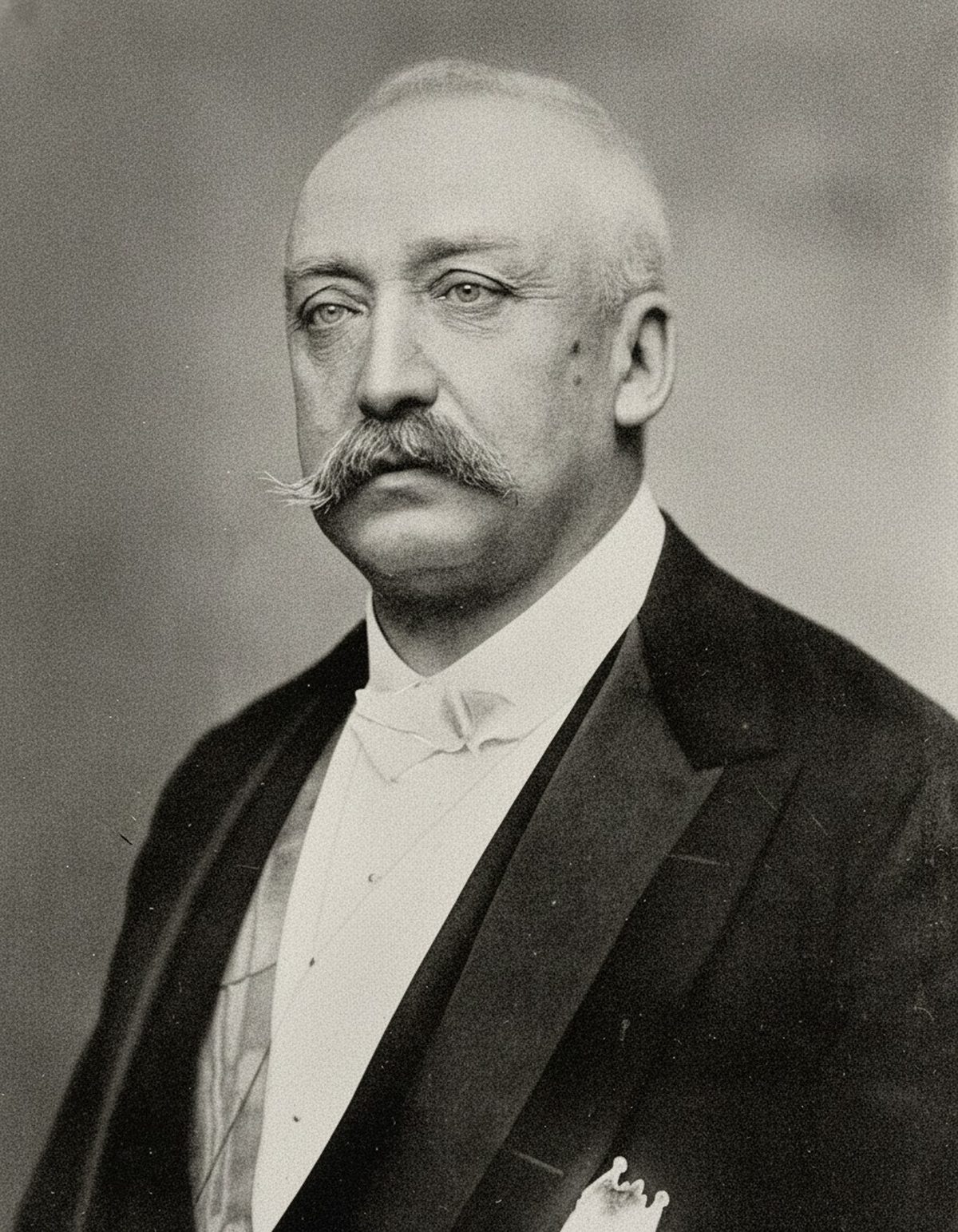
How it works
Upload your photo
Drop in a scan or phone photo of the damaged print. Your original is never touched, and there's no signup.
Preview it free
See the restoration beside your photo in about a minute. Drag the slider and judge it for yourself before you spend a cent.
Keep what you love
Pay only for the results worth keeping, then download them in full resolution.
Preview your photo — freeWhat to know before restoring this photograph
An old photo album is more than a box of prints that happen to be glued down: the page order, the neighbors, and the captions are a narrative someone assembled deliberately. Restoring album prints starts with protecting that narrative, not with extraction.
So photograph or scan each full page first — captions, mounting corners, blank spots where a print went missing — before considering any close-up work. Those page images preserve names, chronology, and placement even if the individual restorations happen months later.
How the prints are attached decides what is safe. Corner-mounted prints often slide free without stress. Glued prints, and anything in a self-stick 'magnetic' album whose adhesive has yellowed and hardened with age, should stay exactly where they are: pulling tears the print's paper backing, and the damage done in ten seconds of impatience is permanent.
For prints that must remain mounted, re-photograph them individually, square to the page and evenly lit. Expect two blind spots you cannot fix by wishing: the shadowed curve where the page dips into the binding, and whatever hides under mounting corners and overlaps — covered content is simply unknown.
From these captures, AI restores each picture on its own terms — fading rebalanced, color casts corrected, small marks and album-glue shadows reduced — without a single print leaving its page. Prints from different decades on the same spread can each get their own treatment, since a 1970s color shift and a 1940s fade are different problems.
Edges the album conceals stay outside the restoration's honest reach; anything drawn beyond the visible boundary is invention, so prefer keeping the visible frame over extending it.
Transcribe the captions now rather than later. White ink on black paper flakes, pencil fades into the page, and the relatives who could identify the unlabeled faces are not getting younger. A plain text file per page, matched to the page scans, is enough to keep the names attached.
Name every restored file after its album and page — the numbering is what keeps a repaired portrait from drifting loose into an anonymous image folder and losing the story it came with.
Then test the approach: pick the page that matters most, preview its prints free, and pay only for the restorations you keep. The album itself stays intact, exactly as it was assembled.
Questions about photo album prints
Is it possible to restore prints that are stuck in an old album?
Yes — photograph or scan the prints in place, then let AI clean up the individual pictures for viewing while your full-page images keep the names, order, and layout intact. Where a print curves into the album gutter or an edge is hidden under a corner mount, that covered area simply isn't in the capture, so AI can't reveal it. Never force a stuck print loose; capture it where it sits.
Should I peel the photos out of the album first?
No — pulling a stuck print can tear it or strip the emulsion. Capture each page as it is with flat, even light, keeping captions and page order in the shot, and only crop a duplicate for restoration. The album's sequence and handwritten notes are family evidence in their own right, so preserve the page images even after you clean up single photos.
How much does a restoration cost?
The preview is free. Full-resolution downloads are $7.99 per photo, and the rate drops the more you restore — down to $4.49 each on the largest batches. Each photo includes up to three restoration attempts, and downloads stay available for 30 days.
Do I keep the untouched original?
Always. Nothing overwrites your source — the result is a fresh copy you can accept or discard. Store the original scan apart from the restored version and record which areas were reconstructed.
See what your photo can become
Upload it, preview the restoration free, and keep only the result that feels right.
Preview your photo — free- 3 free previews a month
- No signup
- Ready in minutes
- One payment — nothing to cancel