Restore / newspaper clipping
Restore an Old Newspaper Clipping Scan
AI can reduce paper discoloration, tame moiré, clarify type, and make the printed photograph easier to view without pretending it is a first-generation image. Tiny halftone faces and missing letters cannot be recovered exactly. Retain the full clipping scan because headlines, date, and layout supply essential context. Keep the untouched scan beside the result.
- 3 free previews a month
- No signup
- Ready in minutes
- One payment — nothing to cancel
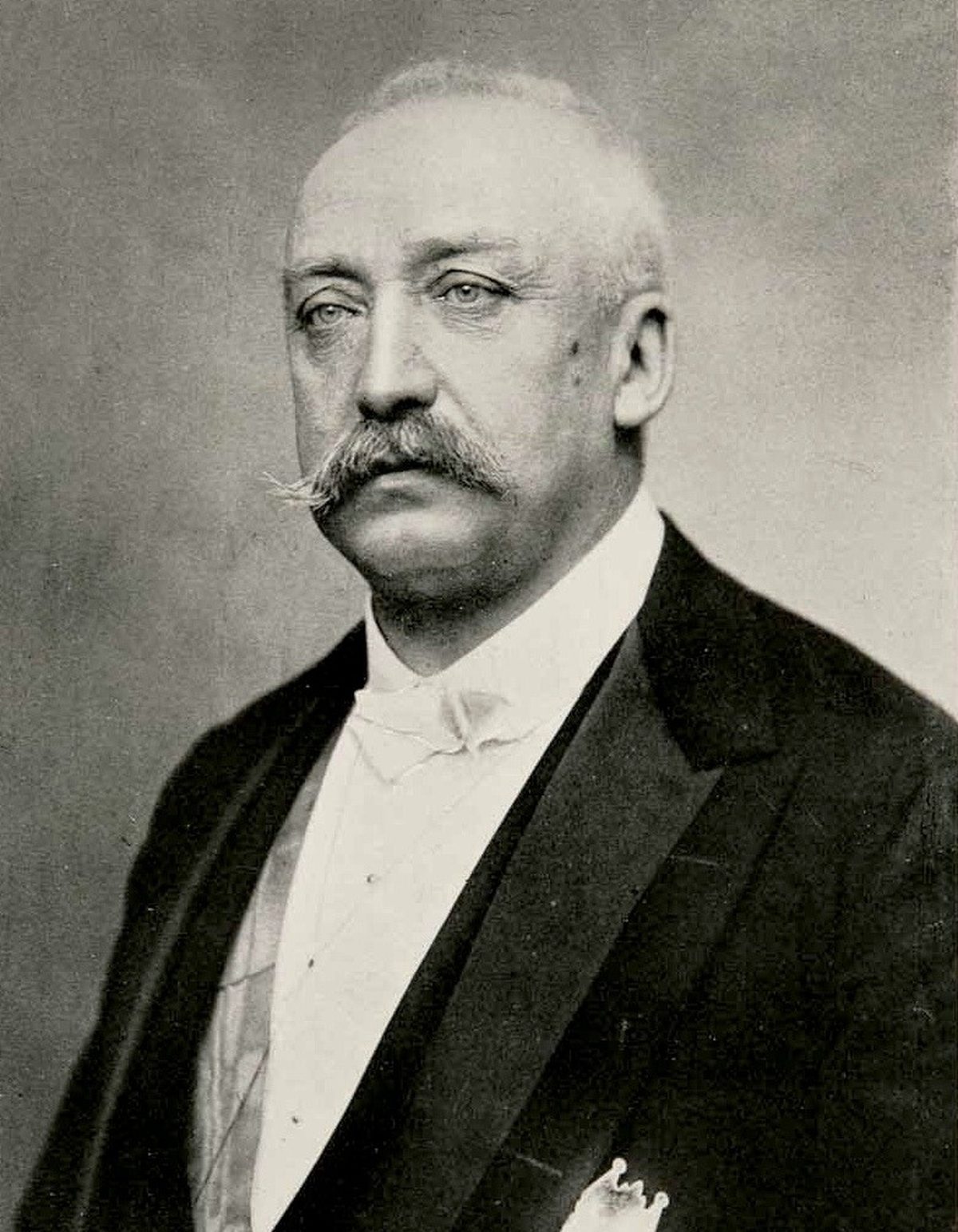
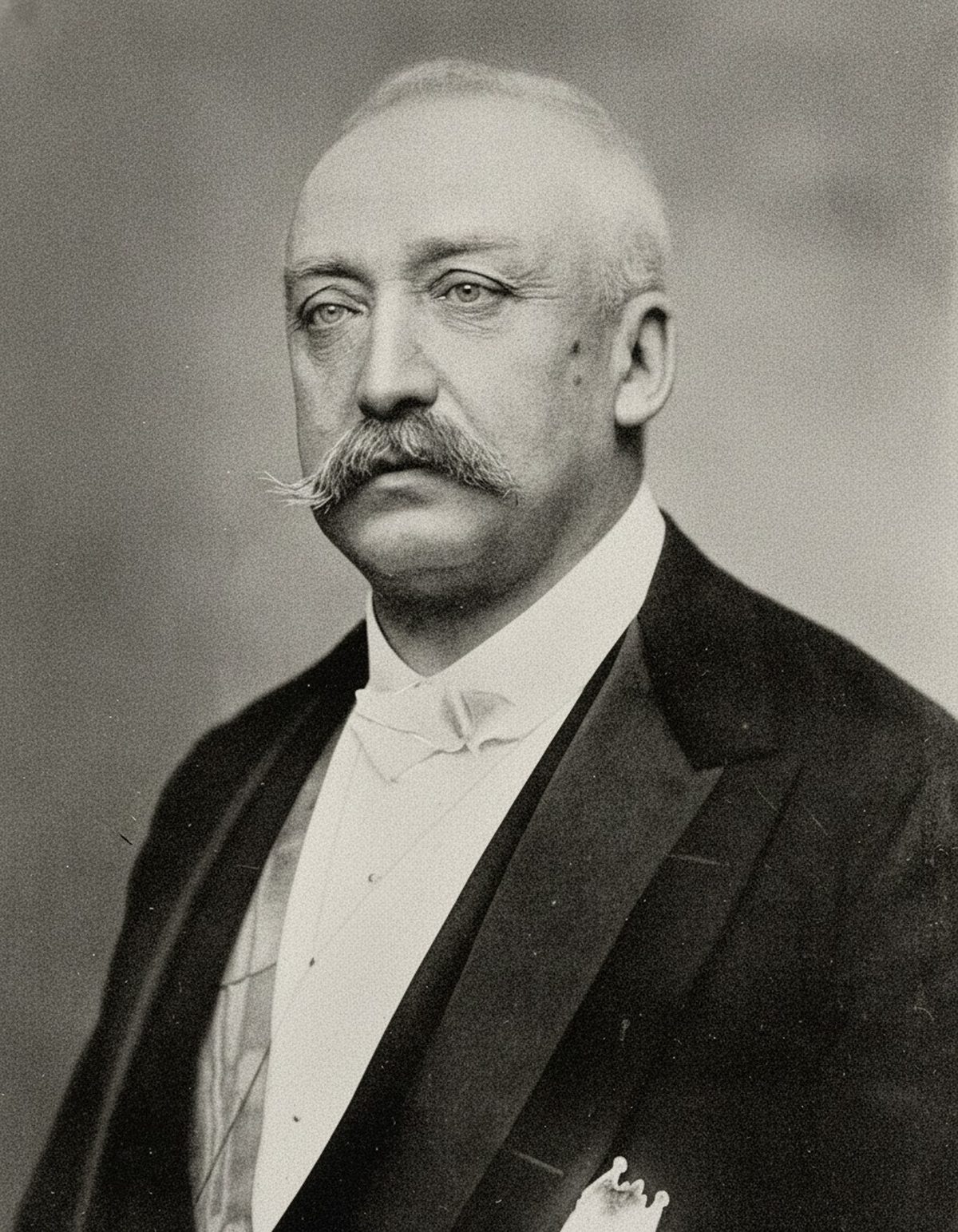
How it works
Upload your photo
Drop in a scan or phone photo of the damaged print. Your original is never touched, and there's no signup.
Preview it free
See the restoration beside your photo in about a minute. Drag the slider and judge it for yourself before you spend a cent.
Keep what you love
Pay only for the results worth keeping, then download them in full resolution.
Preview your photo — freeWhat to know before restoring this photograph
Look at a newspaper photo with a loupe and the picture disappears: it is a halftone, an array of ink dots whose sizes fake continuous tone on cheap groundwood newsprint. Restoring a clipping means working with that dot screen, and with paper that was engineered to last a day.
Newsprint's own acids brown it and make it brittle within a generation, folds become fault lines that shed fragments each time they flex, and the scanner adds a problem of its own — moiré, the shimmering interference pattern that appears whenever the page's regular dot grid meets the sensor's regular pixel grid.
Handle a brittle clipping flat on a support sheet and do not force old folds to open; a crease that resists is close to becoming two pieces. Scan at high resolution, and capture the entire clipping — headline, caption, date line, and page fragments — not just the photograph.
Resist the urge to laminate or tape the original afterwards. Adhesives and laminating films accelerate the acid decay they are meant to prevent; an archival sleeve does the same job and can be undone.
On the digital side, AI can calm the brown discoloration, suppress moiré, smooth the dot pattern into readable tone, and sharpen headline and caption type — turning a crumbling scrap back into something legible on a screen.
The dots set the ceiling. A face printed small holds only as much information as its dots encoded, and letters lost from a crumbled edge cannot be brought back exactly; enlargements and edge fills past that point are interpretation, not recovery.
Before leaning on heavy reconstruction, use the clipping's own metadata: the paper's name and date in the caption or masthead often lead to an archive or library copy of the same issue in far better condition, and sometimes to the original photograph itself.
Archive the whole-clipping scan as the master and treat any cleaned-up crop of the photograph as a derivative, keeping the two linked by filename. The headline, byline, and date are frequently the most valuable part of the object — a family photo with its published context attached is worth far more to the next researcher than the picture alone.
Run the free preview on the scan and judge whether the page becomes readable again; keep and pay for the restored file only if it does, with the untouched scan preserved beside it.
Questions about newspaper clippings
Can you clean up an old newspaper clipping scan?
Yes — AI can knock back the yellowed paper, tame the moiré from the printed dot screen, sharpen the type, and make the photo in the clipping easier to read. It won't pretend the result is a first-generation photograph, though. The picture was already broken into ink dots before the paper aged, so tiny halftone faces and missing letters can't be reproduced exactly — keep the full scan for the headline and date context.
Why do old newspaper photos look so dotty and rough?
Because they were never continuous photographs to begin with — the press converted each image into a grid of ink dots, so there is less real tone in the clipping than in the photographer's original. AI can soften that dot pattern and improve legibility, but it can't add detail the halftone never carried. Scanning at a good resolution with a dark sheet behind the paper gives it the most to work with.
How much does a restoration cost?
The preview is free. Full-resolution downloads are $7.99 per photo, and the rate drops the more you restore — down to $4.49 each on the largest batches. Each photo includes up to three restoration attempts, and downloads stay available for 30 days.
Will running this change or damage the photo I upload?
It never touches the file you keep. The editor generates a new restored version and leaves your uploaded scan intact. Save that original under its own filename and note anywhere the restoration rebuilt missing detail.
See what your photo can become
Upload it, preview the restoration free, and keep only the result that feels right.
Preview your photo — free- 3 free previews a month
- No signup
- Ready in minutes
- One payment — nothing to cancel