Restore / glass plate negative
Restore a Scanned Glass Plate Negative
AI can reduce cracks, dust, and emulsion flaws and balance density on an image scanned from a glass plate negative. Areas where the emulsion has flaked away hold no image and must be reconstructed. Have fragile or broken plates handled and scanned carefully first. Keep the untouched scan beside the result.
- 3 free previews a month
- No signup
- Ready in minutes
- One payment — nothing to cancel
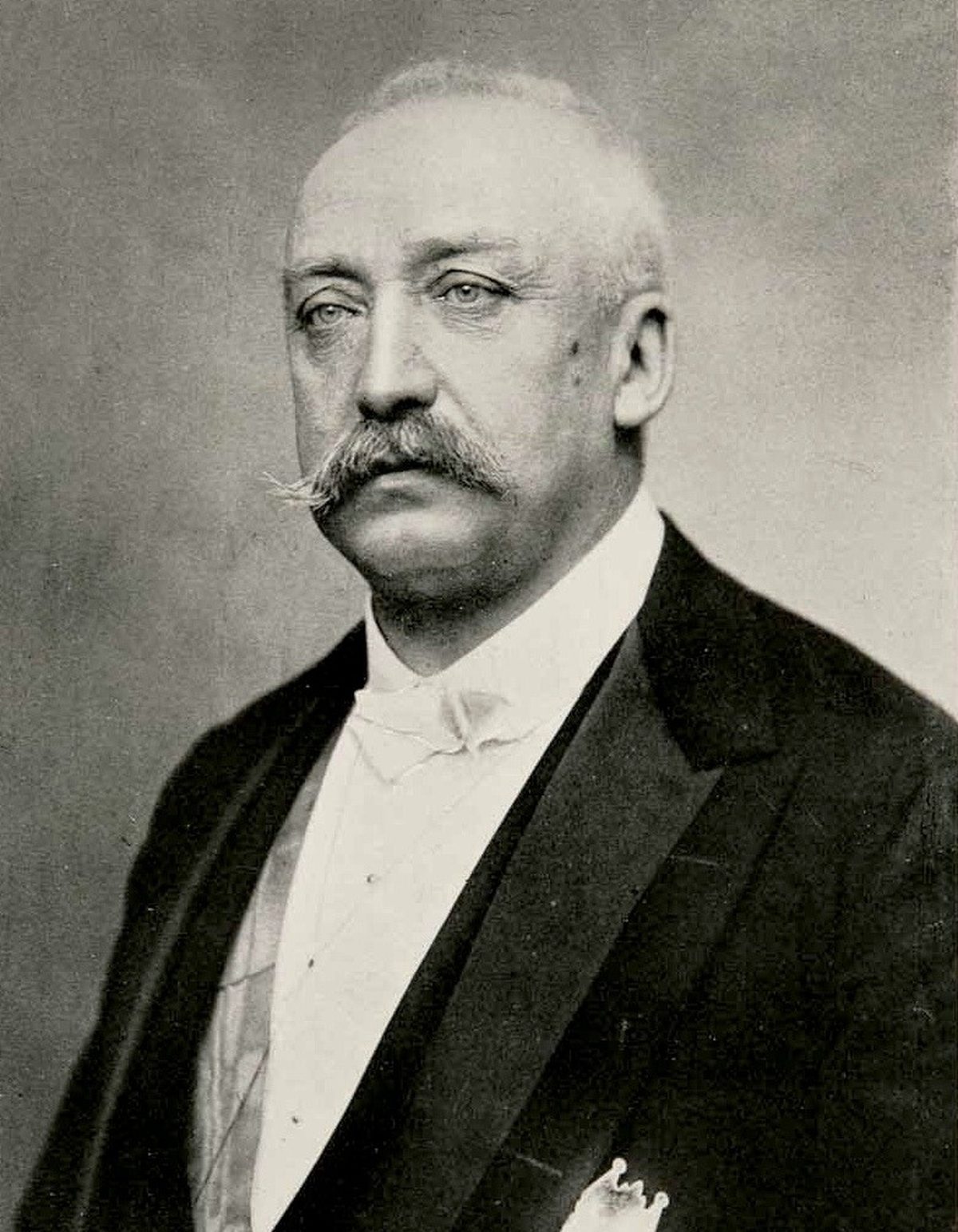
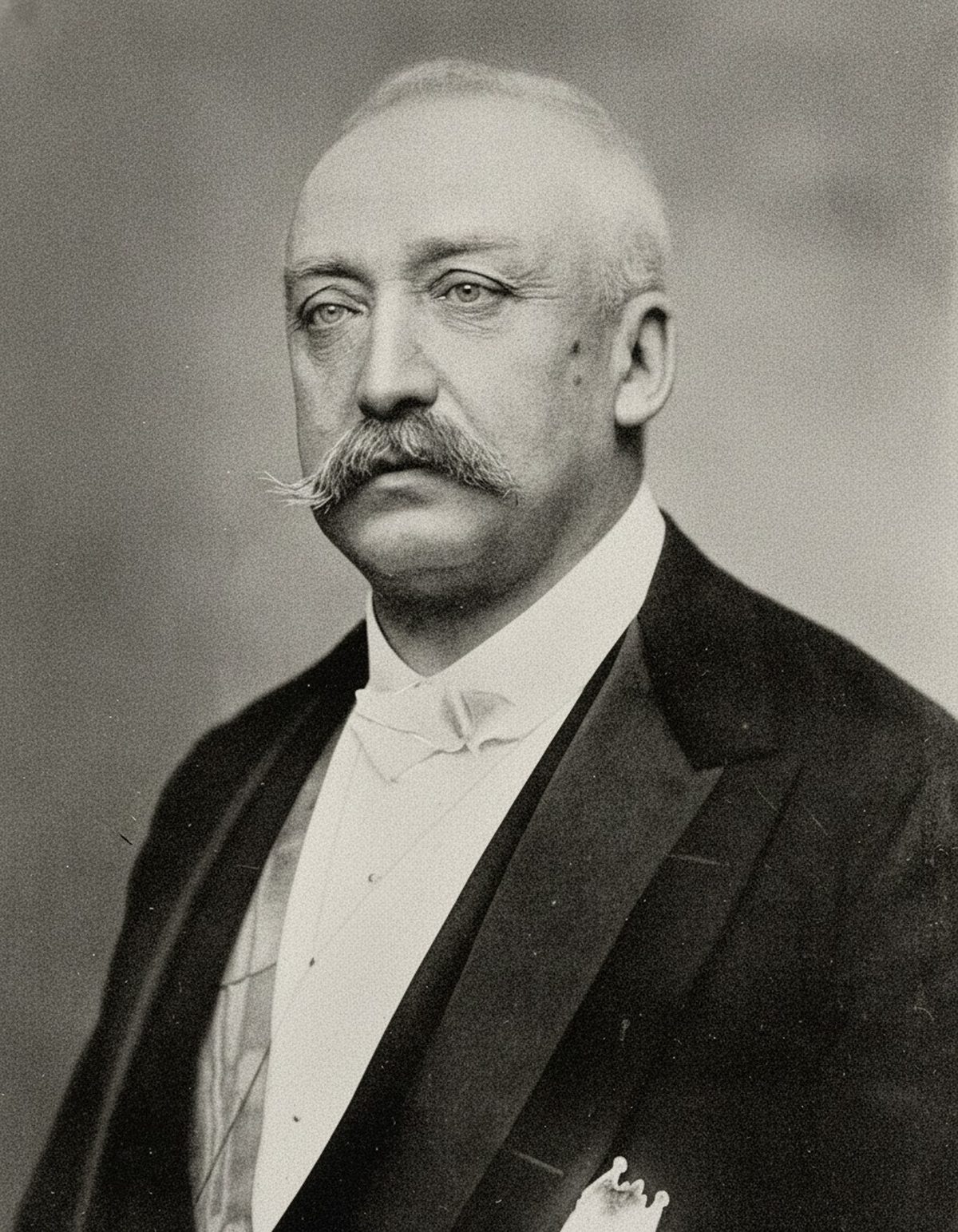
How it works
Upload your photo
Drop in a scan or phone photo of the damaged print. Your original is never touched, and there's no signup.
Preview it free
See the restoration beside your photo in about a minute. Drag the slider and judge it for yourself before you spend a cent.
Keep what you love
Pay only for the results worth keeping, then download them in full resolution.
Preview your photo — freeWhat to know before restoring this photograph
A glass plate negative is a coat of image-bearing emulsion on a sheet of glass — dimensionally stable, sharp, and heavy, with tones reversed like any negative. The glass keeps the image flat for a century; it also means one slip on a hard floor ends the story.
Handle a plate by its edges with the dull emulsion side up, and never slide plates across each other in a stack — sliding grinds emulsion off. The characteristic failures are flaking along the plate's rim, a metallic silvered sheen in dense areas, and cracks or outright breaks.
A broken plate can still be captured well. Lay the shards in position on the scanner or light table, close the gaps gently without forcing edges to touch, and capture everything in one pass. Do not tape or glue glass — every adhesive option makes the object worse and the future repair harder.
Scan with transmitted light where possible — a flatbed with a transparency unit, or a camera over an even light panel — since the image only speaks when lit from behind, and record at high resolution. Large plates carry an enormous amount of detail for their era, and portraits often emerge from them that no surviving print ever showed.
After inversion, AI can knock back the crack lines, clear dust and rim flaking, and balance the plate's uneven density into a printable, shareable positive.
Where the emulsion has flaked away, the glass under it is simply empty — there is no faint image waiting beneath. Fills across those losses are reconstructions, and if a loss crosses a face the rebuilt features should be checked against other pictures of the person.
Silvering deserves patience rather than aggression: it lives in the dense shadow areas where real detail also lives, so ask for a restrained pass first and inspect what the sheen was hiding before approving anything stronger.
House the plates upright on their long edges in individual paper sleeves, labeled to match your scan filenames, in a cool and stable spot. A plate stored flat under the weight of its neighbors is a crack waiting for a reason, and an unlabeled scan is an orphan the moment the box lid closes.
Then let the free preview show what the plate has been holding: invert, restore, compare against any old family print, and pay only for the versions that earn a place in the record.
Questions about glass plate negatives
Can you restore a photo from a glass plate negative?
Yes, once the plate is safely scanned. Working from that digital positive, AI can reduce dust, hairline cracks, and small emulsion flaws and balance uneven density so the image reads more clearly. Where the emulsion has actually flaked off the glass, no image survives there, so those gaps are reconstructed plausibly rather than recovered.
My glass plate is cracked or chipped — what should I do?
Handle it as little as possible; broken glass and flaking emulsion are fragile and easily lost. If you can, have it captured by someone experienced with negatives, then do all the restoration on the digital file. That way the physical plate is never stressed further, and you still get a readable image from what survives.
How much does a restoration cost?
The preview is free. Full-resolution downloads are $7.99 per photo, and the rate drops the more you restore — down to $4.49 each on the largest batches. Each photo includes up to three restoration attempts, and downloads stay available for 30 days.
What happens to the photo I upload?
It becomes the reference for a new restored copy and is left unchanged. Your job is to keep that original scan safe and labeled so you can always see what was real versus what the AI rebuilt.
See what your photo can become
Upload it, preview the restoration free, and keep only the result that feels right.
Preview your photo — free- 3 free previews a month
- No signup
- Ready in minutes
- One payment — nothing to cancel