Restore / flash glare
Fix Flash Glare and Hotspots in Old Photos
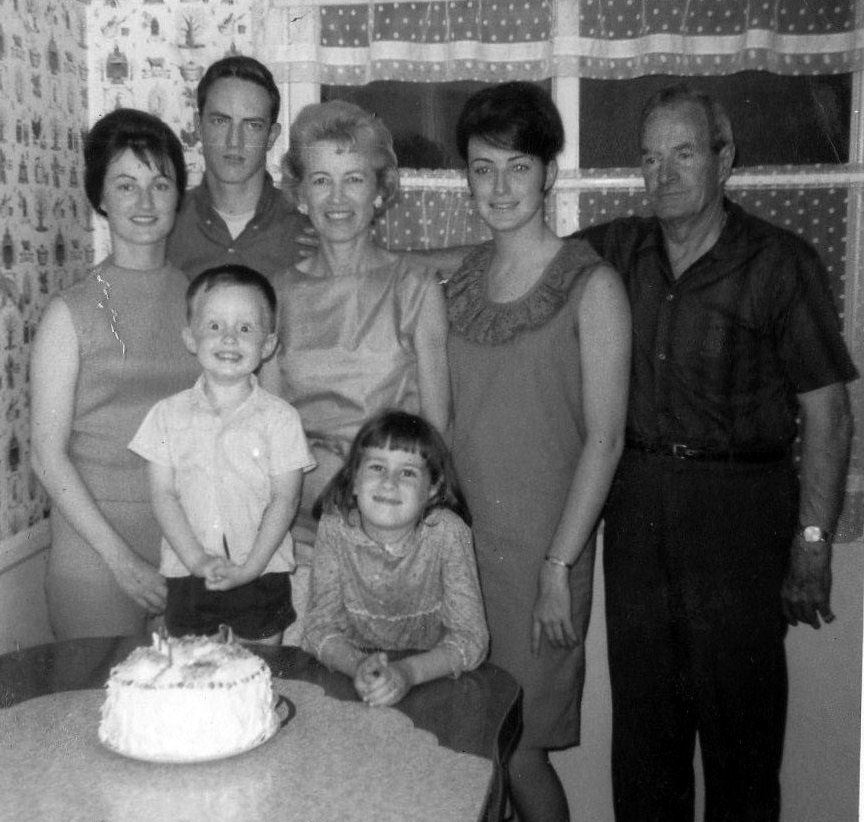
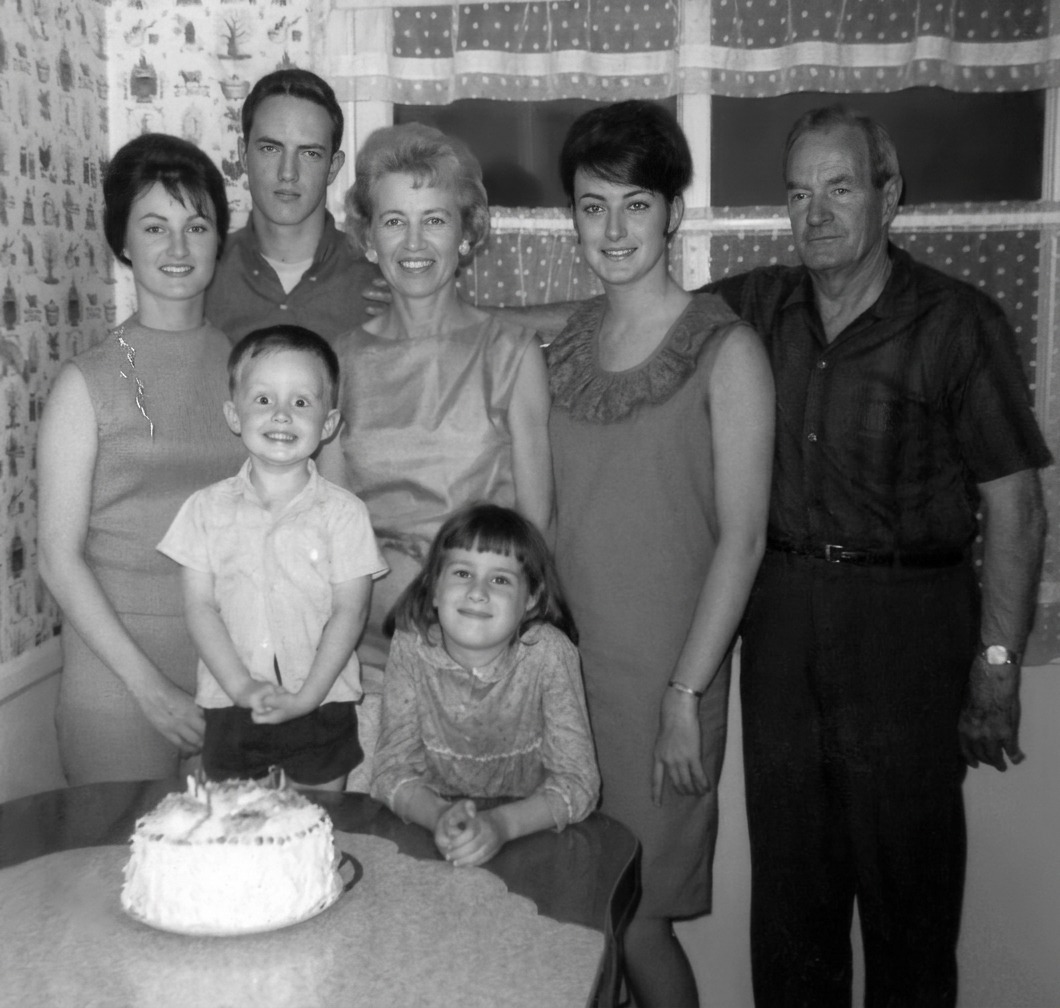
AI can tone down flash hotspots, recover shadow and midtone detail around a blown area, and calm the shine on foreheads, glasses, and glossy prints. Where the flash burned a highlight to pure white, no detail survives there, so that patch is reconstructed rather than recovered. Preview it free and check that faces stay believable.
- 3 free previews a month
- No signup
- Ready in minutes
- One payment — nothing to cancel
How it works
Upload your photo
Drop in a scan or phone photo of the damaged print. Your original is never touched, and there's no signup.
Preview it free
See the restoration beside your photo in about a minute. Drag the slider and judge it for yourself before you spend a cent.
Keep what you love
Pay only for the results worth keeping, then download them in full resolution.
Preview your photo — freeWhat to know before restoring this photograph
Flash glare comes in two kinds, and they are not equally fixable. A bright but not blown highlight — a shiny forehead, a hot cheek, a bloom of light on a glossy print — still holds faint detail underneath, and that can be brought back down into balance. A true hotspot, where the flash burned an area to featureless white, has no detail left to recover.
Knowing which you have changes what to expect. Most on-camera flash from disposable and point-and-shoot cameras produces the first kind: a face lit too hot on the side nearest the camera, with the tone recoverable rather than destroyed. The blown, papery-white specular spots — on eyeglasses, jewellery, a sweaty brow — are the second kind, and those are reconstructed guesses.
Scan the print at 600 dpi, and if the glare is a reflection off the print's own glossy surface rather than the original flash, try re-scanning with the lid slightly raised or the print turned. Some of what looks like flash glare is really the scanner lighting bouncing off the emulsion, and a better capture removes it before any editing.
The AI then pulls the hot highlights back toward the surrounding tone, rebuilds the contrast and midtone detail near the blown area, and evens the overall lighting so the face reads naturally instead of spotlit.
The honest boundary is the pure-white core of a hotspot. If the flash erased the texture of skin or the detail of an eye behind a glare on glasses, what returns there is a plausible reconstruction, not the original — so inspect those exact spots and treat a rebuilt eye or brow as an interpretation, not a fact.
Faces decide the result. Reducing glare can flatten the very highlights that give a face its form, leaving it soft and mask-like if pushed too far. Keep a little natural shine, compare against any evenly lit frame of the same person, and prefer the version that still looks lit by a real flash over one scrubbed unnaturally flat.
Reflections off glasses are the hardest case and worth calling out. If both lenses are fully blown, the eyes behind them are gone, and any eyes the software draws are invented. When a photo matters, look for another frame where the glare missed, rather than trusting a reconstructed gaze.
Keep the original scan beside the corrected version and label which is which. The glare is part of how the photograph was taken; the corrected file is the version made for looking at.
The free preview shows how much of the glare comes down and how much detail genuinely returns before any decision is needed. If the calmer version still reads as the same photograph, export the results you want, and that is the whole of the cost.
Questions about flash glare and hotspots
Can you remove flash glare from a face or from eyeglasses?
Partly, depending on how hard the flash hit. A bright-but-not-blown hotspot on a forehead or cheek still holds faint detail that AI can bring back into balance. A patch burned to pure white — including a fully blown reflection on eyeglasses — has no detail left, so anything that appears there, including the eyes behind glare, is a reconstruction rather than the real original.
Is the glare from the original flash or from my scanner?
It can be either, and it's worth checking before editing. If the shine moves when you re-scan with the print turned or the lid slightly raised, it's the scanner light reflecting off the glossy emulsion, and a better capture removes it for free. Glare that stays put in every scan is baked into the original exposure and is the kind the restoration addresses.
How much does a restoration cost?
The preview is free. Full-resolution downloads are $7.99 per photo, and the rate drops the more you restore — down to $4.49 each on the largest batches. Each photo includes up to three restoration attempts, and downloads stay available for 30 days.
Can I print the corrected version?
Yes, if the file has enough pixels for the intended size. Inspect the previously blown areas and faces closely before printing, and keep the higher-resolution master separate from the print export.
See what your photo can become
Upload it, preview the restoration free, and keep only the result that feels right.
Preview your photo — free- 3 free previews a month
- No signup
- Ready in minutes
- One payment — nothing to cancel