Restore / disposable camera photo
Restore Disposable-Camera Photos Online
AI can balance a flash-lit face against a dim room, reduce noise, and correct an aging color cast while keeping the candid atmosphere. Motion blur and missed focus cannot be reversed exactly. Avoid smoothing away the period grain or changing expressions in a memory people recognize. Keep the untouched scan beside the result.
- 3 free previews a month
- No signup
- Ready in minutes
- One payment — nothing to cancel
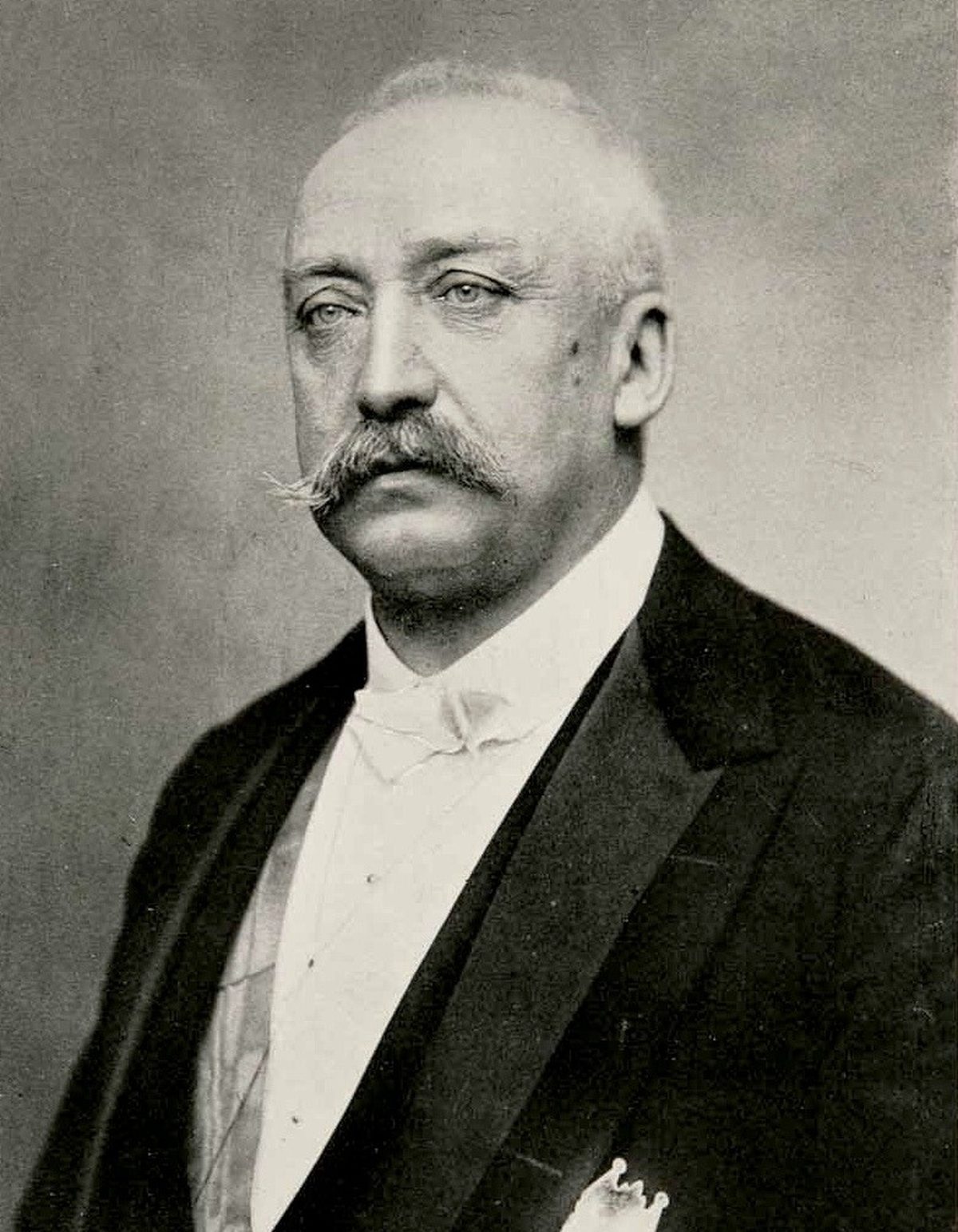
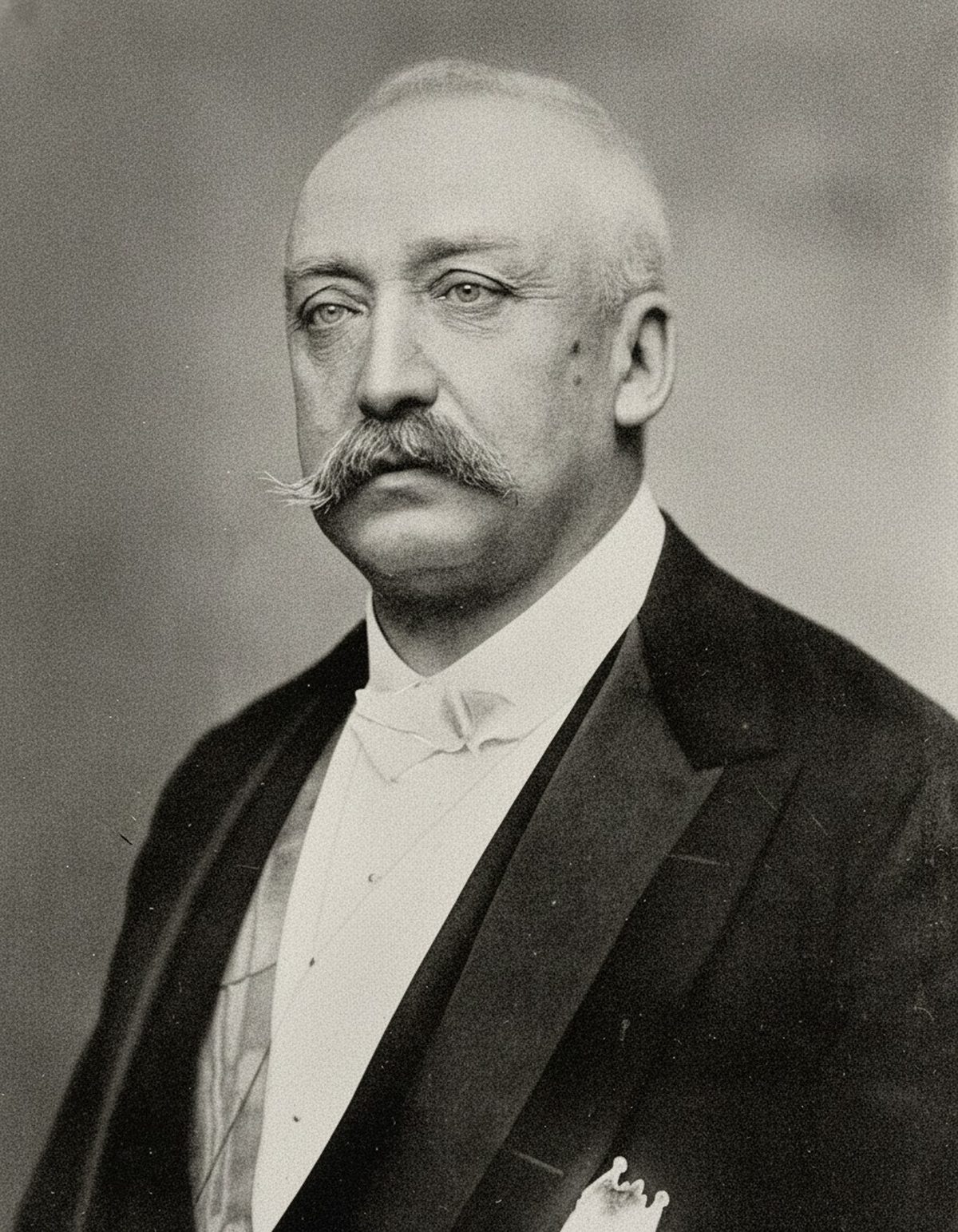
How it works
Upload your photo
Drop in a scan or phone photo of the damaged print. Your original is never touched, and there's no signup.
Preview it free
See the restoration beside your photo in about a minute. Drag the slider and judge it for yourself before you spend a cent.
Keep what you love
Pay only for the results worth keeping, then download them in full resolution.
Preview your photo — freeWhat to know before restoring this photograph
A disposable-camera photo is the product of the least ambitious optical system ever sold in bulk: a fixed-focus plastic lens, one shutter speed, and a small direct flash, the whole camera surrendered to the lab and its roll machine-printed onto ordinary chromogenic snapshot paper. Its flaws are not damage — they are the format working exactly as designed.
That design produces a recognizable signature: a flash-bright foreground falling off into a dark room, red-eye, soft corners, and grain that gets coarser the dimmer the scene was. On top of that, the machine-made chromogenic print itself drifts with age, usually toward a single warm or magenta-leaning cast.
Before scanning the print, check the lab envelope. Many still hold the negative strips, and a transmitted-light scan of the negative will outperform any scan of the small glossy print made from it. Whichever survives, capture it at 600 dpi and keep the envelope's lab markings in a reference shot.
AI is well suited to this format's problems: it can balance the flash hotspot against the dim background, neutralize the age cast, tame red-eye, and quiet noise enough that faces at the table read clearly again.
What it cannot do is re-take the picture. Motion blur and missed focus were burned into the exposure the moment the shutter fired; edges can be tidied, but a soft moment stays a soft moment, honestly presented.
The thing to guard against here is over-cleaning. Strip out all the grain and glare and the image stops looking like the party, the beach trip, or the dorm room it records; a plasticky-smooth version of a candid memory reads as false to everyone who was there.
Expressions deserve the same restraint. These are photos people remember being in — leave mouths, eyes, and posture exactly as the camera caught them, mid-laugh or mid-blink.
Keep the set together when you archive: raw scans, restored copies, and the envelope's date or lab stamp, which is often the only written clue to when the roll was shot. The frames were exposed in sequence, so preserving their order keeps the evening's own chronology intact.
Try the free preview on the best-loved frame from the roll first. If the balanced, cleaned version keeps the night's atmosphere intact, pay to keep it — and let the rest of the roll follow the same recipe.
Questions about disposable-camera photographs
Can AI fix a grainy, flash-lit disposable-camera photo?
Yes — these are its natural territory. AI can balance a bright flash-lit face against a dark room, cut noise, and correct the aging minilab color cast while keeping the candid, snapshot feel. It can’t undo everything, though: motion blur and plain missed focus from a fixed plastic lens are baked in, so those won’t sharpen into detail that was never recorded.
Can it fix red eyes and dark corners from the flash?
Red eyes and heavy vignetting respond well — AI can neutralize the red and lift the shadowed corners so faces read clearly. The goal is a cleaner version of the same moment, not a restaged one, so it leaves period grain and real expressions alone. Start from the original print or a rescanned 35mm negative rather than a compressed social-media copy for the best result.
How much does a restoration cost?
The preview is free. Full-resolution downloads are $7.99 per photo, and the rate drops the more you restore — down to $4.49 each on the largest batches. Each photo includes up to three restoration attempts, and downloads stay available for 30 days.
Do I keep the untouched original?
Always. Nothing overwrites your source — the result is a fresh copy you can accept or discard. Store the original scan apart from the restored version and record which areas were reconstructed.
Can I print the restored version?
Yes, if the file has enough pixels for the intended size. Inspect faces and fine details before printing, and keep the higher-resolution master separate from the print export.
See what your photo can become
Upload it, preview the restoration free, and keep only the result that feels right.
Preview your photo — free- 3 free previews a month
- No signup
- Ready in minutes
- One payment — nothing to cancel