Restore / blurry photo
Unblur an Old Photo Online with AI
The editor can clarify plausible boundaries, reduce mild motion softness, and rebalance local contrast around eyes, hair, and clothing. Severe defocus never recorded precise features. Sharpened faces are inferred rather than discovered, so identity-critical details deserve close review. Keep the untouched scan beside the result.
- 3 free previews a month
- No signup
- Ready in minutes
- One payment — nothing to cancel
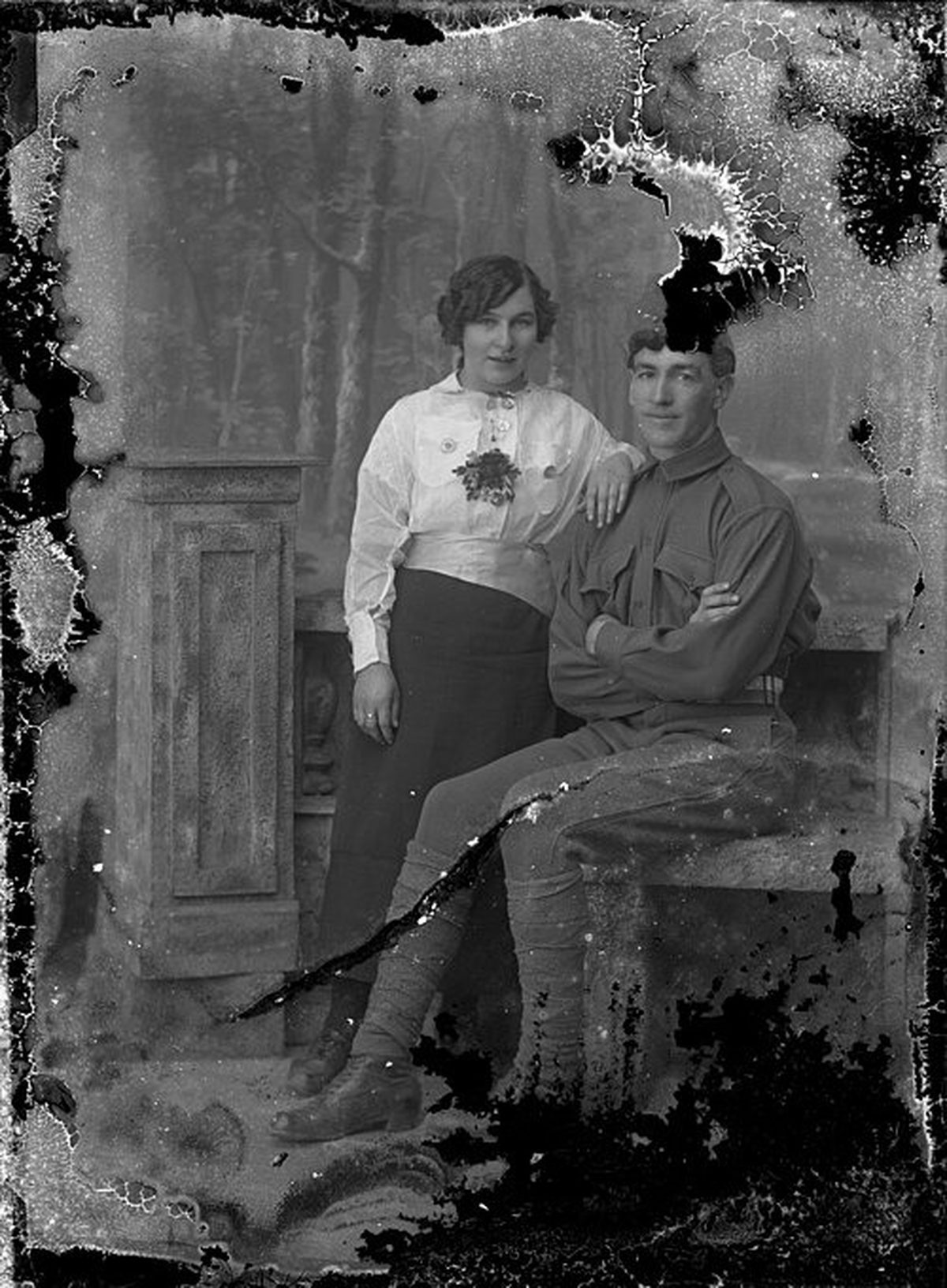
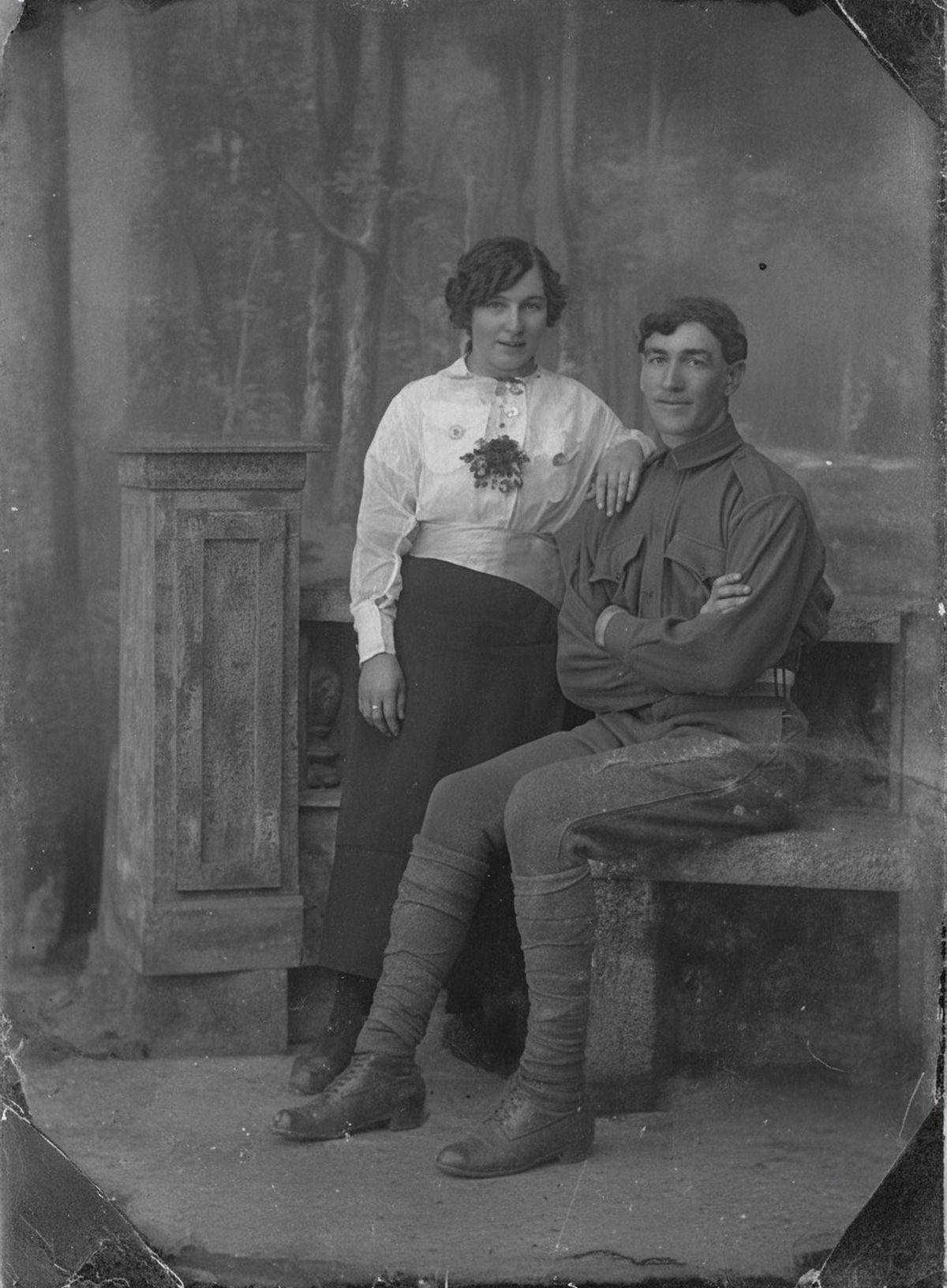
How it works
Upload your photo
Drop in a scan or phone photo of the damaged print. Your original is never touched, and there's no signup.
Preview it free
See the restoration beside your photo in about a minute. Drag the slider and judge it for yourself before you spend a cent.
Keep what you love
Pay only for the results worth keeping, then download them in full resolution.
Preview your photo — freeWhat to know before restoring this photograph
Blur has more than one cause, and each looks different up close. A missed focus plane turns every point of light into a soft disc, so edges dissolve evenly in all directions. Camera shake smears the scene along one line, leaving doubled lamppost edges and ghosted outlines. Enlargement softness adds a third layer when a small negative was printed big. Naming which one you have tells you what a repair can honestly do.
The distinction matters because defocus never recorded fine detail in the first place. The lens spread the light before it reached the film, so eyelashes and lettering were soft at the instant of exposure. No amount of processing can search the paper for information that was never written into it.
Motion blur is slightly kinder. The detail was captured, then dragged across neighboring positions as the camera moved, so a faint true edge often survives inside the smear. That trace gives the AI something real to firm up, which is why mild shake usually recovers more convincingly than a face the lens focused behind.
Scan the print itself rather than photographing it on a table, and use 600 dpi for small snapshots. Turn the scanner's built-in sharpening off before capture: it paints bright halos along every edge, and those halos get mistaken for genuine detail by each later step.
From a clean capture, the editor can clarify plausible boundaries, ease mild motion softness, and rebuild local contrast around eyes, hair, and clothing. Ask for a restrained pass before an ambitious one; a lightly firmed face is easier to trust than a dramatically rebuilt one.
Be honest with yourself about severe defocus. A face lifted out of deep blur is inferred — drawn from what faces generally look like as much as from your relative in particular. It can read beautifully and still drift from the person, so set a sharp photo of them beside it whenever one exists.
The specific check for this damage type is small crisp objects: teeth, earrings, eyeglass frames, badge lettering. Sharpening invents these with total confidence, and generated text or insignia is unreliable until a person verifies it against another source.
When you file the results, keep the soft scan and the clarified version as a pair and note that sharpness was added rather than found. Anyone who studies the picture later can then treat the crisp details as interpretation layered over a genuinely soft record.
The preview costs nothing, so run your blurry scan through before deciding anything. If the clearer draft holds up beside the original — steadier edges, readable expressions, nobody turned into a stranger — export the copies you want and pay for those alone. A moment that had gone soft becomes one you can finally see.
Questions about blurry and out-of-focus photographs
Can AI sharpen a blurry old photo?
AI can firm up soft edges, ease mild motion blur, and lift local contrast around eyes, hair, and clothing so a soft snapshot reads more clearly. Where the lens focused behind your subject, though, the fine features were never recorded, so a sharpened face is a plausible guess rather than a found detail. Compare the preview with your original before trusting any identity-critical detail.
Will the faces still look like the real people after sharpening?
Mostly, when the blur is mild and the underlying shapes survived. Heavy defocus gives AI little to work from, so it may smooth a face into something generic or slightly off. Keep the change modest, view it next to the original, and set a nearby in-focus photo of the same person beside it as a check.
How much does a restoration cost?
The preview is free. Full-resolution downloads are $7.99 per photo, and the rate drops the more you restore — down to $4.49 each on the largest batches. Each photo includes up to three restoration attempts, and downloads stay available for 30 days.
What happens to the photo I upload?
It becomes the reference for a new restored copy and is left unchanged. Your job is to keep that original scan safe and labeled so you can always see what was real versus what the AI rebuilt.
See what your photo can become
Upload it, preview the restoration free, and keep only the result that feels right.
Preview your photo — free- 3 free previews a month
- No signup
- Ready in minutes
- One payment — nothing to cancel