Guide / what photo damage can ai fix
What Photo Damage Can AI Fix?
Digital restoration changes a copy, not the paper, film, or plate. Active mold, stuck surfaces, flaking emulsion, and fire damage need safe handling first. Judge a result by recognizability and honest use. Preserve the original scan and disclose AI-drafted reconstruction whenever material detail was invented. Keep the untouched scan beside the result.
- 3 free previews a month
- No signup
- Ready in minutes
- One payment — nothing to cancel
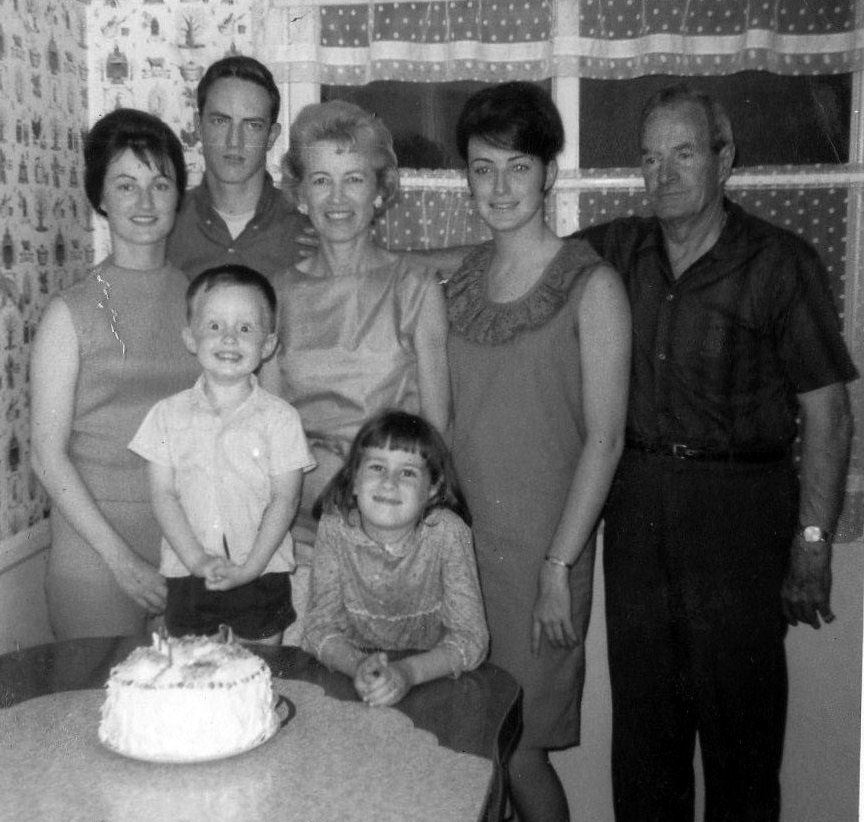
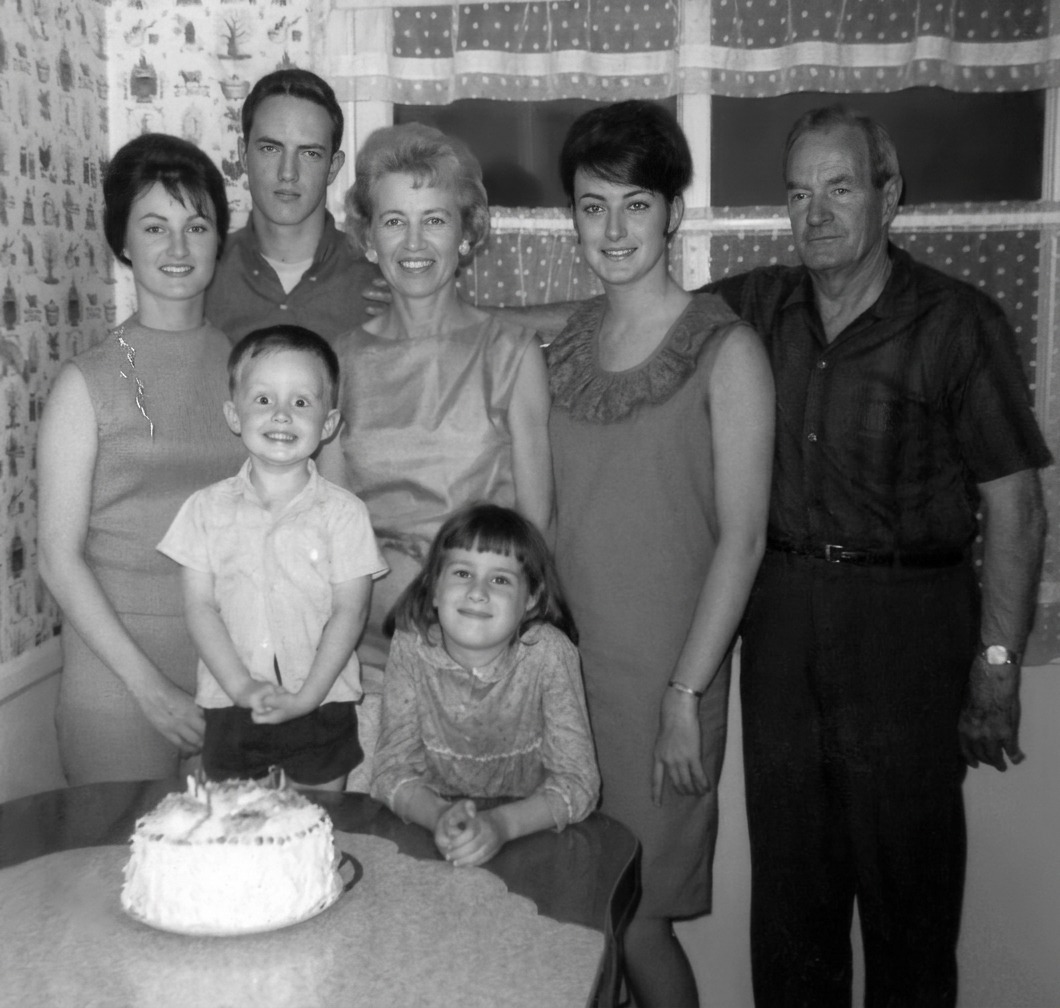
How it works
Upload your photo
Drop in a scan or phone photo of the damaged print. Your original is never touched, and there's no signup.
Preview it free
See the restoration beside your photo in about a minute. Drag the slider and judge it for yourself before you spend a cent.
Keep what you love
Pay only for the results worth keeping, then download them in full resolution.
Preview your photo — freeA practical, reversible workflow
Before making a cleaner version, identify what the source actually contains. Typical photo damage AI can fix show AI often handles narrow scratches, dust, moderate fading, color casts, grain, and small creases because surrounding pixels provide strong repair clues. That distinction helps preserve character while targeting damage that blocks the story.
Blur, missing pieces, opaque stains, and destroyed faces are harder: the system creates plausible content where reliable visual evidence is absent. Use this background to decide which imperfections are damage and which are authentic characteristics worth retaining.
A higher-quality scan improves every category. It separates real grain from scanner noise and supplies enough nearby texture for a less obvious patch. Work from this capture rather than repeatedly rescanning or resaving a compressed file.
Digital restoration changes a copy, not the paper, film, or plate. Active mold, stuck surfaces, flaking emulsion, and fire damage need safe handling first. Review the result both close up and at the size you expect to print, because defects have a different impact at each scale.
On the damage it handles well, AI can leave a photo genuinely recognizable — the scene reads clearly and the repairs sit naturally in the surrounding grain. Save a less aggressive alternate when family recognition or historical interpretation is important.
Choose a first test image that represents the real difficulty in the group, not merely the cleanest print. With photo damage AI can fix, that trial reveals whether the capture holds enough information and whether the proposed texture feels consistent. Apply what you learn selectively; related photographs can still need different judgment.
Return the physical source for photo damage AI can fix to stable storage only after checking that every capture opens correctly. Avoid attics, basements, direct sun, rubber bands, and pressure-sensitive tape. Digital repair creates access, but sensible temperature, humidity, and handling protect the evidence that future versions may need.
A useful handoff for photo damage AI can fix names the visible starting condition—AI often handles narrow scratches, dust, moderate fading, color casts, grain, and small creases because surrounding pixels provide strong repair clues. Save the raw capture, restored master, practical sharing copy, and identification notes together. That package lets another relative distinguish surviving evidence from the choices made in this version.
See it for yourself with the free preview. Upload a scan and AI will take a pass at the damage it handles well — scratches, dust, fading, color casts, light creases — and show you in seconds how much comes back. Keep the copies that are worth it and pay only for those you export. You walk away knowing exactly which flaws AI cleared and which parts of the picture were always beyond reach.
Questions about photo damage AI can fix
What kinds of photo damage can AI actually fix?
AI is reliable on the everyday stuff — narrow scratches, dust, moderate fading, color casts, grain, and small creases — because the pixels around the damage give it strong clues to work from. It struggles where evidence is truly gone: heavy blur, missing chunks, opaque stains, and destroyed faces get filled with plausible content rather than recovered detail. The safest test is the free preview, judged against your original scan.
When should I take a photo to a conservator instead of scanning it?
Before you scan, if the original is physically at risk — active mold, surfaces stuck together, flaking emulsion, or fire damage. Digital tools only ever change a copy, so a fragile original needs safe physical handling first, or you can lose it for good. Once it's stable and scanned, AI can take over the cosmetic repair.
How much does a restoration cost?
The preview is free. Full-resolution downloads are $7.99 per photo, and the rate drops the more you restore — down to $4.49 each on the largest batches. Each photo includes up to three restoration attempts, and downloads stay available for 30 days.
Does the AI overwrite my photo?
No — it produces a separate restored image and never edits your upload. Keep the unedited scan filed on its own and give the restoration a new name so the two never get confused.
Can I print the restored version?
Yes, if the file has enough pixels for the intended size. Inspect faces and fine details before printing, and keep the higher-resolution master separate from the print export.
See what your photo can become
Upload it, preview the restoration free, and keep only the result that feels right.
Preview your photo — free- 3 free previews a month
- No signup
- Ready in minutes
- One payment — nothing to cancel