Restore / ambrotype
Restore a Scanned Ambrotype Photo
AI can reduce flaking, cracks, and surface marks and balance the dim tone of an image scanned from an ambrotype. Areas where the emulsion has lifted from the glass hold no image and are reconstructed. Have cased, fragile originals handled and captured carefully first. Keep the untouched scan beside the result.
- 3 free previews a month
- No signup
- Ready in minutes
- One payment — nothing to cancel
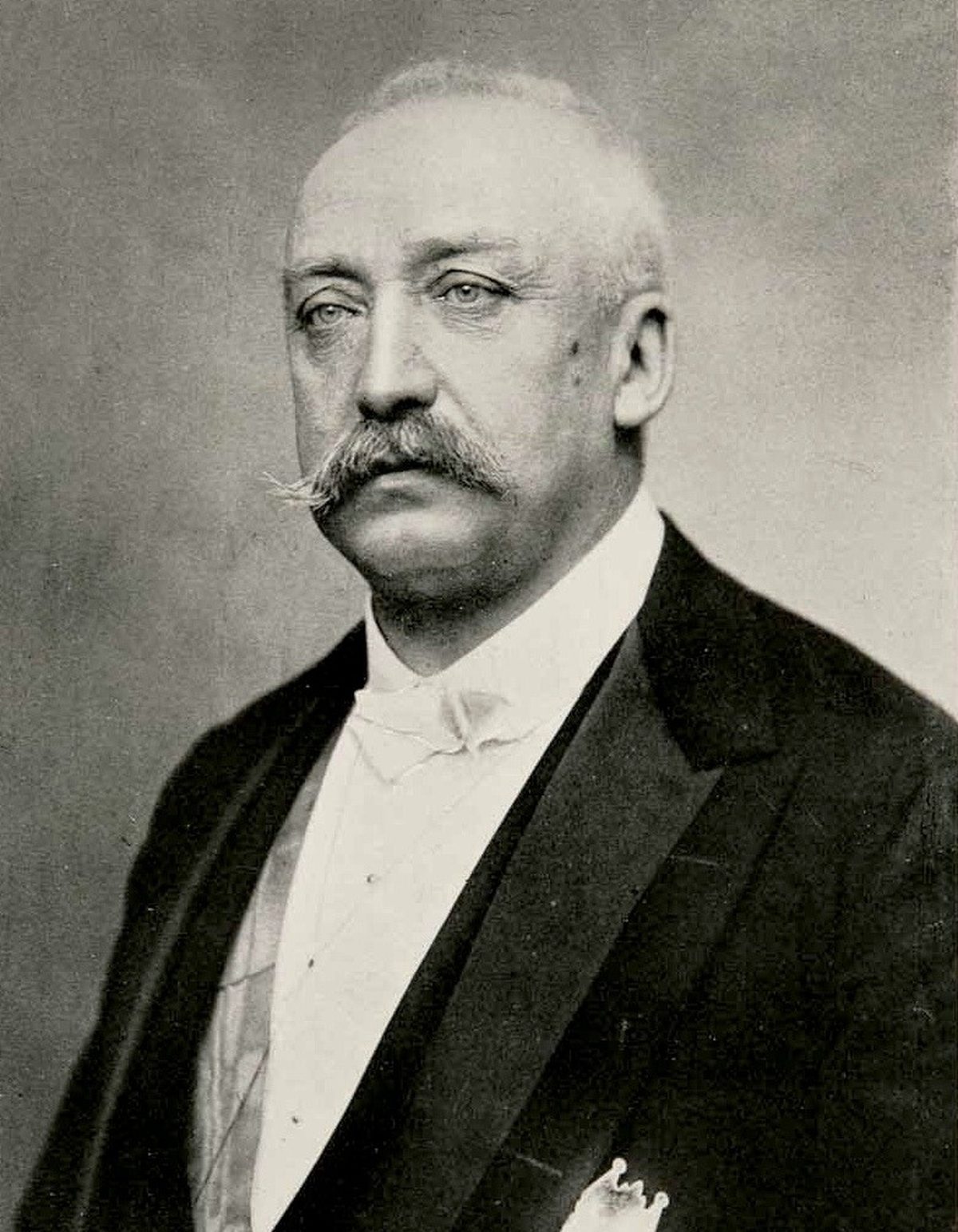
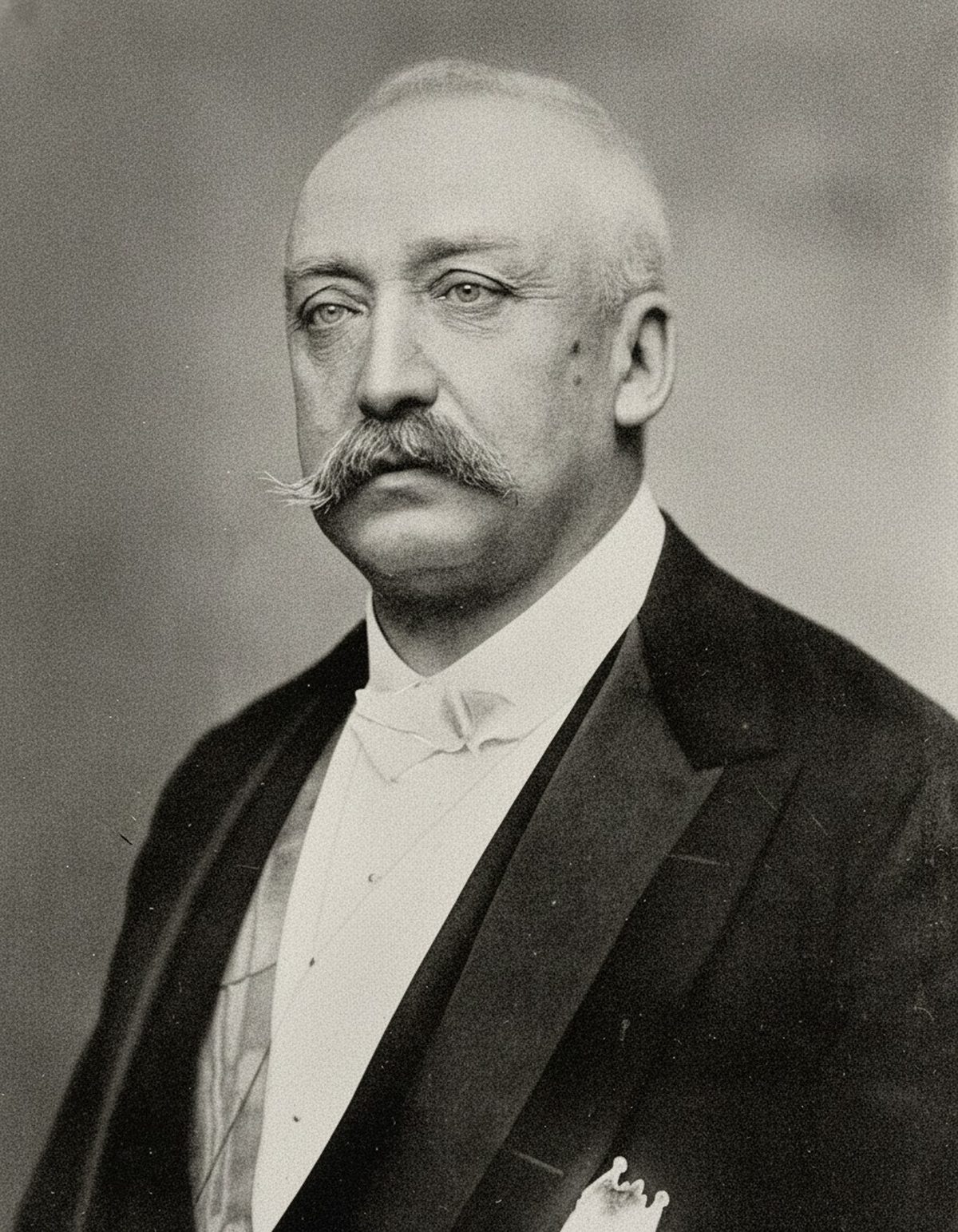
How it works
Upload your photo
Drop in a scan or phone photo of the damaged print. Your original is never touched, and there's no signup.
Preview it free
See the restoration beside your photo in about a minute. Drag the slider and judge it for yourself before you spend a cent.
Keep what you love
Pay only for the results worth keeping, then download them in full resolution.
Preview your photo — freeWhat to know before restoring this photograph
An ambrotype is a wet-collodion negative on glass that reads as a positive only because something dark sits behind it — black varnish, dark cloth, or a second sheet of glass. That backing trick is the format's genius and its weakness, because the image layer and its dark backing age separately.
When the varnish flakes off the back, the picture appears to have holes in it even though the collodion image above may be intact. True collodion loss looks different: the image layer itself crazes, lifts, and carries pale flakes away with it. Telling the two apart matters before anyone talks about repair.
Most ambrotypes live in hinged cases behind a brass mat and cover glass, and that package should stay sealed. Photograph through the cover glass with soft, angled light, shifting position until reflections move off the face, and take several frames rather than hunting for one perfect capture.
From the best capture, AI can brighten the characteristically dim tone, calm the speckle left by flaked backing, reduce cracks and surface marks, and give the sitter the presence that the format's low contrast withholds — all without the original ever leaving its case.
Where the collodion itself is gone there is nothing left to read, so a rebuilt cheek or collar in that area is an interpretation, drafted to look plausible rather than recovered. Weigh such passages skeptically, especially when they cross a face you are trying to identify.
If backing loss is severe, know that a conservator can sometimes rehouse the plate against fresh dark backing and recover much of its legibility physically. That option survives only if nobody has cleaned, dismantled, or reglued the package in the meantime — another reason to leave it closed.
Let the person outrank the flaws. An ambrotype's soft grey palette, and hand-tinted cheeks where a colorist added them, are period character rather than defects; a restoration that keeps them reads as the same object made clearer, not a modern portrait in costume.
Keep the case in the record. Photograph the mat, the frame, the velvet lining, and any note tucked behind the plate. Ambrotypes are usually unlabeled, and the case is often the only physical context a descendant will ever have for who the sitter might be.
Upload your best through-the-glass capture and preview the restoration for free. If the clarified portrait earns its place in the family record, keep it and pay for that download; if not, nothing was risked and the sealed original sits exactly as it was found.
Questions about ambrotype photographs
Can a fragile ambrotype be restored?
Yes, once it has been safely captured. From that scan, AI can reduce flaking, cracks, and surface marks and lift the characteristically dark tone so the face reads more clearly. Where the emulsion has lifted from the glass, no image remains there, so those areas are reconstructed plausibly rather than recovered.
Should I take the ambrotype out of its case to scan it?
It’s safer not to force it. Ambrotypes are fragile, and the case and backing are part of the object, so have it captured carefully without prying it apart. Once you have a good digital file, all the restoration happens on that copy and the original glass is never stressed further.
How much does a restoration cost?
The preview is free. Full-resolution downloads are $7.99 per photo, and the rate drops the more you restore — down to $4.49 each on the largest batches. Each photo includes up to three restoration attempts, and downloads stay available for 30 days.
What happens to the photo I upload?
It becomes the reference for a new restored copy and is left unchanged. Your job is to keep that original scan safe and labeled so you can always see what was real versus what the AI rebuilt.
See what your photo can become
Upload it, preview the restoration free, and keep only the result that feels right.
Preview your photo — free- 3 free previews a month
- No signup
- Ready in minutes
- One payment — nothing to cancel