Restore / daguerreotype
Restore a Daguerreotype Image Digitally
AI can improve legibility, balance uneven tone, and reduce visual distractions in the capture while leaving the sealed artifact untouched. Tarnish and reflections can resemble image detail. Any reconstruction should be labeled, and physical conservation belongs with a qualified specialist. Keep the untouched scan beside the result.
- 3 free previews a month
- No signup
- Ready in minutes
- One payment — nothing to cancel
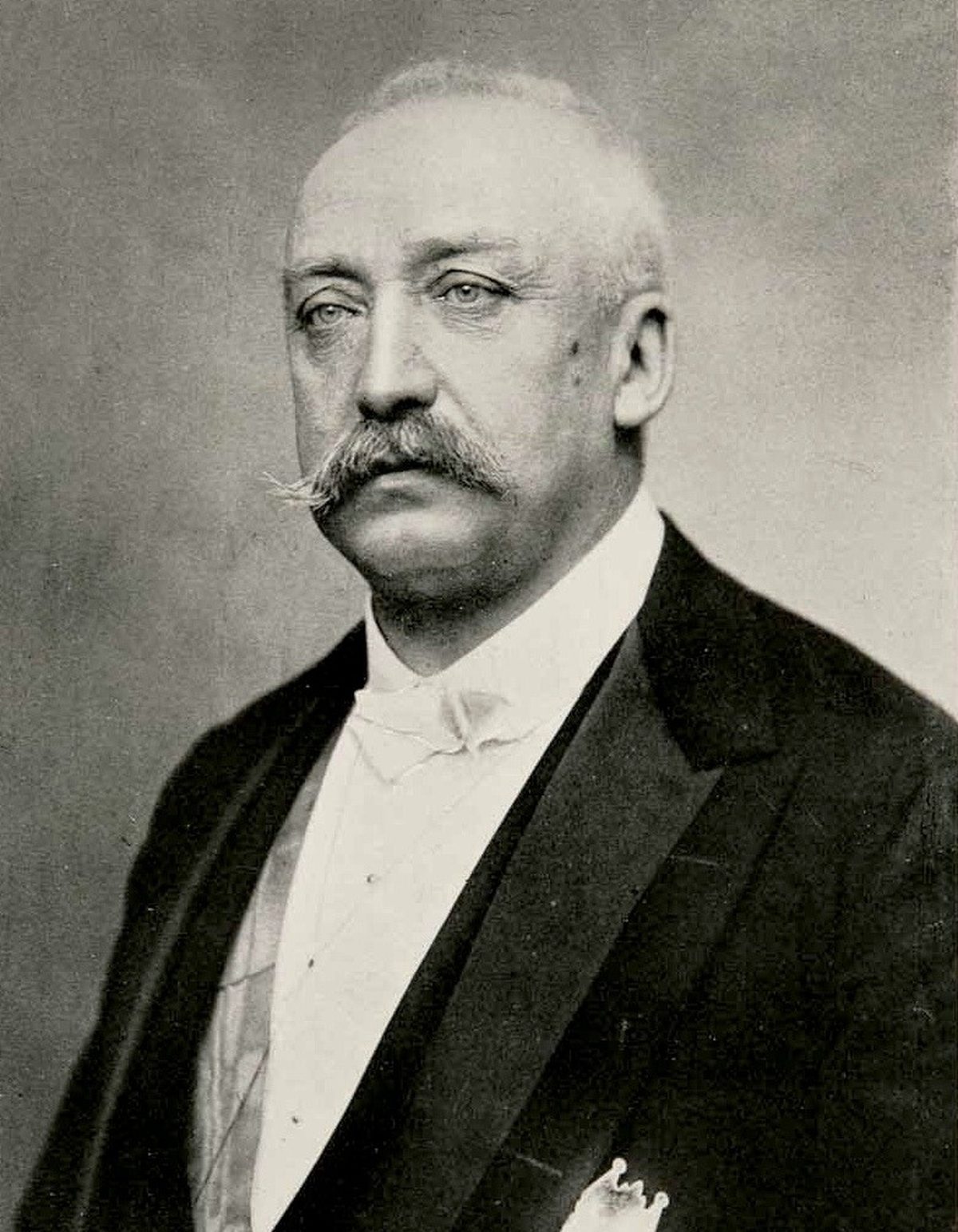
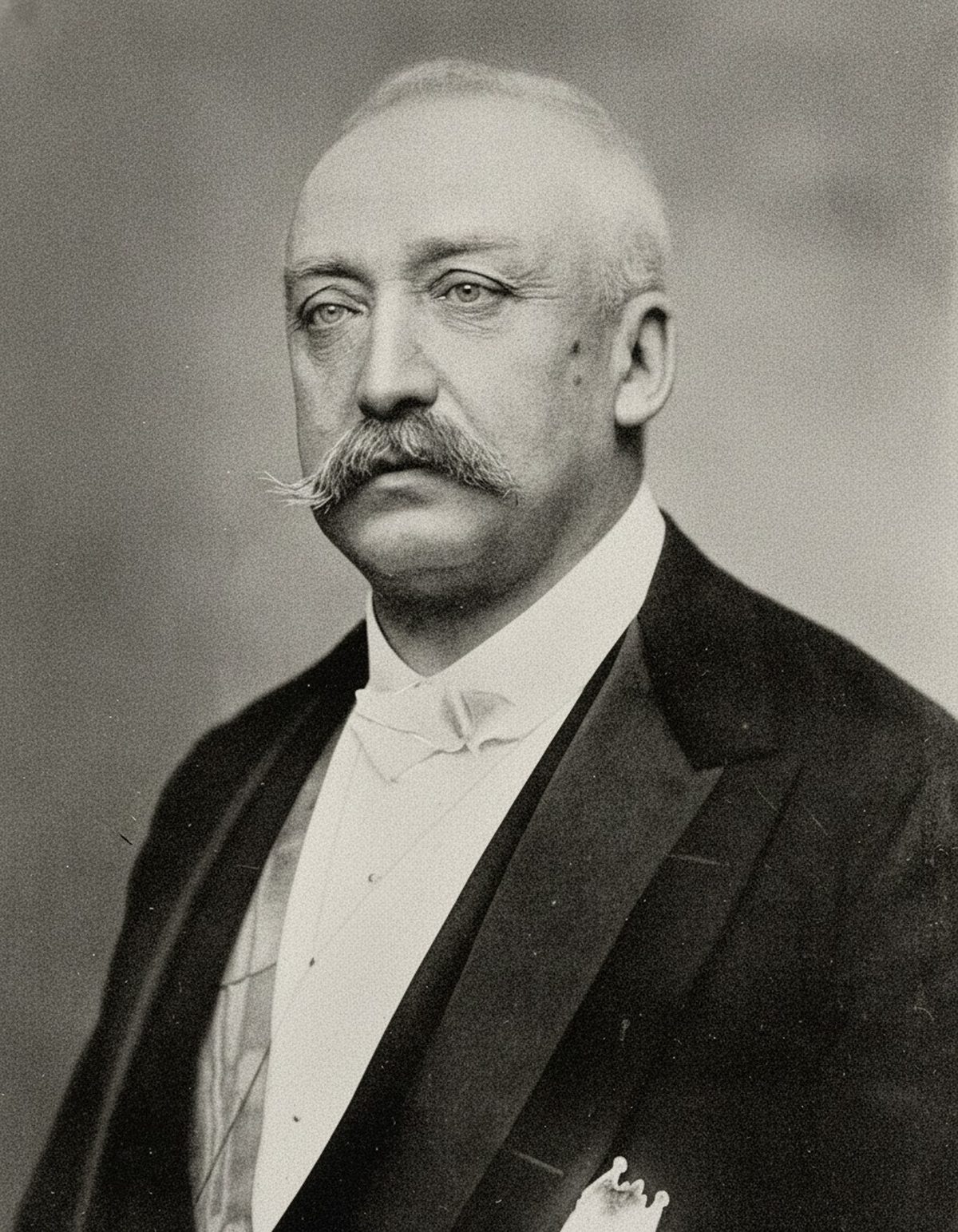
How it works
Upload your photo
Drop in a scan or phone photo of the damaged print. Your original is never touched, and there's no signup.
Preview it free
See the restoration beside your photo in about a minute. Drag the slider and judge it for yourself before you spend a cent.
Keep what you love
Pay only for the results worth keeping, then download them in full resolution.
Preview your photo — freeWhat to know before restoring this photograph
Nothing else in photography behaves like a daguerreotype. The image is a frost of silver-mercury particles resting on a mirror-polished, silver-plated sheet of copper, and it reads as positive or negative depending on viewing angle — tilt the plate until the mirror reflects something dark and the ghost resolves into a person.
Age shows up in specific ways: tarnish creeps inward from the edge of the brass mat in halo rings, the cover glass can degrade and shed a haze onto the package's interior, and mold or debris may wander between glass and plate. The image particles themselves are so delicate that a single wipe removes them forever.
For that reason the sealed case is never opened — not even to dust the glass. Photograph through the cover glass instead: soft light raking from an angle, a dark cloth or your own dark clothing positioned so the mirror surface reflects black, and many exposures at slightly different angles.
Choose the frame where the face is clearest and work from that. AI can even out the plate's uneven tone, subdue the tarnish halos and reflections that compete with the sitter, and lift a legible, shareable portrait from a capture most people would call unreadable.
Be honest about the frontier: tarnish and image can occupy the same square millimetre, and where they overlap no software can say with certainty which silver is corrosion and which is a cheekbone. Treat repairs in tarnished zones as labeled interpretation, exactly as the plate deserves.
Physical conservation — resealing, glass replacement, tarnish treatment — belongs with a specialist conservator. The digital route exists precisely so the artifact can stay sealed while a clear copy circulates in the family.
One quirk worth deciding about: most daguerreotypes are laterally reversed, so wedding rings, hair partings, and buttons sit on the wrong side. Mirroring the restored copy is legitimate, but record that you did it so nobody later mistakes which version is the object.
Photograph the whole ensemble as well — case, velvet pad, mat, and any paper tucked inside. Daguerreotypes rarely carry names, and the case is often the only evidence tying the plate to a family line.
Run the free preview on your best through-the-glass capture; if the recovered face is worth keeping, pay for the download, and store it beside the untouched captures with a note on angle and lighting.
Questions about daguerreotype portraits
How do I restore a daguerreotype without opening its case?
You don't open it — you photograph the plate through its cover glass with soft, angled light, then let AI work on that capture. From there it can even out the mirror-like tone, calm reflections, and make the portrait legible while the sealed artifact stays exactly as it is. The catch is that tarnish and glare can mimic real detail, so any rebuilt area should be labeled and left to compare against the original.
Why does my daguerreotype look like a negative in the photo?
That's normal — a daguerreotype is a mirrored silver plate that flips between positive and negative as the viewing angle changes, which is why capturing it takes patience and several angles. Shoot a few exposures with controlled side lighting and pick the one where the face reads as a clear positive. AI can then balance the tone of that best frame; it works far better than trying to rescue a poorly angled shot.
How much does a restoration cost?
The preview is free. Full-resolution downloads are $7.99 per photo, and the rate drops the more you restore — down to $4.49 each on the largest batches. Each photo includes up to three restoration attempts, and downloads stay available for 30 days.
Is my original scan safe?
Yes. The restoration is a separate file, so your scan stays exactly as it was. Keep the raw scan archived on its own; a fragile, moldy, or flaking print should be handled and captured carefully before you ever upload it.
See what your photo can become
Upload it, preview the restoration free, and keep only the result that feels right.
Preview your photo — free- 3 free previews a month
- No signup
- Ready in minutes
- One payment — nothing to cancel