Restore / framed portrait
Restore an Old Framed Portrait from a Photo
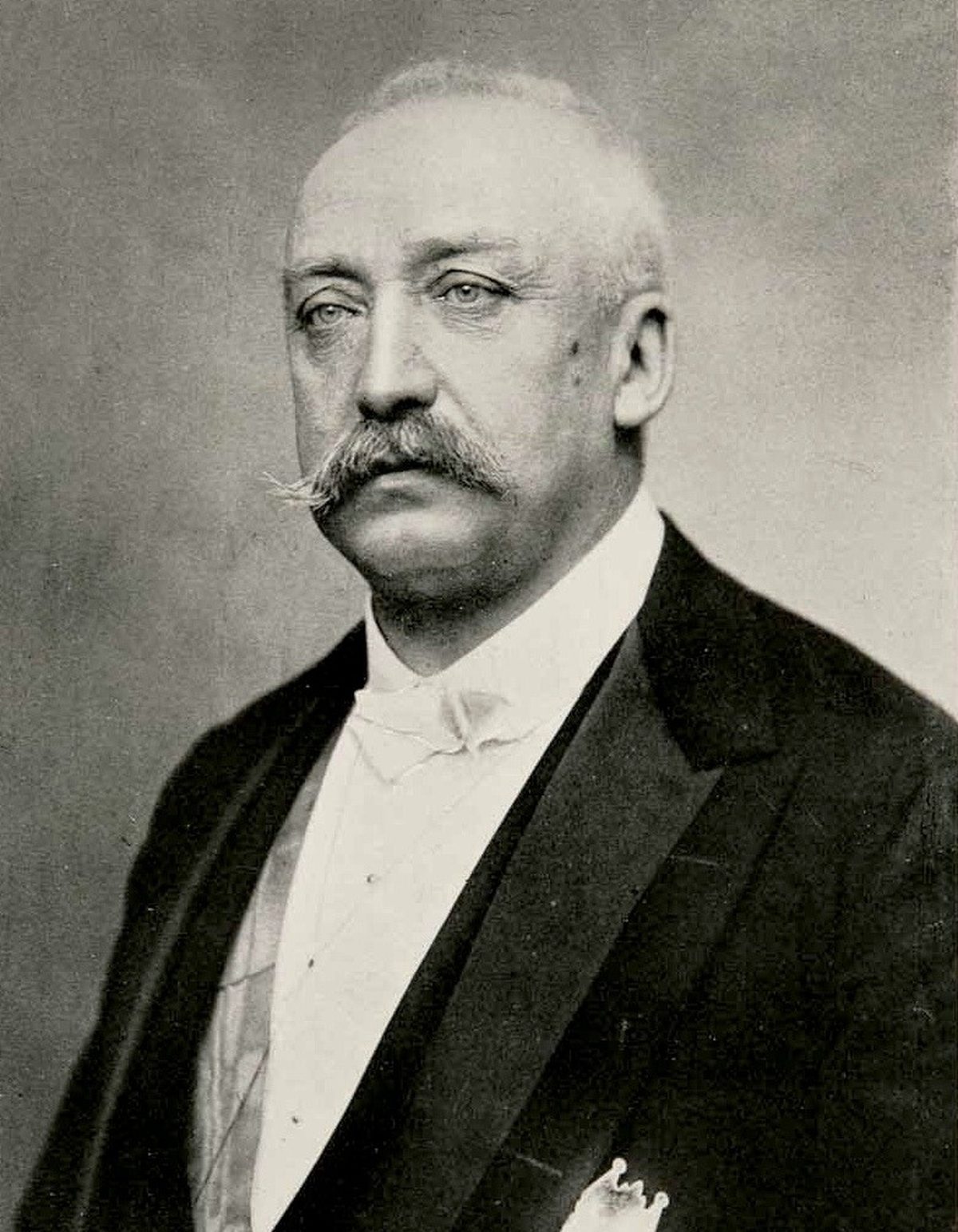
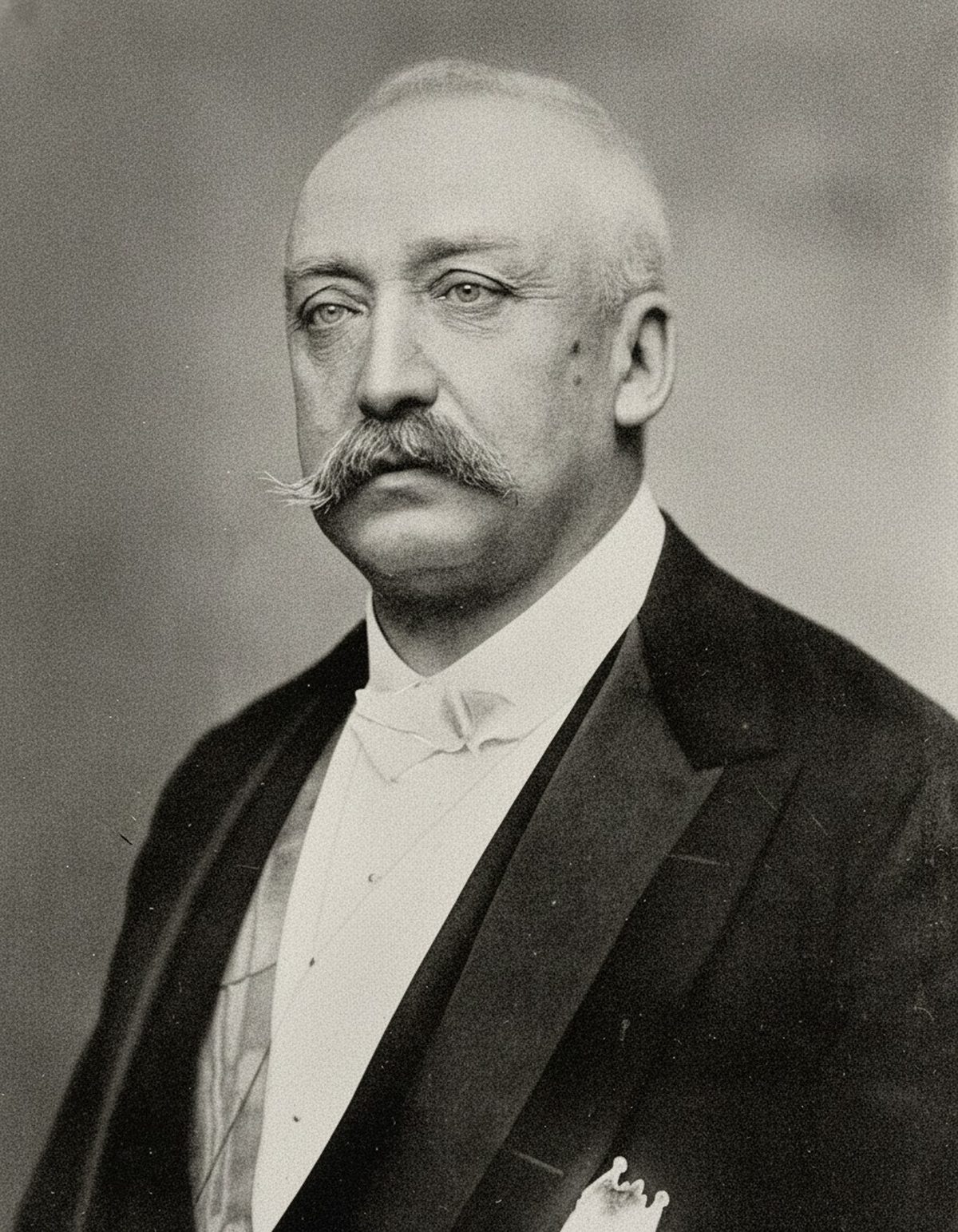
Restoration can reduce residual glare, rebalance display fading, and repair isolated marks once a clean, geometrically straight capture exists. A bright reflection over a face has hidden the source pixels; a second capture angle is more reliable than asking AI to invent the person. Keep the untouched scan beside the result.
- 3 free previews a month
- No signup
- Ready in minutes
- One payment — nothing to cancel
How it works
Upload your photo
Drop in a scan or phone photo of the damaged print. Your original is never touched, and there's no signup.
Preview it free
See the restoration beside your photo in about a minute. Drag the slider and judge it for yourself before you spend a cent.
Keep what you love
Pay only for the results worth keeping, then download them in full resolution.
Preview your photo — freeWhat to know before restoring this photograph
A portrait that has spent decades in its frame carries the marks of display rather than storage: fading where light fell on it every afternoon, a darker band where the mat protected the edges, and glass that may by now be doing more harm than good.
The glass is the first decision. In humid rooms the print's gelatin surface can bond to it, and a stuck print will not release — forcing it tears the emulsion and takes the face with it. If the print does not lift away freely at a corner, stop, and capture it straight through the glass.
Photographing through glass is workable with a little care: a dim room, no flash, all nearby lamps off, the camera set slightly off-axis so reflections slide away from the face, and several frames from marginally different positions. A dark shirt helps, since the photographer's own reflection is usually the stubbornest one. Choose the capture where the eyes are cleanest, then square the perspective digitally.
From a straight, reflection-managed capture, AI can rebalance the years of display fading, reduce the residual glare, and repair isolated marks — foxed spots, small tears at the mat line — while keeping the portrait's studio character.
There is one honest boundary in this workflow: a bright reflection lying across a face has replaced those pixels in the capture. The dependable fix is another capture at a different angle, not asking software to invent the person under the glare.
Look closely at what the portrait actually is before restoring it. Many large framed portraits from earlier generations are crayon enlargements — a faint photographic base heavily hand-finished in charcoal or pastel. Respect that hand-work as part of the object; it is not noise to be scrubbed off.
The frame and backing hold evidence too. Framer's labels, pencilled names, and old newspaper stuffing behind the print can date the piece, so photograph the back before rehanging it.
A sensible archive for a framed portrait has three parts: the through-the-glass captures, the restored image, and the back-of-frame photos, named so they stay together. If the portrait ever does go to a conservator for unframing, that record shows exactly what the piece looked like before anyone intervened.
Preview the restoration free once you have a good capture. If the recovered portrait deserves wall space, pay for the clean HD file and print a fresh copy — and let the original retire somewhere out of the daily sun.
Questions about framed portraits
How do I fix an old framed portrait without taking it out of the frame?
Photograph it through the glass instead of risking disassembly: lights off, two matched lamps at an angle, camera square to the frame. From that capture, AI can cut residual glare, rebalance the areas faded by years on display, and mend isolated marks. A reflection sitting directly over a face is the exception—it hides the pixels, so a second photo from another angle beats asking AI to invent the features.
What if there's glare across the glass?
Reshoot before you edit. Killing room light and angling two soft lamps removes most reflections at the source, which is far more reliable than repairing glare later. A little haze in a plain background is easy for AI to clear; a bright hotspot over someone's eyes or mouth is not, because there's no detail left underneath it to restore.
How much does a restoration cost?
The preview is free. Full-resolution downloads are $7.99 per photo, and the rate drops the more you restore — down to $4.49 each on the largest batches. Each photo includes up to three restoration attempts, and downloads stay available for 30 days.
Does the AI overwrite my photo?
No — it produces a separate restored image and never edits your upload. Keep the unedited scan filed on its own and give the restoration a new name so the two never get confused.
Can I print the restored version?
Yes, if the file has enough pixels for the intended size. Inspect faces and fine details before printing, and keep the higher-resolution master separate from the print export.
See what your photo can become
Upload it, preview the restoration free, and keep only the result that feels right.
Preview your photo — free- 3 free previews a month
- No signup
- Ready in minutes
- One payment — nothing to cancel