Guide / is ai photo restoration worth it
Is AI Photo Restoration Worth It?
For most faded, scratched, torn or slightly blurry family photos, AI restoration is worth it: a few dollars and a couple of minutes buy a clearer, shareable version of a picture you'd otherwise leave in a drawer. It is worth less when a photo is barely damaged, and it cannot recover detail the scan simply no longer holds. Because a free preview shows the result before you pay, you risk nothing finding out.
- 3 free previews a month
- No signup
- Ready in minutes
- One payment — nothing to cancel
How it works
Upload your photo
Drop in a scan or phone photo of the damaged print. Your original is never touched, and there's no signup.
Preview it free
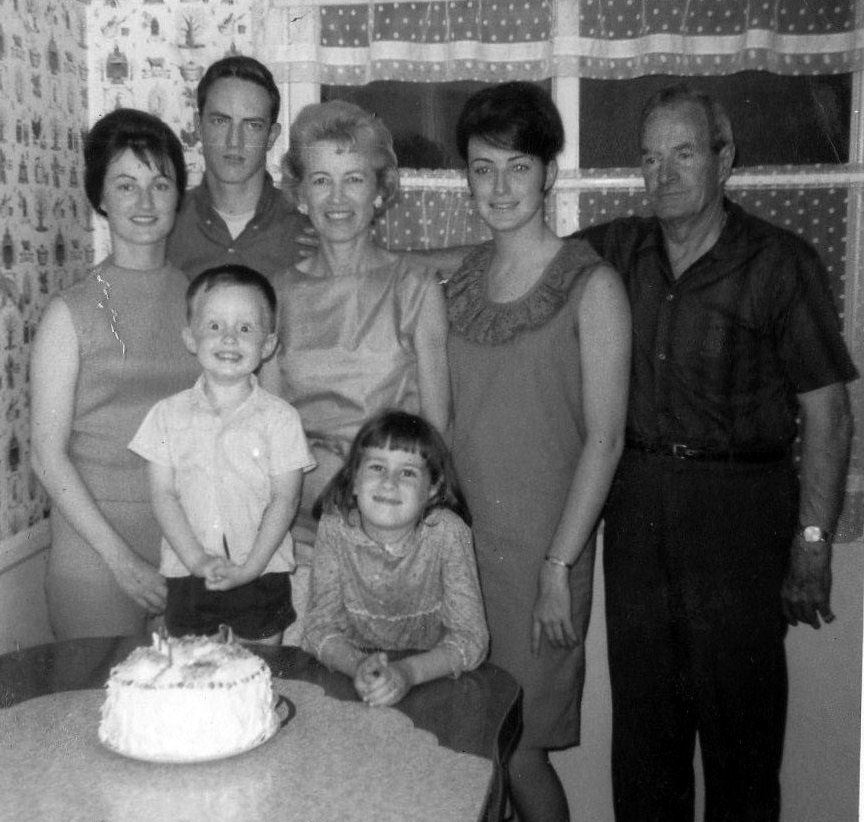
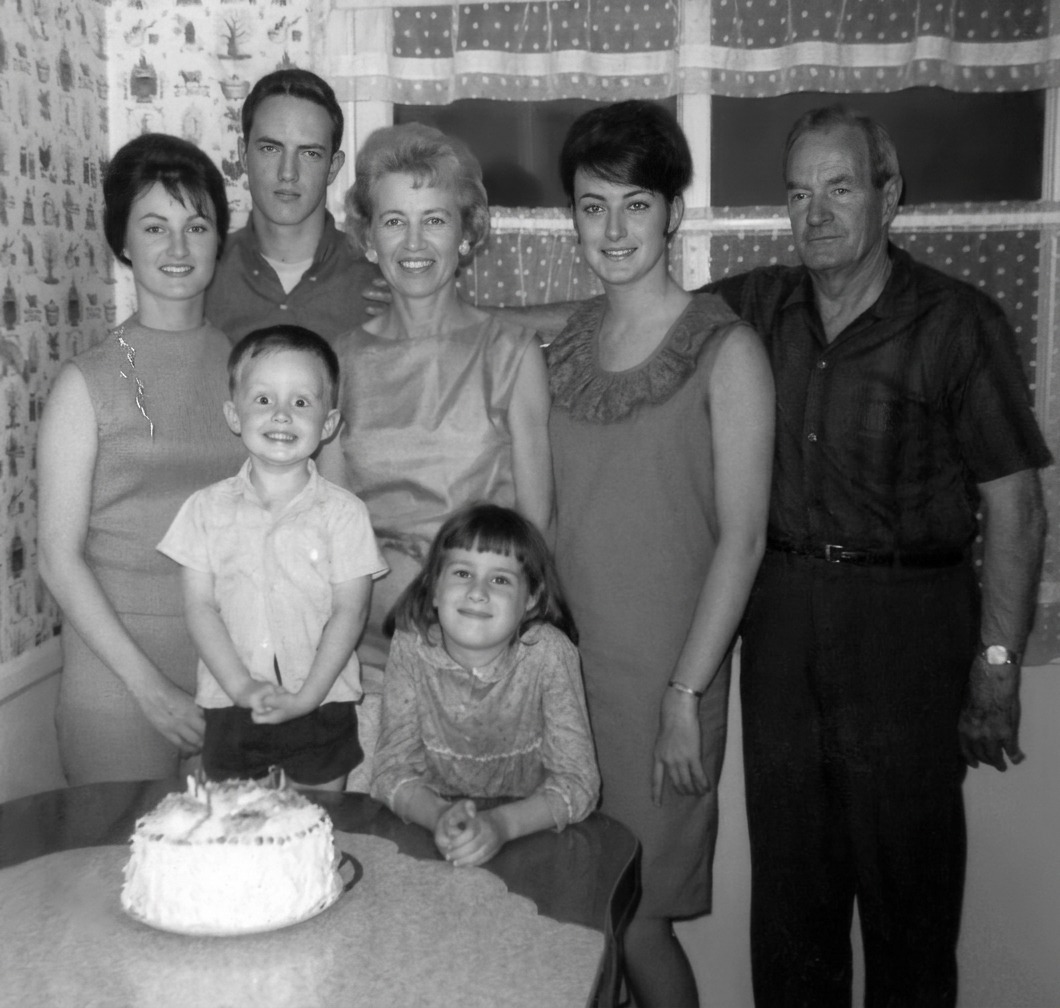
See the restoration beside your photo in about a minute. Drag the slider and judge it for yourself before you spend a cent.
Keep what you love
Pay only for the results worth keeping, then download them in full resolution.
Preview your photo — freeA practical, reversible workflow
The honest answer is: it depends on three things, and you can judge all of them before spending a cent. Those three are how damaged the photo is, how much the picture matters to you, and what the repair costs against the alternatives. AI restoration earns its keep when the damage is real but the underlying image survives, and it disappoints when there was little to fix or when the information is genuinely gone.
Start with the damage. AI is strongest on common, well-understood problems: even fading, surface scratches, dust and speckling, mild blur, colour casts, and tears where the surrounding detail is intact. These are exactly the flaws that make an old print look tired, and clearing them often produces the biggest visible improvement for the least effort. This is where the value is most obvious.
It is weaker, and sometimes not worth it, on two extremes. A photo that is already sharp and clean has little for the tool to improve, so paying to process it adds little. At the other extreme, when a whole face is missing or a print has faded to near-blank, there is no hidden detail to recover; the tool can only guess, and a plausible guess of a loved one's face is not the same as a restoration.
Next weigh what the picture is worth to you. The only surviving photo of a grandparent, a parent's wedding, or a childhood home carries value that has nothing to do with pixels. When a picture is irreplaceable, even a modest improvement that lets you print and share it comfortably is easily worth a few dollars. A blurry duplicate you have ten copies of is a different calculation.
Then compare the price to the alternatives. Mail-in scanning-and-restoration services and local studios typically charge from around $25 to $150 per photo and take days or weeks, which can be exactly right for a single treasured heirloom you want a human to handle. AI restoration here is $7.99 per photo, less the more you restore, down to $4.49 each on the largest batches, delivered in minutes, with no subscription and no account.
The feature that removes most of the risk is the free preview. You upload the photo, inspect the AI-drafted repair up close as a watermarked preview, and only pay if the result is genuinely better. You are never buying a promise; you are buying a result you have already seen. Severely damaged regions are reconstructed and may differ from the original, so the preview is also where you check whether those areas look right to you.
A reasonable rule of thumb: if the photo matters and the damage is visible but not total, AI restoration is almost always worth trying, because the downside is a few minutes and the upside is a picture you can finally frame or send to family. If the photo is nearly undamaged, or so far gone that only a face is missing, temper your expectations before you spend.
Finally, remember what you keep either way. Restoration produces a new, cleaner version, but the untouched scan is still the record of the original photograph. Save both, and you get the best of the trade: a version that looks good on a wall or a phone screen, and an honest original that documents what actually survived.
Questions about whether AI photo restoration is worth it
Is it actually worth paying to restore an old photo?
If the photo matters to you and has visible damage, usually yes: a few dollars turns a picture you'd leave in a drawer into one you can print and share. Because you see a free preview first, you only pay when the result is clearly better than the original.
How much should photo restoration cost?
Human mail-in and studio restoration commonly runs from about $25 to $150 per photo. AI restoration is far cheaper, $7.99 for one photo here, so the value question is really about quality: preview the result and decide whether it meets your standard for that picture.
Will AI restoration make my photo look fake or over-processed?
It can, if pushed too hard, faces smoothed and colours oversaturated look plastic. The fix is to prefer the most restrained version and compare it to the original. A believable restoration keeps the photo's age and character rather than erasing them.
Is it worth restoring a photo where someone's face is damaged?
Partly. If enough of the face survives, AI can plausibly repair it. If a face is entirely missing, no tool can truthfully recover it, only invent one, so treat that area as a guess and tell family which parts were reconstructed.
Can I tell if it's worth it before I pay?
Yes, that's the point of the free preview. Upload the photo, look at the drafted repair, and only pay if you want to keep it. There's no subscription and no charge for previewing.
See what your photo can become
Upload it, preview the restoration free, and keep only the result that feels right.
Preview your photo — free- 3 free previews a month
- No signup
- Ready in minutes
- One payment — nothing to cancel