Guide / can blurry photos be fixed
Can Blurry Photos Be Fixed?
Some blur can be fixed and some cannot. Mild softness — a slightly missed focus, gentle camera shake, a hazy lens — is faint detail that AI can lift convincingly. Hard motion blur and badly missed focus have thrown detail away, and no tool can reinvent it without fabricating faces or text. Preview the result free to see which kind you have.
- 3 free previews a month
- No signup
- Ready in minutes
- One payment — nothing to cancel
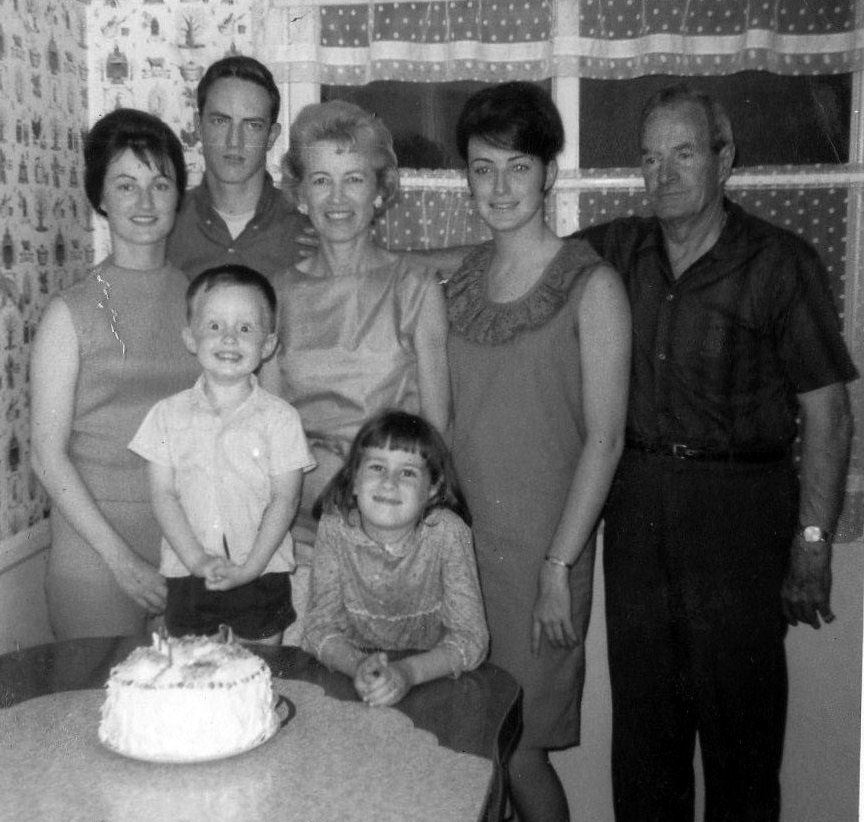
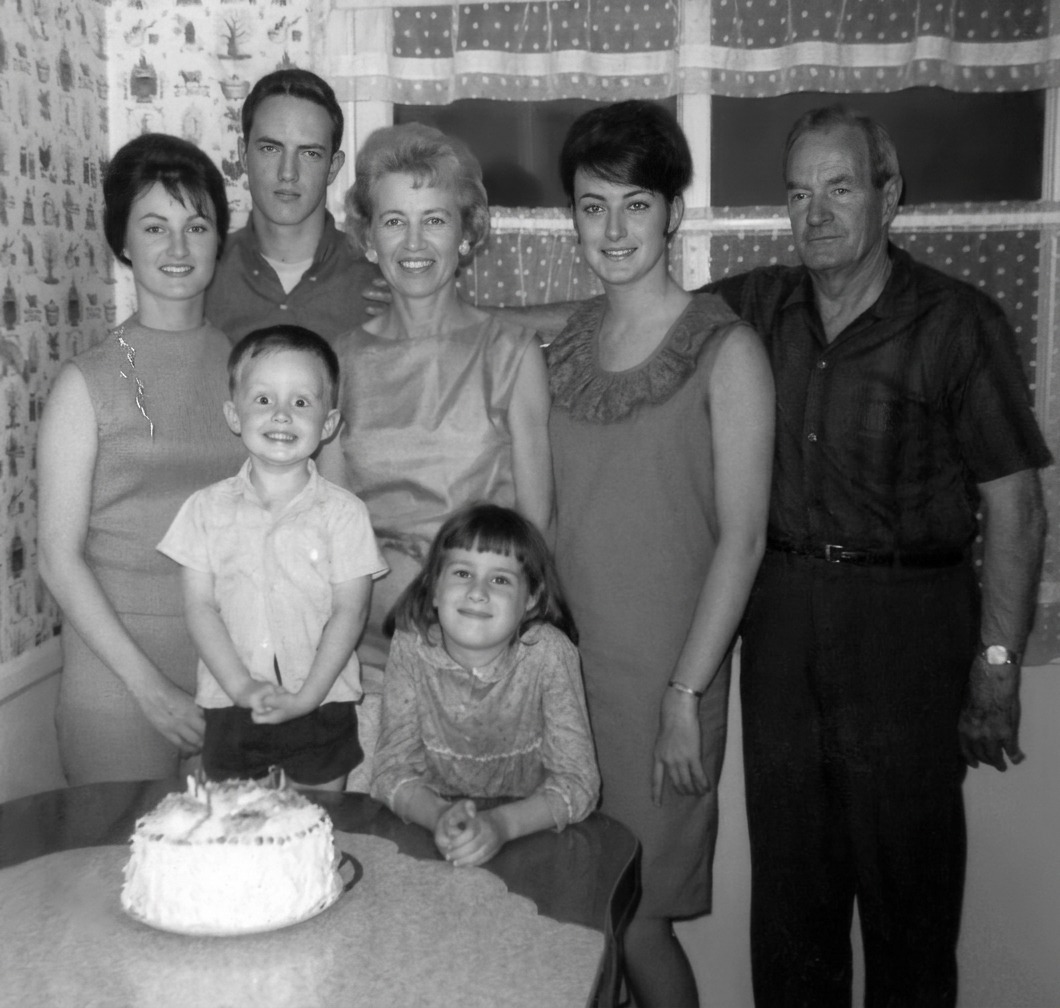
How it works
Upload your photo
Drop in a scan or phone photo of the damaged print. Your original is never touched, and there's no signup.
Preview it free
See the restoration beside your photo in about a minute. Drag the slider and judge it for yourself before you spend a cent.
Keep what you love
Pay only for the results worth keeping, then download them in full resolution.
Preview your photo — freeA practical, reversible workflow
The honest answer to whether a blurry photo can be fixed is: it depends entirely on the kind of blur. Blur is not one problem but several, and they differ in whether the detail is merely faint or genuinely gone. Telling them apart is the whole game, because it decides what any tool — AI included — can truthfully do.
The fixable kind is soft focus and gentle shake. A photo that is slightly out of focus, taken with a mediocre lens, or nudged by a small hand movement still contains the real detail — it is present but low in contrast, spread across a few pixels instead of sitting crisp. AI can lift that detail back into clarity convincingly, because it is enhancing what is there rather than inventing.
The unfixable kind is hard motion blur and badly missed focus. When a subject moved fast across the frame, or the camera focused on the wall behind a face, the information about that detail was never recorded as a coherent image — it was smeared or thrown to a different plane. There is nothing underneath to recover, only a guess to fabricate.
This is why 'AI unblur' results can look uncanny. Faced with detail that was never captured, the software will confidently draft a sharp face, a crisp jersey number, or a readable sign — and those are inventions, not recoveries. A blurred face sharpened this way can become a plausible stranger wearing the right clothes.
So the useful test before spending anything is to ask what kind of blur you have: is the shape of the detail faintly present under the softness, or has it genuinely smeared into a streak? Faint-but-present responds; smeared-and-gone does not, and no honest tool can change that.
Where the blur is fixable, giving the tool the best original matters enormously. A print scanned at 600 dpi, or better still an original negative, holds far more real detail than a small phone snap of that print, and every generation of copy discarded information the correction would love to have.
For faces especially, restraint protects recognition. A gentle sharpen brings a familiar expression back; an aggressive one invents features. Compare against any sharper frame of the same person, keep unresolved text and faces soft rather than fabricated, and prefer the quieter result whenever identity is at stake.
The free preview settles the question without a gamble. Upload the photo and see exactly how much real clarity comes back — if the detail was there, it returns and you can keep it; if it was truly gone, you have lost nothing but a minute, and no honest tool could have done more.
Questions about fixing blurry photos
Can a blurry photo really be made sharp?
Sometimes. Mild softness — slightly missed focus, gentle camera shake, a hazy lens — is faint detail that's genuinely present, and AI can lift it back into clarity convincingly. Hard motion blur and badly missed focus have thrown the detail away, so there's nothing underneath to recover, and sharpening those only invents faces and text the camera never captured.
Why do AI-sharpened photos sometimes look fake or wrong?
Because when the real detail was never captured, the software fills the gap by inventing it — drafting a sharp face, a crisp sign, or a jersey number that was never there. On a blurred face that can produce a plausible-looking stranger in the right clothes. The fix is restraint and honesty: recover the faint detail that exists, and leave what's genuinely gone soft rather than fabricated.
How can I tell if my blurry photo is fixable?
Look at whether the shape of the detail is faintly present under the softness or has smeared into a streak. Faint-but-present responds to sharpening; smeared-and-gone does not. The surest test is the free preview: upload the photo and see how much real clarity comes back before deciding whether it's worth keeping.
How much does a restoration cost?
The preview is free. Full-resolution downloads are $7.99 per photo, and the rate drops the more you restore — down to $4.49 each on the largest batches. Each photo includes up to three restoration attempts, and downloads stay available for 30 days.
See what your photo can become
Upload it, preview the restoration free, and keep only the result that feels right.
Preview your photo — free- 3 free previews a month
- No signup
- Ready in minutes
- One payment — nothing to cancel