Guide / best ai photo restoration tools
The Best AI Photo Restoration Tools, Compared Honestly
There is no single best tool, only the right fit for the job: a mobile app for quick face touch-ups, a genealogy suite if you already keep a family tree there, a manual editor if you have retouching skill, or a pay-per-photo web tool if you just want one damaged picture repaired without a subscription. Preview the result before you pay, and keep the original scan whichever tool you choose.
- 3 free previews a month
- No signup
- Ready in minutes
- One payment — nothing to cancel
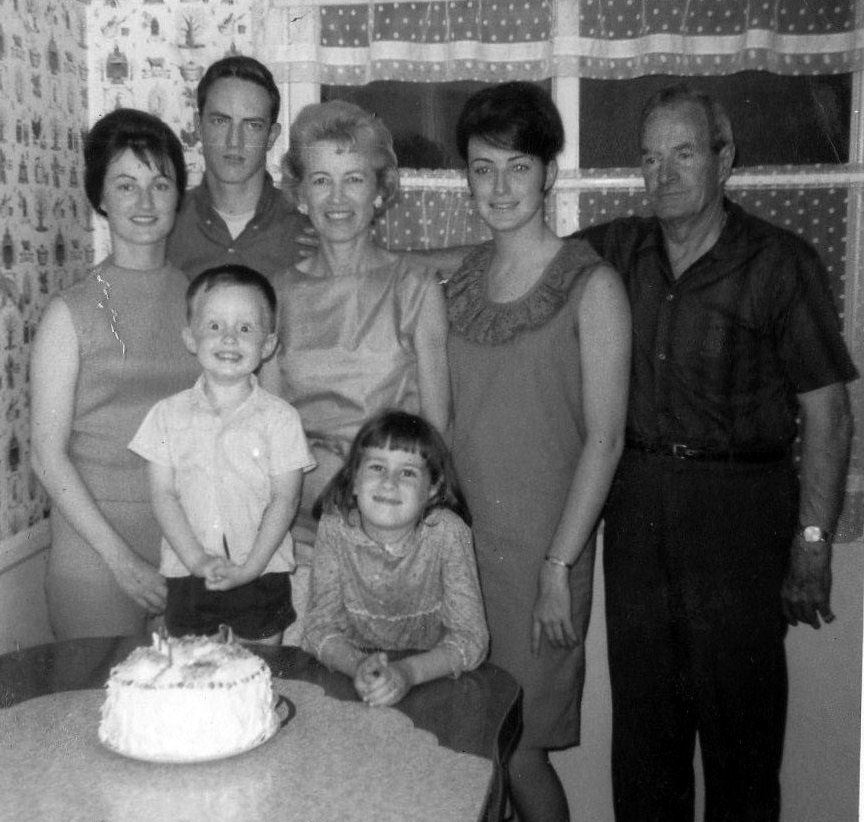
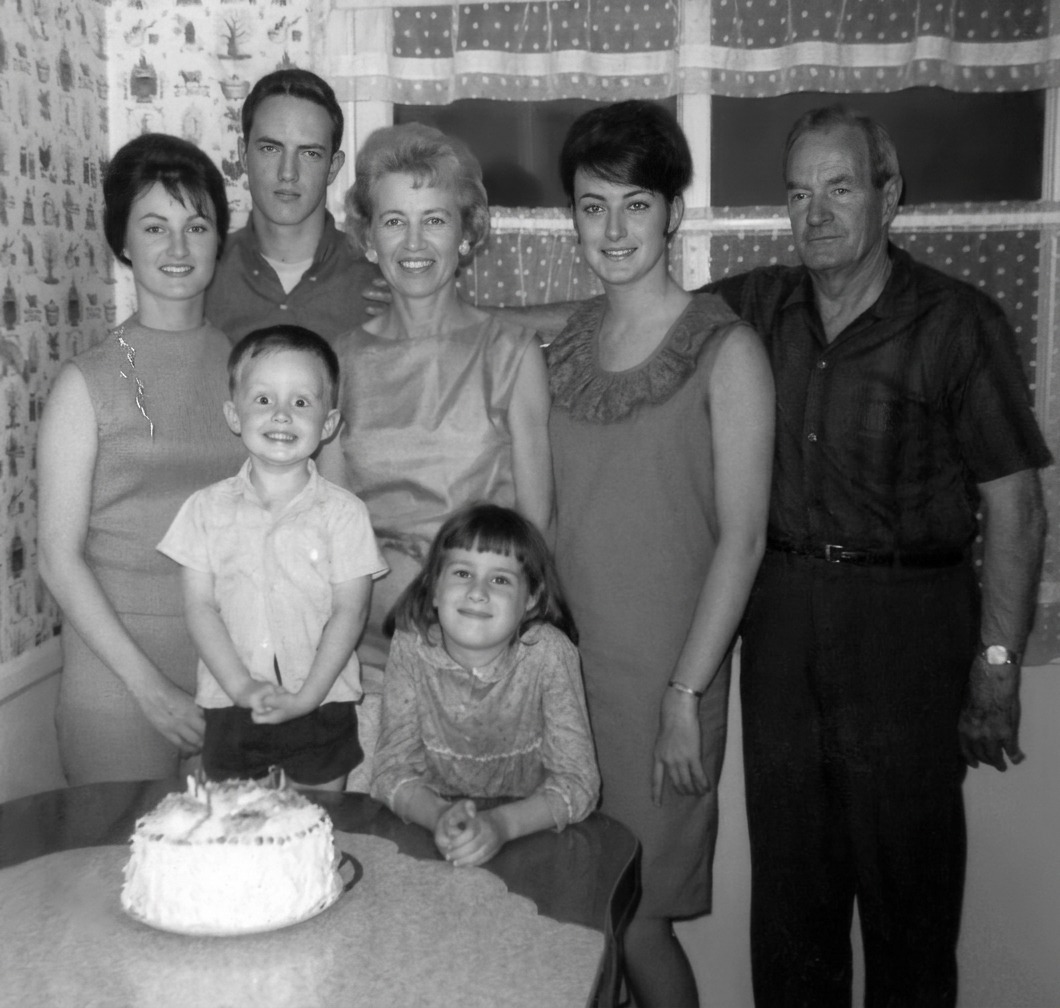
How it works
Upload your photo
Drop in a scan or phone photo of the damaged print. Your original is never touched, and there's no signup.
Preview it free
See the restoration beside your photo in about a minute. Drag the slider and judge it for yourself before you spend a cent.
Keep what you love
Pay only for the results worth keeping, then download them in full resolution.
Preview your photo — freeA practical, reversible workflow
Before comparing tools, decide what you actually need. Enhancing a slightly soft phone selfie is a different task from rebuilding a torn 1940s portrait, and most products are quietly optimized for one or the other. The honest question is not which tool is best in the abstract but which one is built for your specific photo, your budget, and how many pictures you have to get through.
MyHeritage is a genealogy platform first. Its photo features, including enhancement, colorization and a repair tool, live inside a broader subscription suite built around family trees, DNA matching and historical records. If you already research ancestry there, the photo tools are a convenient add-on. If you only want to fix one picture, you are signing up for and paying for a whole genealogy service to reach them.
Remini is a mobile app centered on enhancing faces and upscaling low-resolution portraits, and it does that briskly on a phone. It leans toward a polished, sharpened look, works on a freemium and subscription model, and is aimed more at improving everyday photos than at reconstructing heavy physical damage like tears, water stains or missing corners on an old print.
Photomyne is built around scanning printed photos with your phone camera and organizing albums, with enhancement and colorization added on top through a subscription. It is genuinely useful if your real problem is digitizing a shoebox of loose prints. Its restoration is a companion to that scanning workflow rather than a dedicated repair engine for a single badly damaged image.
Manual editors sit at the other end. Photoshop is subscription software and GIMP is free and open source, but both hand you the tools and expect the skill: cloning, masking and painting damage away by hand. A patient retoucher gets unmatched control and can rebuild things automation cannot, yet the learning curve is steep and one photo can take an evening.
RestoreThisPhoto is deliberately narrow. There is no account and no subscription; you upload one photo, see a free preview of the AI-drafted repair, and pay per photo only if you keep the result, starting at $7.99 for a single image and less per photo the more you restore, down to $4.49 each for a box of them. Severely damaged areas are reconstructed and may differ from the lost original, which is why every restoration is shown against its untouched source and backed by a gallery of documented before-and-after examples.
So match the tool to the task. Grab a mobile app for a quick face cleanup, stay inside MyHeritage if genealogy is already your home base, and hire a manual retoucher when a picture is irreplaceable and you want a human judgment on every pixel. Reach for a pay-per-photo web tool when you want an honest repair of a specific damaged photo without committing to a plan.
Whatever you choose, two habits protect you: preview before you pay, so you never buy a result you have not seen, and keep the original scan untouched under its own filename. A restoration is a new interpretation of the picture, not a replacement for it, and the surviving original is the only evidence of what the photograph really held.
Questions about AI photo restoration tools
What's the best app to fix an old torn photo?
For heavy physical damage like tears and missing pieces, a dedicated repair tool or a skilled manual retoucher does better than a general face-enhancer app. Preview the repair first: if the surrounding detail survives, an AI draft can rebuild the tear convincingly; if a whole face is gone, treat any result as an interpretation.
Is there a free AI photo restoration tool?
Several tools, including this one, let you preview a restoration for free and only charge when you export a result you want to keep. Fully free tools usually add watermarks, size limits, or ads. The honest test is whether you can see the finished quality before paying anything.
Do I need a subscription to restore just one photo?
No. Subscription pricing suits people restoring many photos over time, but for a single picture a pay-per-photo tool is cheaper and simpler. Here one photo is $7.99 with no account and no recurring charge.
Which tool is best for a whole box of old family photos?
For volume, look at scanning-focused apps to digitize the box first, then restore the batch here: the per-photo rate drops the more you restore, from $7.99 down to $4.49 each on the largest batches, which usually beats per-photo studio pricing for a large collection.
Can any of these actually rebuild a missing face?
Only partly, and honestly none can invent a face that is completely gone. Where enough of the features survive, AI can plausibly fill small gaps; where they don't, the result is a guess. Always compare the repair to the original and tell relatives which parts were reconstructed.
See what your photo can become
Upload it, preview the restoration free, and keep only the result that feels right.
Preview your photo — free- 3 free previews a month
- No signup
- Ready in minutes
- One payment — nothing to cancel