Colorize / 1950s photo
Colorize a 1950s Black-and-White Photo
AI can add a restrained, period-appropriate palette to a 1950s black-and-white photo, repairing light fading as it goes, while leaving faces and composition as they are. Color the photo never recorded is an educated guess, so check known details — a car, a uniform, a familiar dress — against memory or records. Label the result as colorized and keep the original scan.
- 3 free previews a month
- No signup
- Ready in minutes
- One payment — nothing to cancel
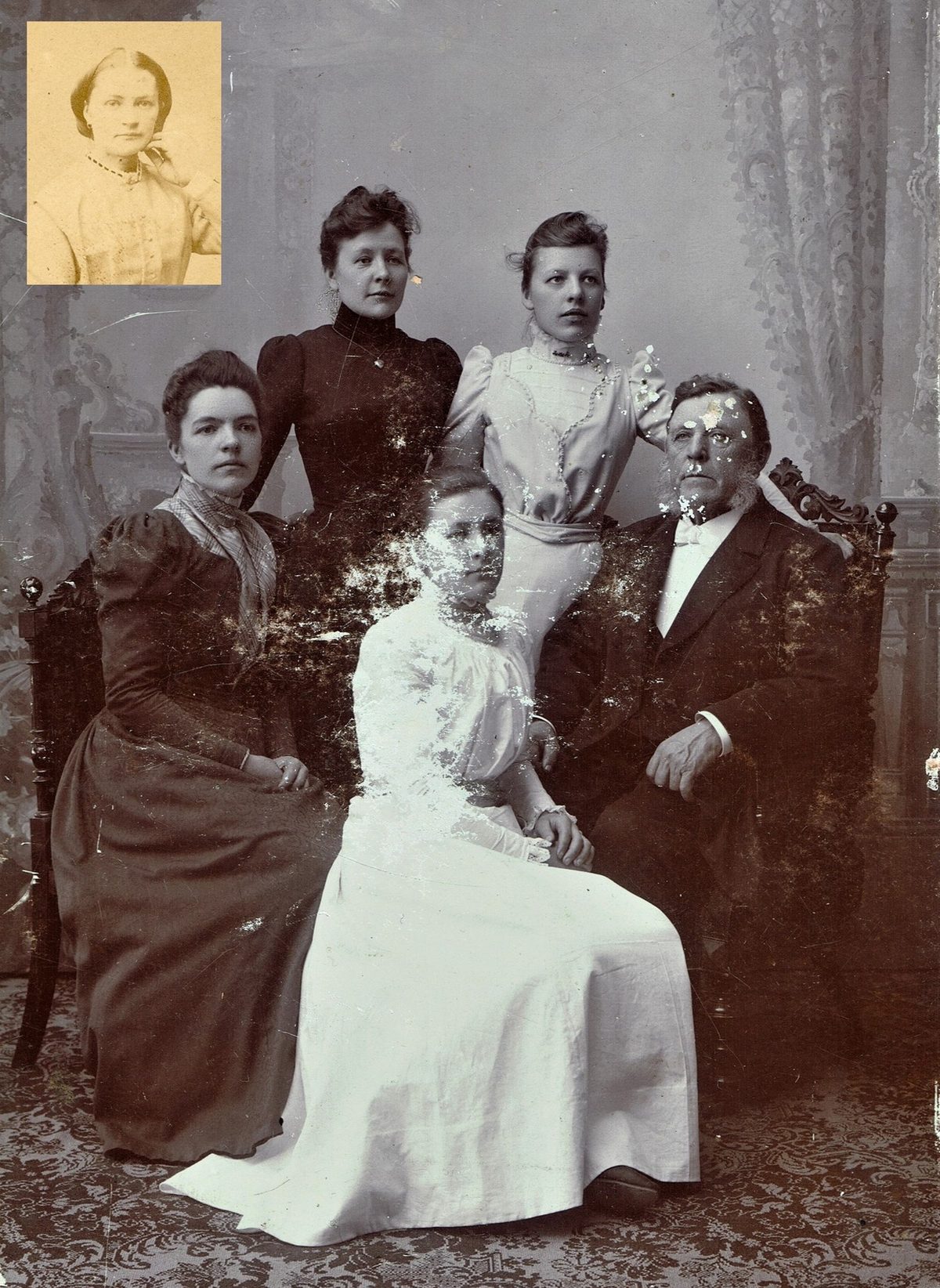
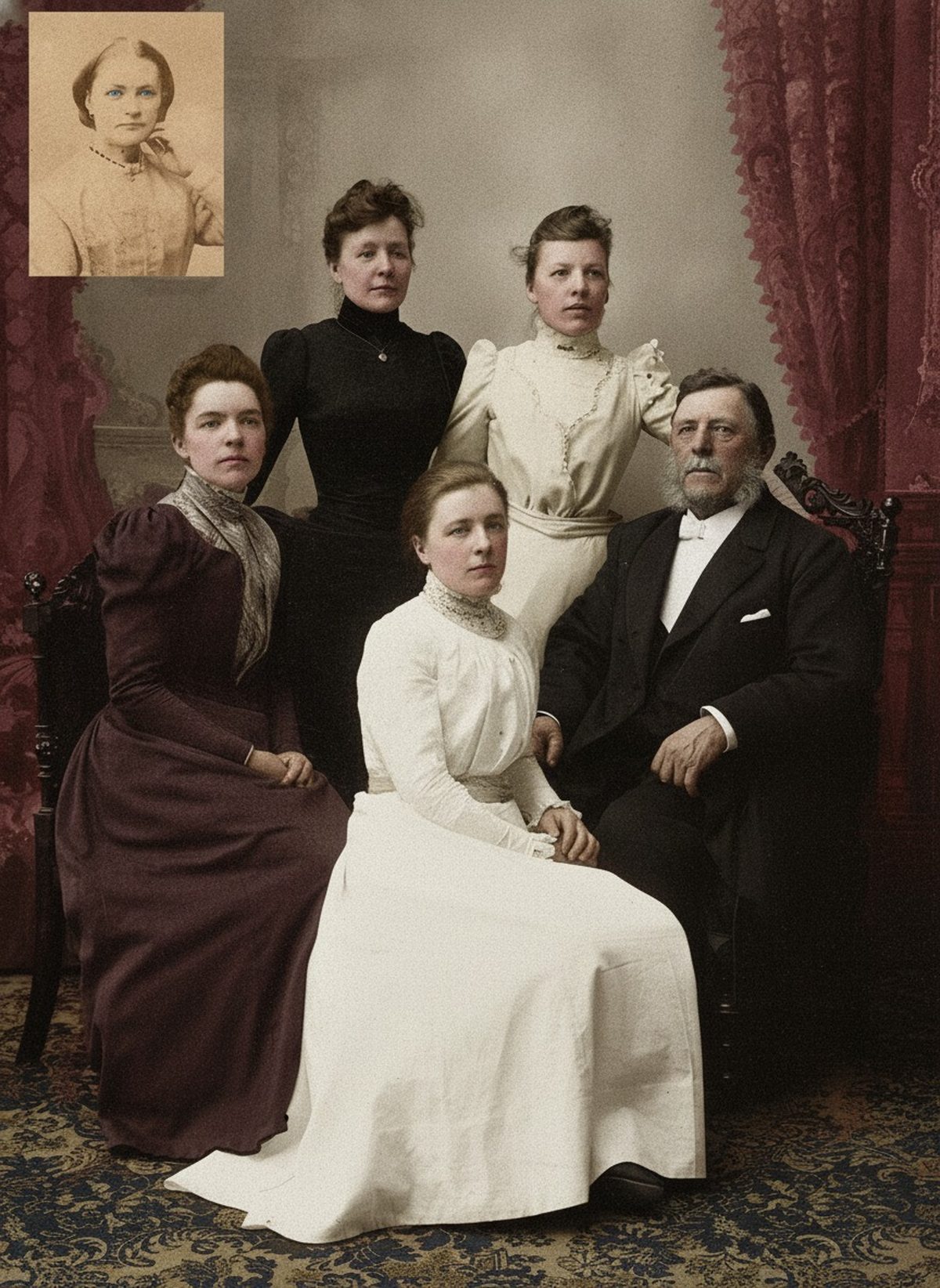
How it works
Upload your photo
Drop in a scan or phone photo of the damaged print. Your original is never touched, and there's no signup.
Preview it free
See the restoration beside your photo in about a minute. Drag the slider and judge it for yourself before you spend a cent.
Keep what you love
Pay only for the results worth keeping, then download them in full resolution.
Preview your photo — freeWhat to know before restoring this photograph
The 1950s is the last decade that is overwhelmingly black-and-white for most families. Color film existed but was expensive, so the Brownie snapshots, studio portraits, and press clippings that fill a 1950s box are nearly all monochrome — which makes the decade a natural home for careful colorization.
Grayscale records brightness, never hue. A 1950s print tells the model exactly how light or dark each thing was, and nothing about its color, so the palette it adds is inferred: skin toward believable warmth, everyday fabric toward the softer dyes of the period, chrome and paint toward plausible mid-century ranges. These are reasoned guesses — often convincing, never verifiable from the print alone.
The decade helps the guessing along, because 1950s color has a recognizable character. Postwar clothing and interiors leaned into specific palettes — turquoise and coral, muted pastels, the two-tone paint of a new car — and a draft that reaches for those period ranges usually sits closer to the truth than one that colors everything in modern, saturated tones.
Scan the print at 600 dpi in color, catching any studio border, deckled edge, or handwritten date along with the image. Note who is in it and roughly when, and keep that capture untouched — the colorization should always run on a copy, never the original file.
Some 1950s details are genuinely knowable, and those are the ones to pin down: a military uniform has documented colors, a make and model of car has known factory paint, a school's team wore recorded colors. Where a record or a living memory exists, use it — it turns a guessed patch into a documented one and anchors the rest of the palette.
Faces come through well, since skin, hair, and lips carry strong contextual cues, and a stiff studio portrait can feel suddenly present. Eye color is the exception the grayscale cannot settle: darkness alone cannot separate brown from blue, so if no one remembers, the draft is quietly choosing for you.
Watch that the color is added without the person being changed. If a draft smooths a face or shifts an expression while it colors, it has traded the individual for a palette. Keep faces close to the source, keep the color restrained, and prefer the quieter version whenever recognition is at stake.
Label the result colorized wherever it travels, and keep the black-and-white scan as the family's primary record. A short note on which colors were confirmed and which were interpreted turns a pretty guess into a documented one.
The preview is free: upload the scan, see the 1950s in color, and show it to anyone who was there. You pay only for the copies you export — and if a relative's correction sends you back for another try, that correction is exactly the evidence the next draft needs.
Questions about 1950s photographs
Can you colorize a black-and-white photo from the 1950s?
Yes — the 1950s is mostly black-and-white for family photos, which makes it a natural fit for colorization. AI can add a restrained, period-appropriate palette while repairing light fading and leaving faces and composition untouched. The honest limit is that any color the print never recorded is an educated guess, so confirm knowable details like a car's paint, a uniform, or eye color against records or memory.
Will the colors be historically accurate for the period?
Where the evidence supports them. AI infers plausible mid-century tones from the grayscale, which is usually convincing for skin, wood, and everyday fabric, and 1950s palettes have a recognizable character it can lean toward. But a specific dress shade or eye color is a guess unless a record or a relative confirms it, so treat the color version as an interpretation to enjoy beside the original.
How much does a restoration cost?
The preview is free. Full-resolution downloads are $7.99 per photo, and the rate drops the more you restore — down to $4.49 each on the largest batches. Each photo includes up to three restoration attempts, and downloads stay available for 30 days.
Is my original scan safe?
Yes. The colorization is a separate file, so your scan stays exactly as it was. Keep the raw black-and-white scan archived on its own as the primary record, and give the color version a new name so the two are never confused.
See what your photo can become
Upload it, preview the restoration free, and keep only the result that feels right.
Preview your photo — free- 3 free previews a month
- No signup
- Ready in minutes
- One payment — nothing to cancel