Restore / 1950s photos
Restore 1950s Photos Online
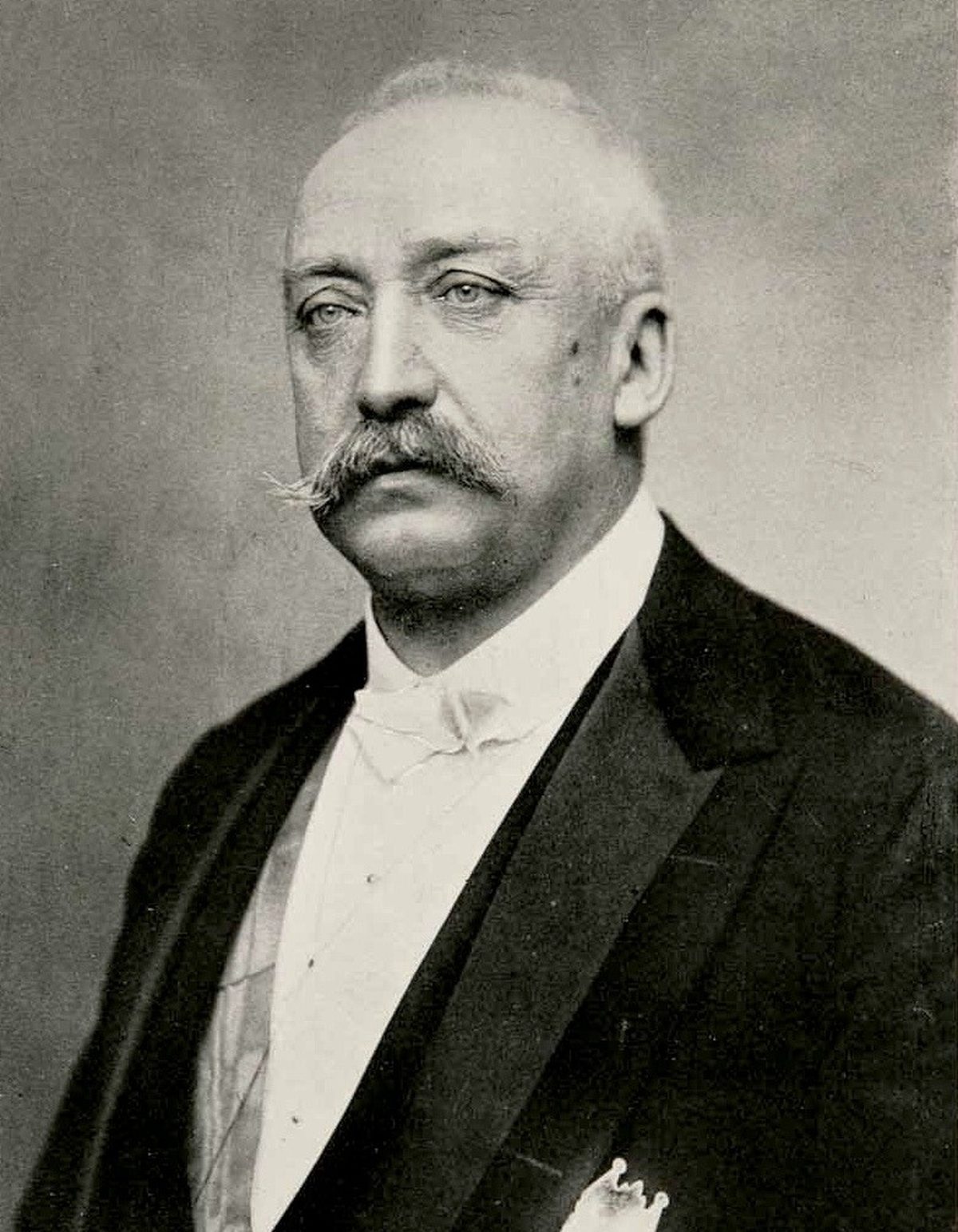
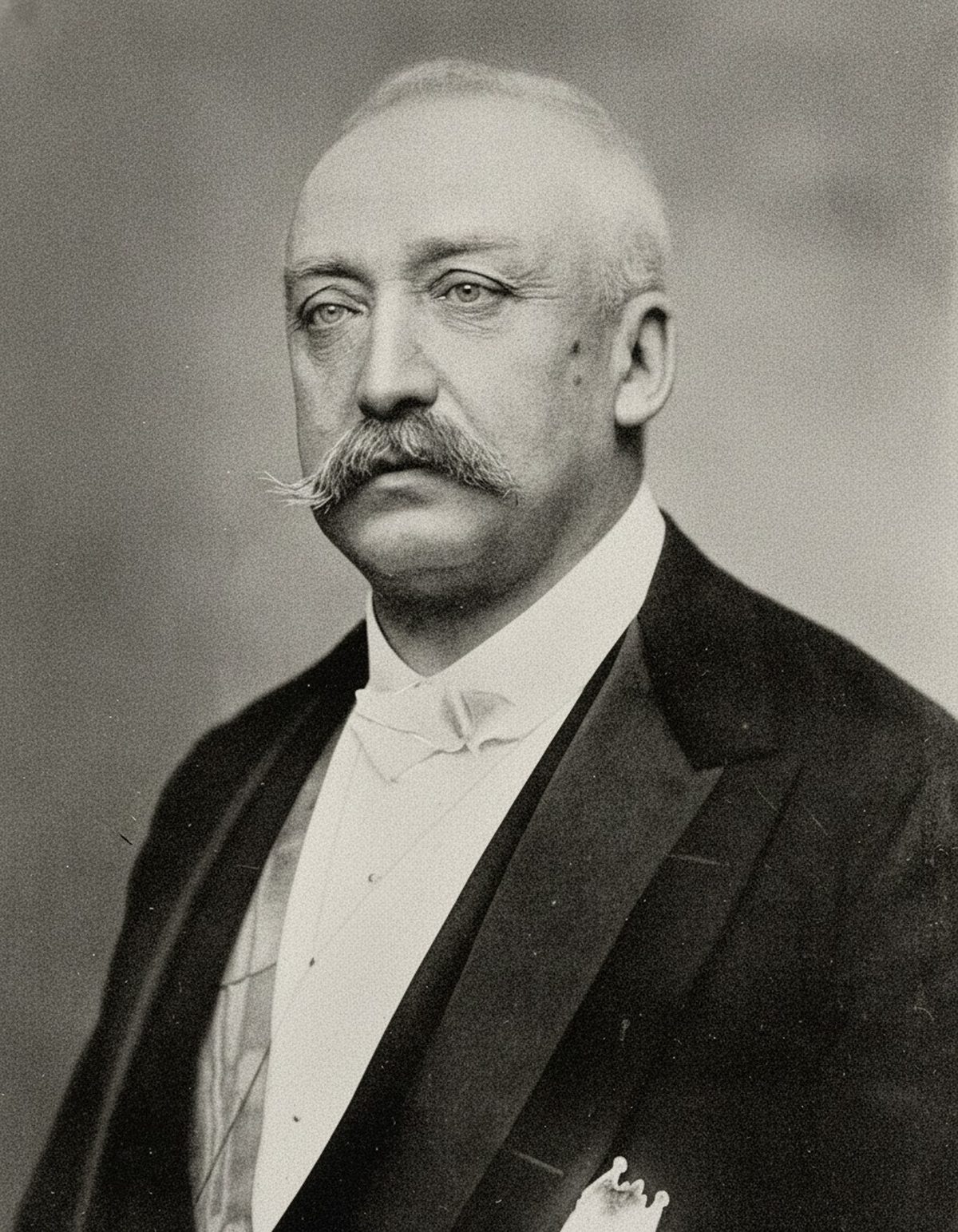
AI can rebalance aging dyes, reduce dust, and restore contrast in living rooms, diners, cars, and celebrations without erasing film character. Exact appliance, dress, or automobile colors are uncertain in monochrome sources. Severe flash washout also leaves little facial texture to recover. Keep the untouched scan beside the result.
- 3 free previews a month
- No signup
- Ready in minutes
- One payment — nothing to cancel
How it works
Upload your photo
Drop in a scan or phone photo of the damaged print. Your original is never touched, and there's no signup.
Preview it free
See the restoration beside your photo in about a minute. Drag the slider and judge it for yourself before you spend a cent.
Keep what you love
Pay only for the results worth keeping, then download them in full resolution.
Preview your photo — freeWhat to know before restoring this photograph
Open a 1950s shoebox and two kinds of photograph come out. There are square black-and-white snapshots from simple box cameras — Brownie territory — and there is the family's first color: chromogenic prints and Kodachrome slides from the decade when color photography reached the kitchen table.
Early color prints fail in a known direction. Of the three dye layers, cyan is the least stable, so it goes first, and the print slides toward red and orange as the remaining dyes dominate. A 1950s print that looks sunburnt is not dirty; part of its color record is chemically gone.
The black-and-white squares age more quietly — glossy surfaces pick up fingerprints and edge cracks, album glue leaves shadows at the corners, and contrast settles into gray — while Kodachrome slides kept boxed and dark are often the best-preserved color in the whole house, worth digitizing before anything else.
Scan prints at 600 dpi and slides around 3200 dpi, and keep each envelope or roll together as a group, because processing order is often the only chronology these pictures still have.
Restoration then has clear jobs: rebalancing the shifted cast, clearing dust and fine cracks, and rebuilding contrast in those flash-lit living rooms, diners, and driveway scenes without flattening the film's character. One limit stands regardless of effort — where a flashbulb bleached a face to blank paper, there is almost no texture on the negative to work from, and the improvement there will be modest and honest rather than dramatic.
Be clear-eyed about what a rebalance is when the cyan has left. The correction is an informed estimate built from skin, sky, and remembered reality — the missing dye is not hidden in the print waiting to be found. It can look wonderful; it is still an interpretation, which is why the shifted scan stays on file next to it.
Colorizing the monochrome squares has the same status. The film never recorded whether the new refrigerator was aqua or the sedan was seafoam, and no software can settle it. Family memory can, so ask before the option to ask is gone.
When you judge the preview, look at skin tones and sky first and furniture last. Faces and daylight anchor whether a color correction is believable; upholstery and paint were genuinely eccentric in the fifties and make poor reference points.
Start with the most red-shifted print in the box — it shows the treatment's range fastest. The preview is free on your scan, and you pay only for the versions you decide to keep.
Questions about 1950s photographs
Is it possible to restore 1950s photos and bring back their color?
Yes — AI can correct the red or yellow shift in aging color prints, clear dust, and rebuild contrast in those flash-lit interiors and celebration scenes while keeping the film's period look. For a black-and-white photo it can add plausible color, but the exact shade of a dress, car, or kitchen appliance is a guess the monochrome film never recorded. Keep the original scan so the invented colors are always clear.
Will the restored photo still look like it's from the 1950s?
It can. A restrained edit cleans the damage — dust, cracks, color casts — without scrubbing away the grain and soft studio lighting that mark the decade. Push the settings too hard and a 1950s snapshot can start to look oddly modern, so keep a lighter version alongside and compare them before you decide.
How much does a restoration cost?
The preview is free. Full-resolution downloads are $7.99 per photo, and the rate drops the more you restore — down to $4.49 each on the largest batches. Each photo includes up to three restoration attempts, and downloads stay available for 30 days.
Will running this change or damage the photo I upload?
It never touches the file you keep. The editor generates a new restored version and leaves your uploaded scan intact. Save that original under its own filename and note anywhere the restoration rebuilt missing detail.
See what your photo can become
Upload it, preview the restoration free, and keep only the result that feels right.
Preview your photo — free- 3 free previews a month
- No signup
- Ready in minutes
- One payment — nothing to cancel