Restore / yearbook photo
Restore an Old Yearbook Photo Online
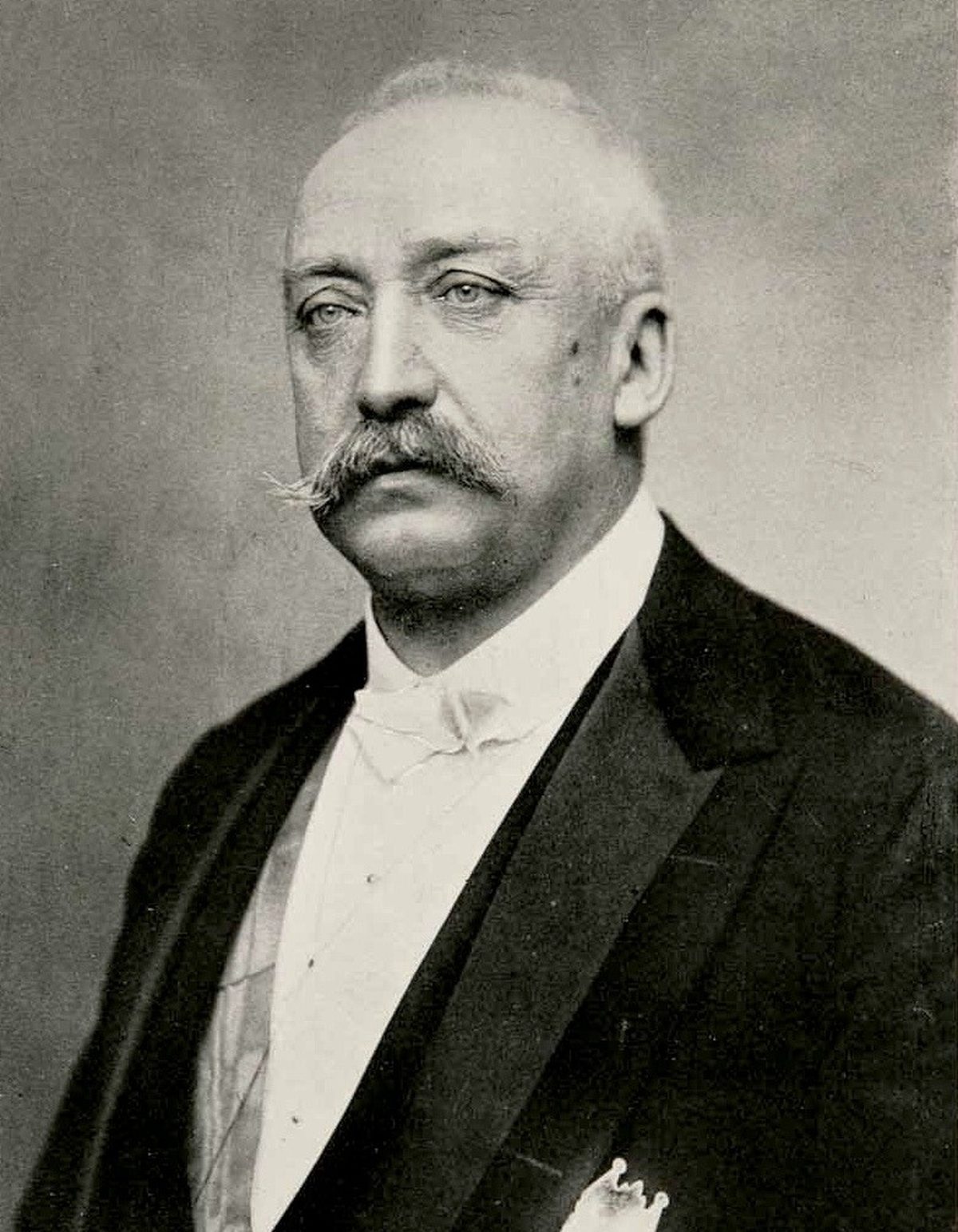
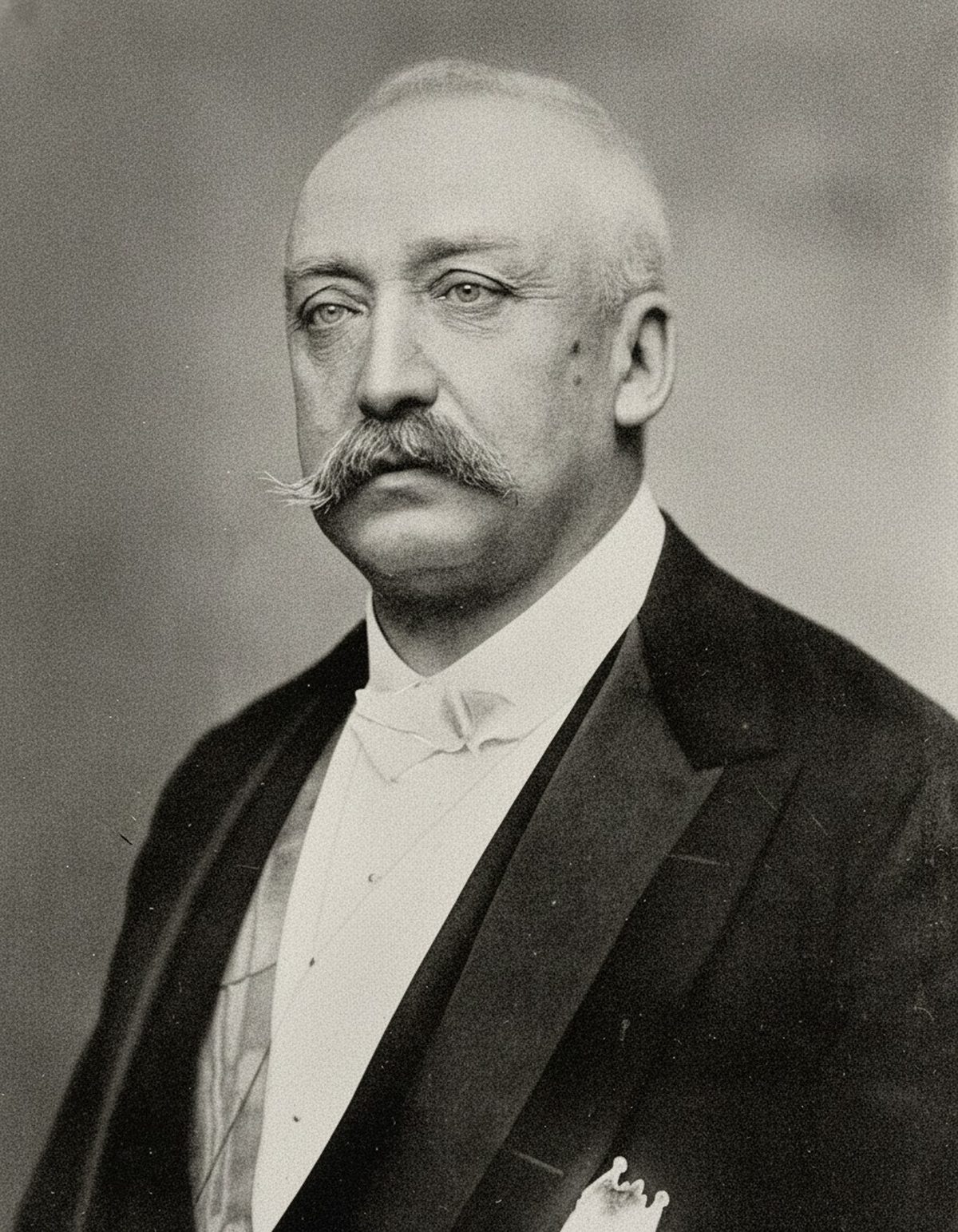
Restoration can reduce yellowing and dot interference, improve tonal separation, and clarify a modest portrait for family sharing. It cannot turn a tiny printed headshot into the lost camera negative. Check every reconstructed face against other known photographs of the person. Keep the untouched scan beside the result.
- 3 free previews a month
- No signup
- Ready in minutes
- One payment — nothing to cancel
How it works
Upload your photo
Drop in a scan or phone photo of the damaged print. Your original is never touched, and there's no signup.
Preview it free
See the restoration beside your photo in about a minute. Drag the slider and judge it for yourself before you spend a cent.
Keep what you love
Pay only for the results worth keeping, then download them in full resolution.
Preview your photo — freeWhat to know before restoring this photograph
A yearbook portrait is a print of a print: the studio photograph was screened into halftone dots and pressed in ink onto thin book paper, and the camera negative behind it is almost always long gone. What the page holds — dots, paper, and binding — is the entire surviving record.
The page ages like a book, not like a photograph. The paper yellows toward amber, the sheet is thin enough that ink from the reverse side ghosts through behind the portrait, the coating scuffs where pages rubbed for decades, and any photo near the spine curves down into the gutter where light and focus both fall away.
Scanning has to respect the binding. Do not press a fragile spine flat against scanner glass — that is how spines crack. Support the book open at a comfortable angle and photograph the page, or use an edge scanner, keeping the page as flat as it will comfortably go.
Show-through has a simple physical fix: slip a black sheet behind the page being captured, and the ghost of the overleaf largely disappears from the scan before any software gets involved.
Capture the full page while you are there. The name under the portrait, the club captions, the classmates alongside — that context is often the reason the photo matters, and it takes one extra frame to keep.
On the portrait itself, AI can subdue the yellowing and the dot pattern, rebuild the tonal separation the coarse screen flattened, and clarify the small face into something that shares well on a screen — an honest, readable copy of a printed original, not a resurrection of the studio sitting.
The dots define the honest ceiling: detail finer than the halftone screen is inferred, not recovered, and the result cannot become the lost studio negative. Check a reconstructed face against other photographs of the person before drawing conclusions from it.
If the portrait matters enough, ask upstream — the school, an alumni association, or a local archive sometimes holds a cleaner copy of the same yearbook, and occasionally the studio proofs themselves.
Preview the cleanup free on the page you care about, keep the result only if the face truly reads better, and file it with the full-page scan so the name stays attached to the person.
Questions about yearbook photographs
Is it possible to restore a small yearbook photo?
Yes — from a careful scan of the page, AI can cut the yellowing and the halftone dot pattern, improve tonal separation, and clarify a modest portrait enough to share with family. What it can't do is turn a tiny printed headshot back into the original camera negative; the ink reproduction only holds so much detail. Check any rebuilt face against other photos of the person before trusting it.
How do I scan a yearbook photo without damaging the book?
Support the spine instead of forcing it flat, and scan the whole page at 600 dpi rather than pressing down to isolate one portrait. Capture the name and surrounding text in the same pass, then crop a working copy afterward. That full-page scan protects the binding, keeps the caption attached for identification, and gives the restoration the cleanest possible source to work from.
How much does a restoration cost?
The preview is free. Full-resolution downloads are $7.99 per photo, and the rate drops the more you restore — down to $4.49 each on the largest batches. Each photo includes up to three restoration attempts, and downloads stay available for 30 days.
Does the restorer edit my original photo?
No. You upload a digital copy and the AI works only on that copy — the physical photo and your original scan are never altered. Store the untouched scan separately so you always have it to compare against.
Can I print the restored version?
Yes, if the file has enough pixels for the intended size. Inspect faces and fine details before printing, and keep the higher-resolution master separate from the print export.
See what your photo can become
Upload it, preview the restoration free, and keep only the result that feels right.
Preview your photo — free- 3 free previews a month
- No signup
- Ready in minutes
- One payment — nothing to cancel