Restore / wedding photo
Restore an Old Wedding Photo Online
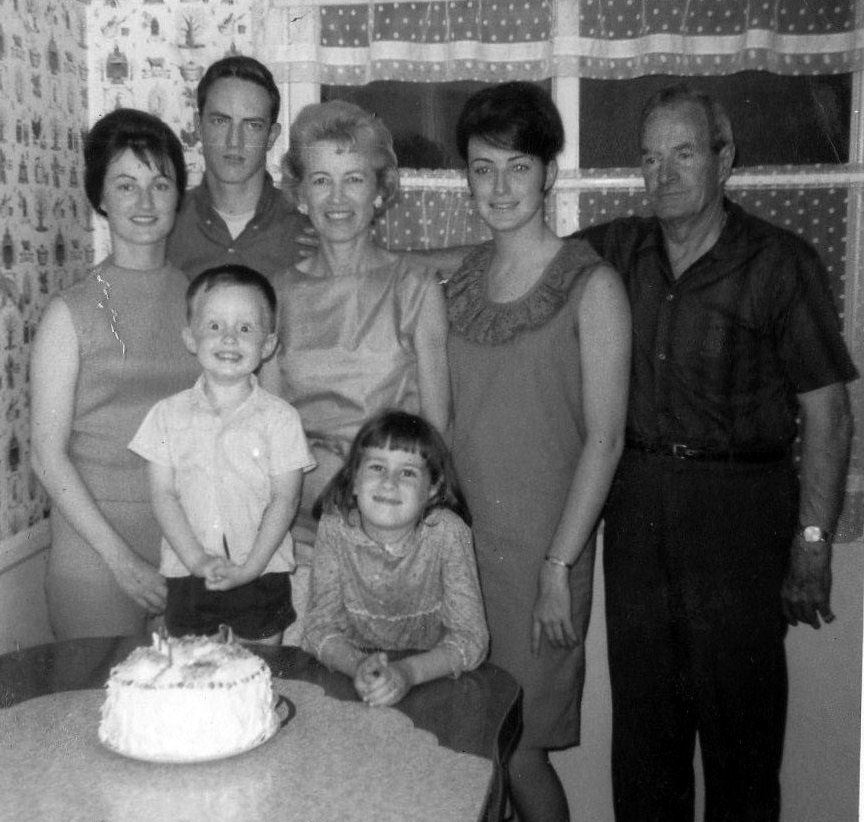
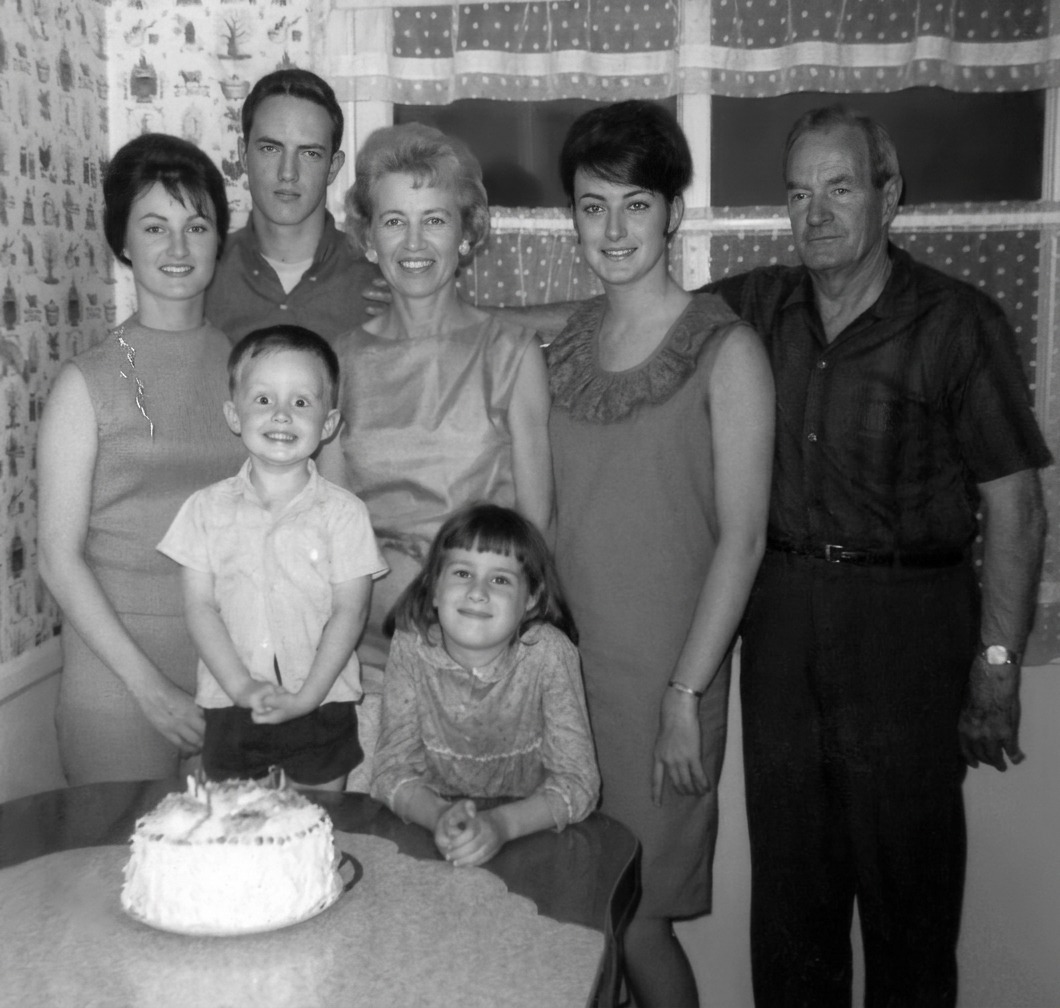
AI can reduce scratches and fading across a group, restore tonal separation in formal clothing, and make a sharing copy easier to print. Inspect each face independently, especially people at the edge. Severe loss is reconstructed and may not reproduce the exact expression or garment. Keep the untouched scan beside the result.
- 3 free previews a month
- No signup
- Ready in minutes
- One payment — nothing to cancel
How it works
Upload your photo
Drop in a scan or phone photo of the damaged print. Your original is never touched, and there's no signup.
Preview it free
See the restoration beside your photo in about a minute. Drag the slider and judge it for yourself before you spend a cent.
Keep what you love
Pay only for the results worth keeping, then download them in full resolution.
Preview your photo — freeWhat to know before restoring this photograph
Wedding photographs concentrate the hardest tonal problem in portraiture: a white gown beside near-black suits, often under strong light. Film and paper struggled with that range on the day, and age widens the gap — highlights thin toward blank, shadows silt up — so the first restoration question is whether the dress and the suits can regain separation.
That is exactly the kind of correction AI performs well from a good scan: tonal separation returned so lace reads as lace rather than white mass, suit folds emerging from shadow, and the overall fading and scratch load across the group eased.
Lace and fine fabric are also the detail most easily faked. A pattern the print no longer holds will be replaced with plausible lace that is not the actual dress — a substitution the bride, or her daughter, may well notice. Where the fabric detail survives, restoration clarifies it; where it is gone, the honest result is softness, not invention.
Scan posed groups at 600 dpi or higher, since small faces and fabric edges need that headroom for repair, and photograph the album page and its captions before lifting or cropping anything — handwritten names on wedding album pages are frequently the only surviving guest list for that side of the family.
Damage on these prints concentrates where thumbs have been: the couple's faces, touched and pointed at across decades of viewings. Expect the most wear precisely on the most important square inches, and give those areas the slowest review.
Inspect the finished group one person at a time, edges last and carefully — a correction tuned to the couple at the centre can subtly misplace an elderly guest at the frame's margin, and every person in a wedding group is somebody's whole reason for keeping the print.
Where a face was heavily damaged, the repair is an interpretation and may not reproduce the exact expression; keep a lighter alternate for anyone whose likeness the family treasures, and let the untouched scan arbitrate disagreements.
Bouquets, veils, and boutonnieres tolerate more intervention than faces — improving them lifts the sense of occasion without risking anyone's identity, which makes them a sensible place for the stronger correction.
The free preview settles whether this particular print has the information left to work with: upload the scan, watch the gown and suits separate, check the faces one by one, and pay only for the copies the family exports.
Questions about old wedding photographs
How do I restore an old wedding photo with a whole group of people?
Scan the group at 600 dpi or higher so the small faces and lace have room to repair, then let AI even out the scratches and fading and bring back the tonal separation in dark suits and bright gowns. Check every face on its own afterward, especially the people at the edges — where damage wiped out a face, the fill is a best guess and may not match the real expression. Keep the original scan for comparison.
Can I print the restored wedding photo large enough to frame?
Usually yes, if you scanned at 600 dpi or higher — a posed group needs the extra pixels so faces and fabric hold up at size. Inspect the faces and fine lace at full resolution before printing, and keep the high-resolution master separate from any smaller sharing copy so a frame print always comes from the best file.
How much does a restoration cost?
The preview is free. Full-resolution downloads are $7.99 per photo, and the rate drops the more you restore — down to $4.49 each on the largest batches. Each photo includes up to three restoration attempts, and downloads stay available for 30 days.
Does the restorer edit my original photo?
No. You upload a digital copy and the AI works only on that copy — the physical photo and your original scan are never altered. Store the untouched scan separately so you always have it to compare against.
See what your photo can become
Upload it, preview the restoration free, and keep only the result that feels right.
Preview your photo — free- 3 free previews a month
- No signup
- Ready in minutes
- One payment — nothing to cancel