Restore / polaroid
Restore an Old Polaroid Photo Online
Restoration can neutralize a cast, rebuild contrast, and reduce small processing flaws while retaining the unmistakable instant-print character. Blank chemical patches never formed an image and require interpretation. Preserve handwriting and border wear when they carry part of the object’s story. Keep the untouched scan beside the result.
- 3 free previews a month
- No signup
- Ready in minutes
- One payment — nothing to cancel
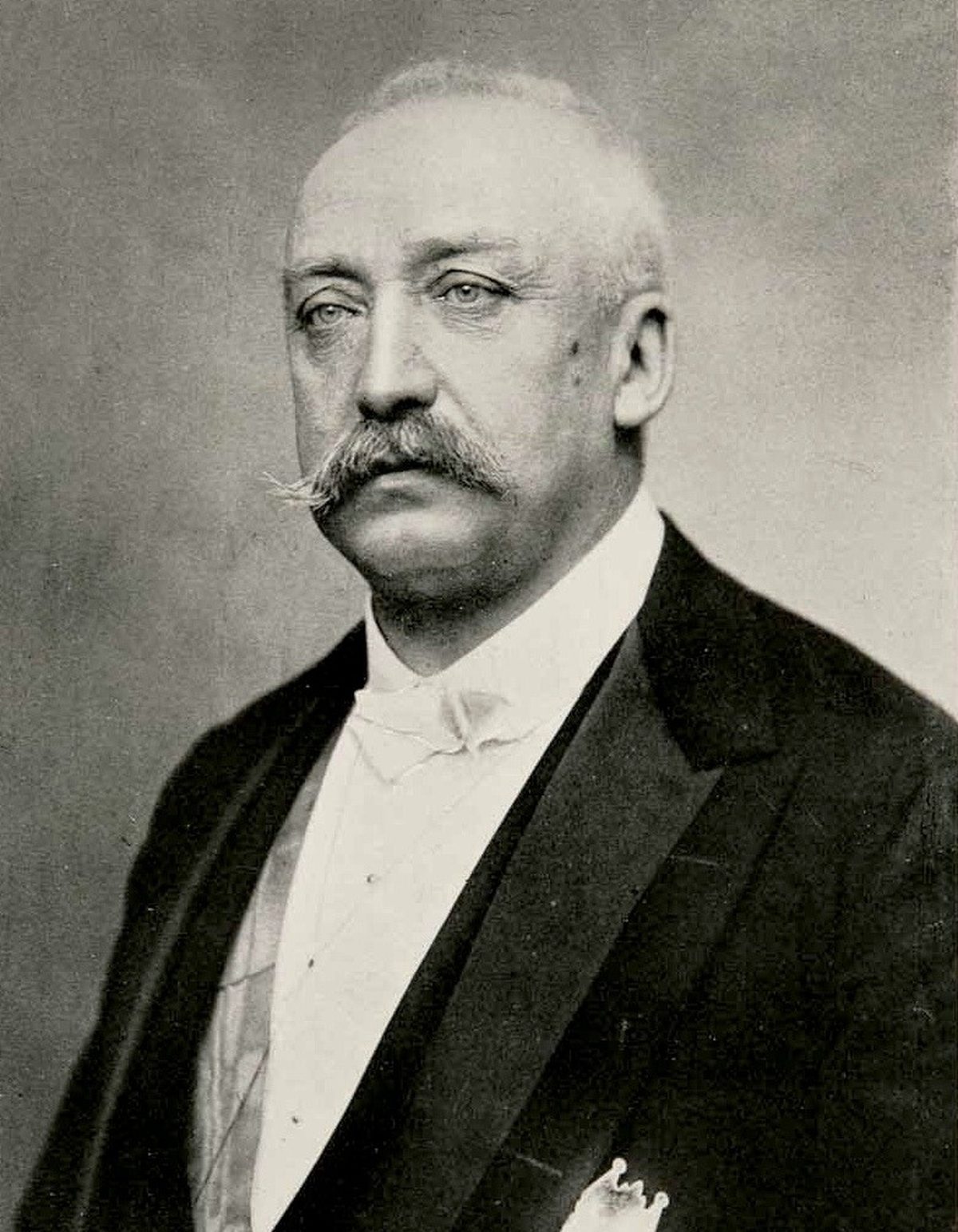
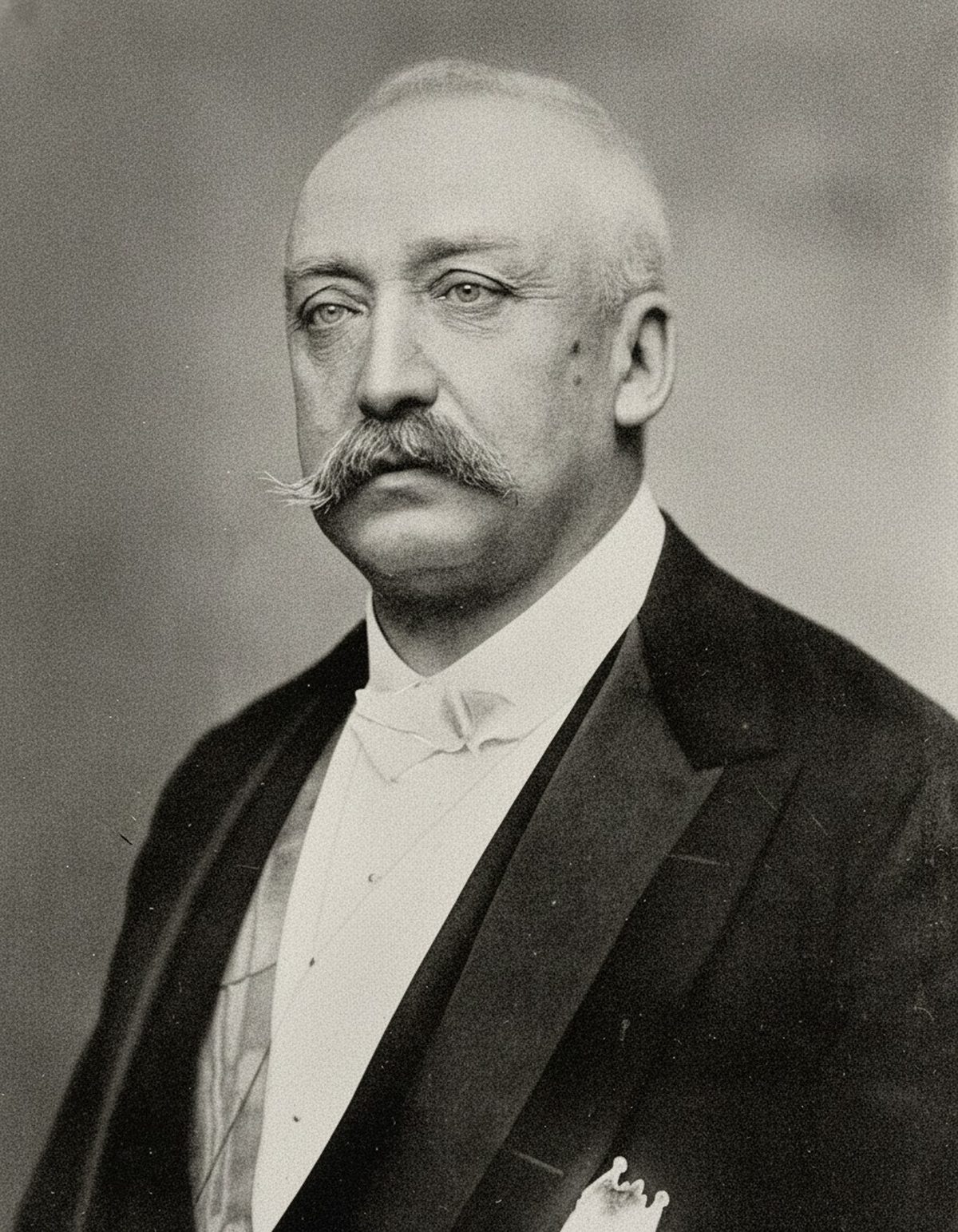
How it works
Upload your photo
Drop in a scan or phone photo of the damaged print. Your original is never touched, and there's no signup.
Preview it free
See the restoration beside your photo in about a minute. Drag the slider and judge it for yourself before you spend a cent.
Keep what you love
Pay only for the results worth keeping, then download them in full resolution.
Preview your photo — freeWhat to know before restoring this photograph
A Polaroid print is a sealed chemical sandwich: dye-developer layers laminated between a clear plastic front and an opaque backing, with the picture suspended inside. Nothing about it behaves like paper, and that is the key to both its charm and its failures.
Age shows up from within rather than on the surface. The image layer can crack into fine branching lines like a dry riverbed, dense shadow areas develop a bronzed metallic sheen, the edge seal can let discoloration creep inward from the border, and the whole balance drifts warm as the dyes shift inside their laminate.
Whatever its condition, never peel a Polaroid apart. The layers were mated for good, the developer paste inside remains caustic, and opening the packet destroys the image outright. Every repair happens on a scan while the print stays sealed.
Capture the whole object at 600 dpi with the white border included in the frame; if the glossy face throws glare on flatbed glass, photograph it instead at a slight angle in soft indirect light and square the frame up afterwards. Either way, work from that file and let the print itself go straight back into the dark.
Restoration then works with the format rather than against it: the warm cast neutralized, contrast rebuilt, crack lines and processing flaws quieted — while the square proportions and instant-print texture that identify a Polaroid stay put.
Some blemishes deserve to survive the restoration. Handwriting on the border, a scuffed corner from years in a wallet, the slightly crooked framing of a picture taken at arm's length — where the wear carries part of the object's story, restoring around it is often truer than erasing it.
Patches where the chemistry failed at development never held an image, so a fill there is interpretation rather than recovery; keep such repairs modest and keep the untouched scan for comparison.
The original will keep changing even in a drawer, because its chemistry never fully retires. Store it dark, flat, and cool, and let the restored copy absorb the display duty — sunlight, fridge doors, frames, reprints.
Preview one faded frame free and watch the cast lift before deciding about the rest of the box. You pay only for the restored files you keep; the sealed originals are never touched at all.
Questions about old Polaroid prints
Can old faded Polaroids be restored?
Yes. Scan the whole print, borders and all, and AI can neutralize the color cast, rebuild the flattened contrast, and reduce the streaks and bronzing that instant film develops with age—while keeping that unmistakable Polaroid look. Blank chemical patches that never formed an image are the limit; those areas get interpreted, not recovered.
Should I scan the white border and handwriting too?
Yes—scan the complete frame and don't peel the layers apart. The handwritten date, the worn border, and the instant-print shape are part of what the object is, and they give the restored version an honest point of comparison. AI can clean the picture inside while leaving those markings intact.
How much does a restoration cost?
The preview is free. Full-resolution downloads are $7.99 per photo, and the rate drops the more you restore — down to $4.49 each on the largest batches. Each photo includes up to three restoration attempts, and downloads stay available for 30 days.
What happens to the photo I upload?
It becomes the reference for a new restored copy and is left unchanged. Your job is to keep that original scan safe and labeled so you can always see what was real versus what the AI rebuilt.
See what your photo can become
Upload it, preview the restoration free, and keep only the result that feels right.
Preview your photo — free- 3 free previews a month
- No signup
- Ready in minutes
- One payment — nothing to cancel