Restore / old passport photo
Restore an Old Passport Photo Online
AI can clarify the small face, reduce paper discoloration, and create a more approachable family-history copy while the full scan remains intact. Fine identity features in a tiny print may be inferred. Preserve stamps in the documentary master and label any portrait-only cleanup as edited. Keep the untouched scan beside the result.
- 3 free previews a month
- No signup
- Ready in minutes
- One payment — nothing to cancel
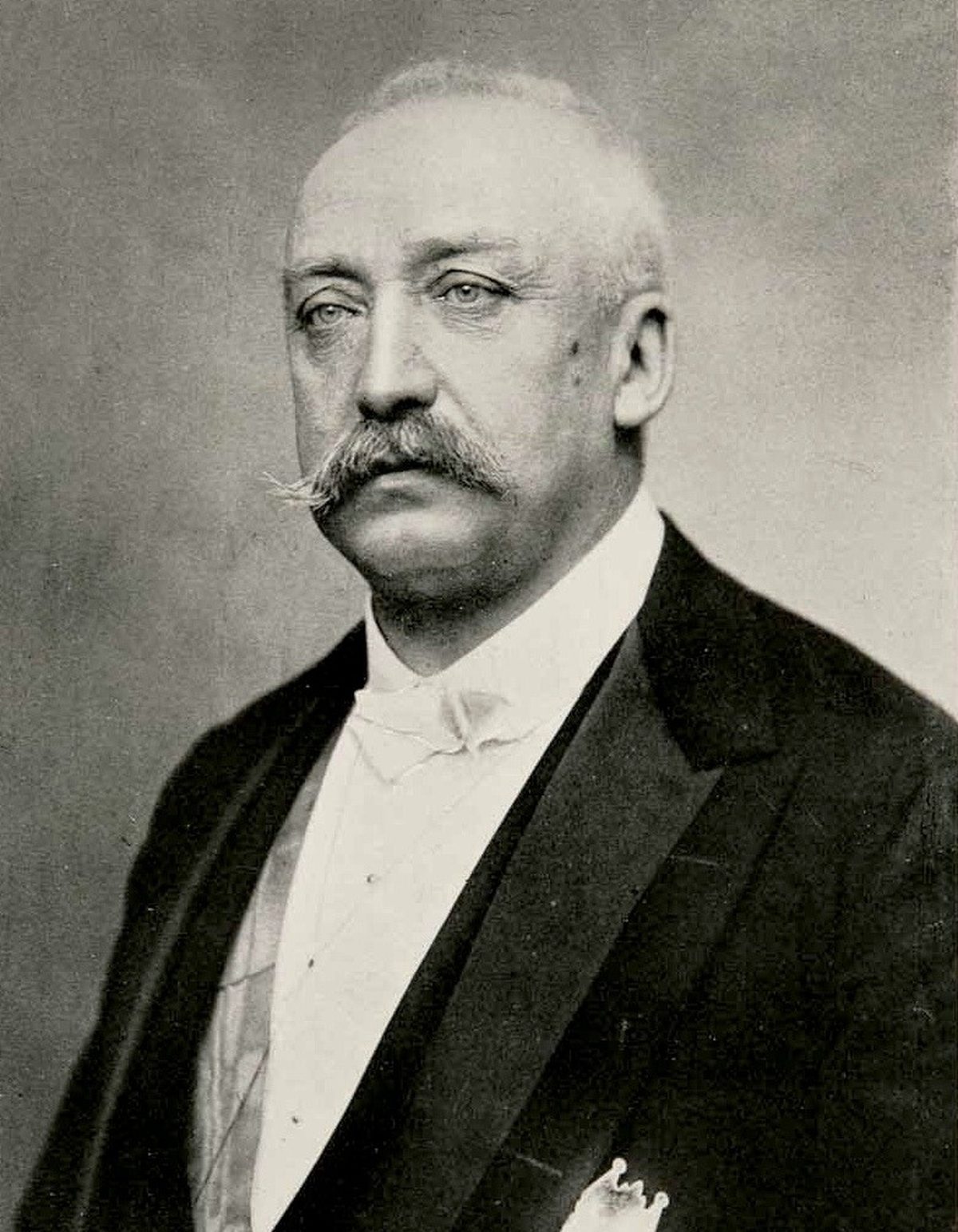
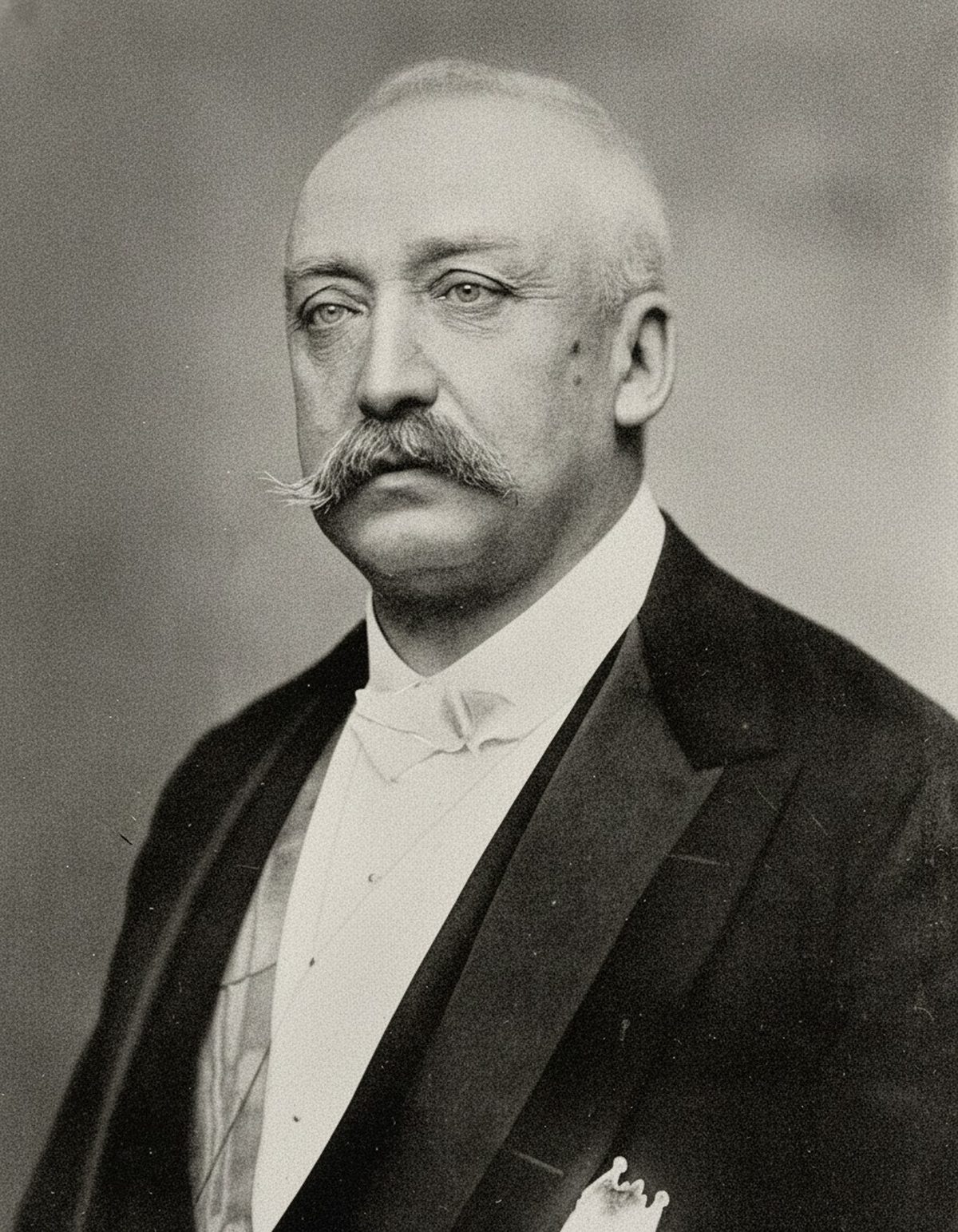
How it works
Upload your photo
Drop in a scan or phone photo of the damaged print. Your original is never touched, and there's no signup.
Preview it free
See the restoration beside your photo in about a minute. Drag the slider and judge it for yourself before you spend a cent.
Keep what you love
Pay only for the results worth keeping, then download them in full resolution.
Preview your photo — freeWhat to know before restoring this photograph
A passport photo was made to satisfy a clerk, not a family: flat frontal light, a fixed stare, and a print small enough to glue into a booklet. Decades later that stern little portrait is sometimes the only photograph of a person that survived a migration — which makes it worth restoring carefully.
Its condition problems are bureaucratic too. Rusting staples bleed into the paper, embossed seals press ridged rings across the face, ink stamps overlap the collar, and the glue that holds the photo to the page stains through from behind.
Do not free the photo from its document. Prying it off tears the paper, and the surrounding page — stamps, visas, dates, handwritten entries — is the evidence of a journey that the portrait alone cannot tell. Scan the intact page at the highest resolution available, then crop digitally.
Because the face may be smaller than a thumbnail, resolution is everything: capture at the finest setting available, focus carefully, and take a second pass zoomed to the portrait itself if your scanner or camera allows it. Every pixel captured now is information the restoration does not have to guess at later.
From there, AI can clarify the small face, lift the paper discoloration, and ease the seal ridges and stamp ink where they cross the portrait, producing a family-history copy that finally looks like a person rather than a formality.
Enlargement carries the usual caveat sharpened by the tiny original: at this scale, fine identity features are partly inferred. Label the cleaned, enlarged portrait as an edited copy and let the untouched document scan remain the reference.
Keep the institutional character while you are at it. The flat light, the plain backdrop, and the guarded expression are the truth of that sitting — a person standing in an office at a consequential moment. A version warmed and softened into a studio portrait stops being a record of that moment at that border.
File the pieces together — full-page scan, portrait crop, restored copy, and a transcription of the stamps and dates — so the face and the journey stay attached to each other.
Preview the portrait cleanup free before deciding anything. If the person emerges clearly enough to share, keep that version and pay for it; the document itself never needed to be touched twice.
Questions about old passport photographs
Is it possible to restore a tiny old passport photo?
Yes, for family-history viewing. AI can clarify the small face, reduce paper yellowing, and produce a warmer, more approachable copy while your full-page scan stays intact. Because the portrait is so small, some fine identity features get inferred rather than truly recovered — and a restored copy is for family use, never as an official or legal document.
Can I use the restored version as an official document?
No — treat it purely as a family-history copy. Restoration can clean and clarify the portrait, but editing changes the record, and any smoothed or rebuilt detail isn’t an authentic identity document. Keep the original page, stamps and all, as your documentary master, and label the cleaned-up portrait clearly as edited.
How much does a restoration cost?
The preview is free. Full-resolution downloads are $7.99 per photo, and the rate drops the more you restore — down to $4.49 each on the largest batches. Each photo includes up to three restoration attempts, and downloads stay available for 30 days.
Is my original scan safe?
Yes. The restoration is a separate file, so your scan stays exactly as it was. Keep the raw scan archived on its own; a fragile, moldy, or flaking print should be handled and captured carefully before you ever upload it.
See what your photo can become
Upload it, preview the restoration free, and keep only the result that feels right.
Preview your photo — free- 3 free previews a month
- No signup
- Ready in minutes
- One payment — nothing to cancel