Restore / immigration photo
Restore an Old Immigration Photo Online
AI can clarify faces, reduce fold lines, and balance a faded print so relatives can compare it with records and later photographs. Do not treat reconstructed text or facial detail as genealogical proof. Edited copies support storytelling, while the raw scan supports research. Keep the untouched scan beside the result.
- 3 free previews a month
- No signup
- Ready in minutes
- One payment — nothing to cancel
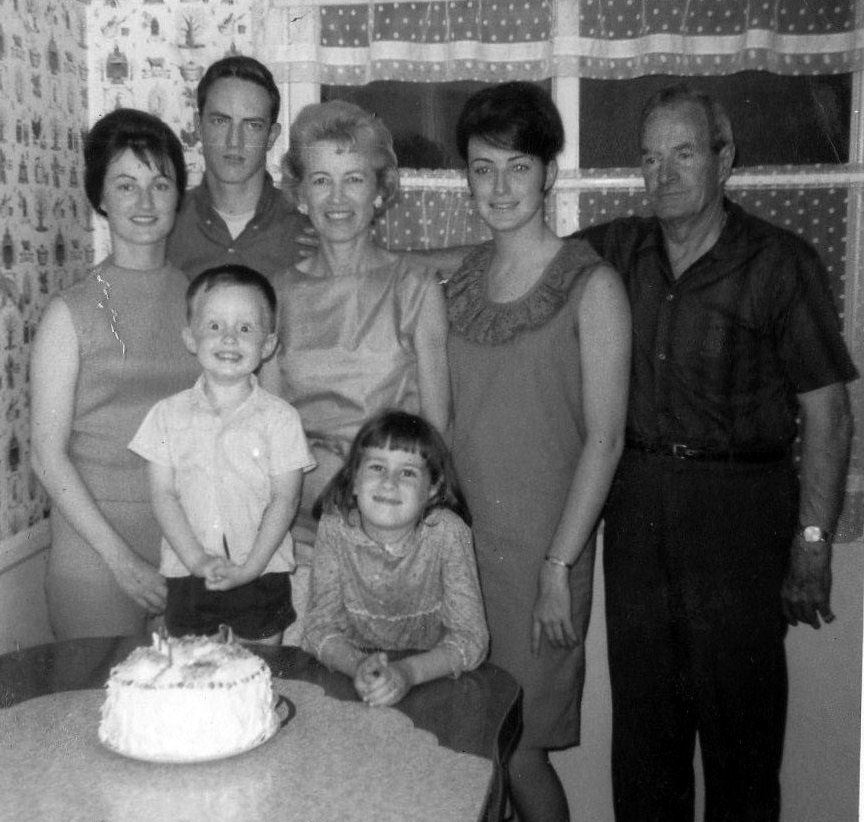
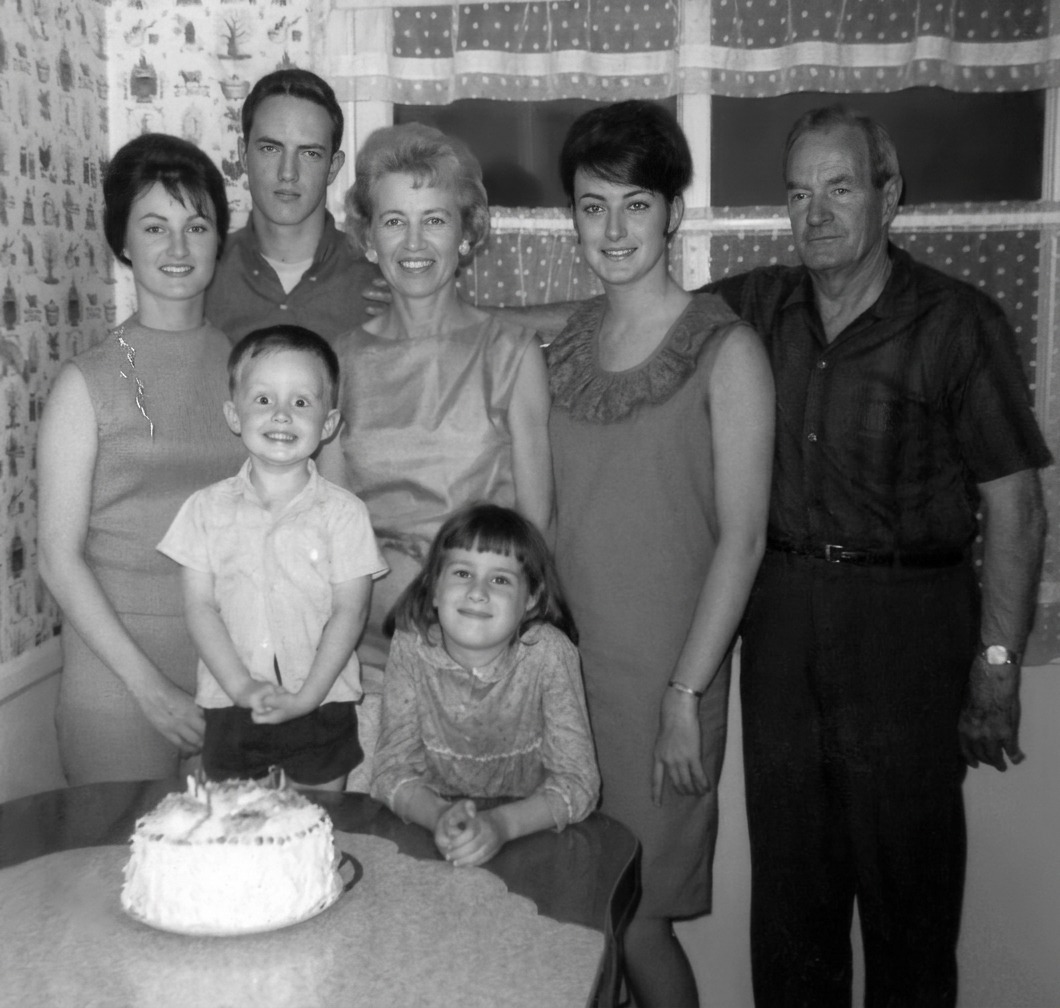
How it works
Upload your photo
Drop in a scan or phone photo of the damaged print. Your original is never touched, and there's no signup.
Preview it free
See the restoration beside your photo in about a minute. Drag the slider and judge it for yourself before you spend a cent.
Keep what you love
Pay only for the results worth keeping, then download them in full resolution.
Preview your photo — freeWhat to know before restoring this photograph
Some family photographs are also documents, and immigration pictures are the clearest case. A small identification portrait, a studio card mailed across an ocean, a dockside group — these often carry stamps, seals, borders, and handwriting in more than one language, and that apparatus can prove things the face alone cannot.
So the first rule is preservation of context over polish. A trimmed border or a cleaned-away stamp may look tidier, but it can erase the route, the date, or the issuing office — precisely the details a descendant later needs to match the picture to a manifest or a naturalisation file.
Capture front and back at high resolution before anything else, and transcribe every word exactly as written, including what you cannot read confidently — marked as unread rather than guessed. The transcription belongs with the scan from day one.
Restoration then has a clear lane: steadying a worn face, relaxing the travel folds that crease so many mailed prints, and lifting fading so the person can be compared against later photographs and against relatives alive today. Those comparisons are the practical payoff — a face that reads clearly makes the family resemblance argument possible.
Text and officialdom stay off-limits for reconstruction. A blurred stamp, a faded seal, a line of foreign script the software sharpens into legibility has not been recovered; it has been rewritten, and rewritten official detail is worse than none because it looks citable.
Make two exports with two jobs: a cropped, cleaned portrait for telling the story, and the complete untouched object — border, stamps, reverse — for doing the research. Never let the storytelling copy circulate as if it were the record.
Where the print is a formal document photo, expect modest gains: such pictures were small and often harshly lit to start with, and the aim is legibility of the person, not studio-portrait beauty. If the goal is a clearer likeness for the family wall, work from the largest print that survives instead.
Keep the original in stable storage after capture, since paper that has already crossed an ocean folded in an envelope rarely has much flex left in it.
The preview is free and works from the duplicate, so testing costs nothing: see whether the face steadies and the folds calm, export the copy if it helps the story, and let the full scan go on carrying the proof.
Questions about historic immigration photographs
Will AI restore a faded immigration or naturalization photo?
Yes — AI can clarify worn faces, ease the travel folds, and even out a faded print so you can line the person up against passenger lists, later portraits, and family records. What it fills in on a damaged stamp, script, or blurred face is a plausible reconstruction, though, not a document you can cite as proof. Keep the raw scan for the research and use the cleaned copy for sharing the story.
Can I remove the border, stamps, or writing to clean it up?
It's better not to. A border, a foreign stamp, or a penciled note on an immigration photo often carries the route, date, or identity the face alone can't prove. Scan the front and back and transcribe any writing first, then make a separate cropped copy for sharing — keeping the full object as your record.
How much does a restoration cost?
The preview is free. Full-resolution downloads are $7.99 per photo, and the rate drops the more you restore — down to $4.49 each on the largest batches. Each photo includes up to three restoration attempts, and downloads stay available for 30 days.
Will running this change or damage the photo I upload?
It never touches the file you keep. The editor generates a new restored version and leaves your uploaded scan intact. Save that original under its own filename and note anywhere the restoration rebuilt missing detail.
See what your photo can become
Upload it, preview the restoration free, and keep only the result that feels right.
Preview your photo — free- 3 free previews a month
- No signup
- Ready in minutes
- One payment — nothing to cancel