Restore / grandparents portrait
Restore a Portrait of Your Grandparents
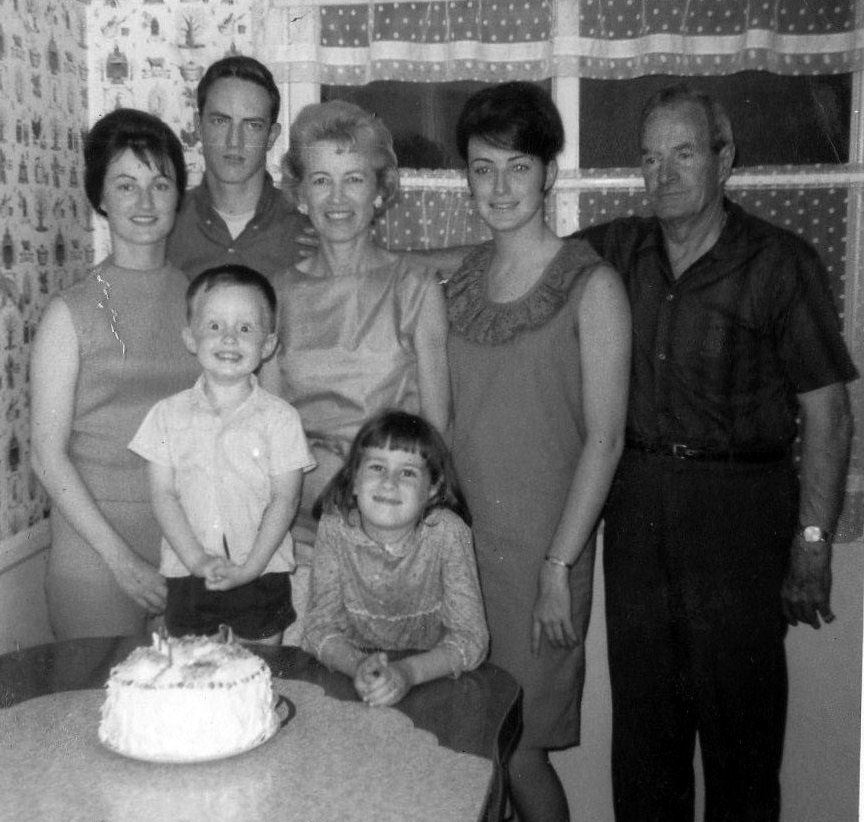
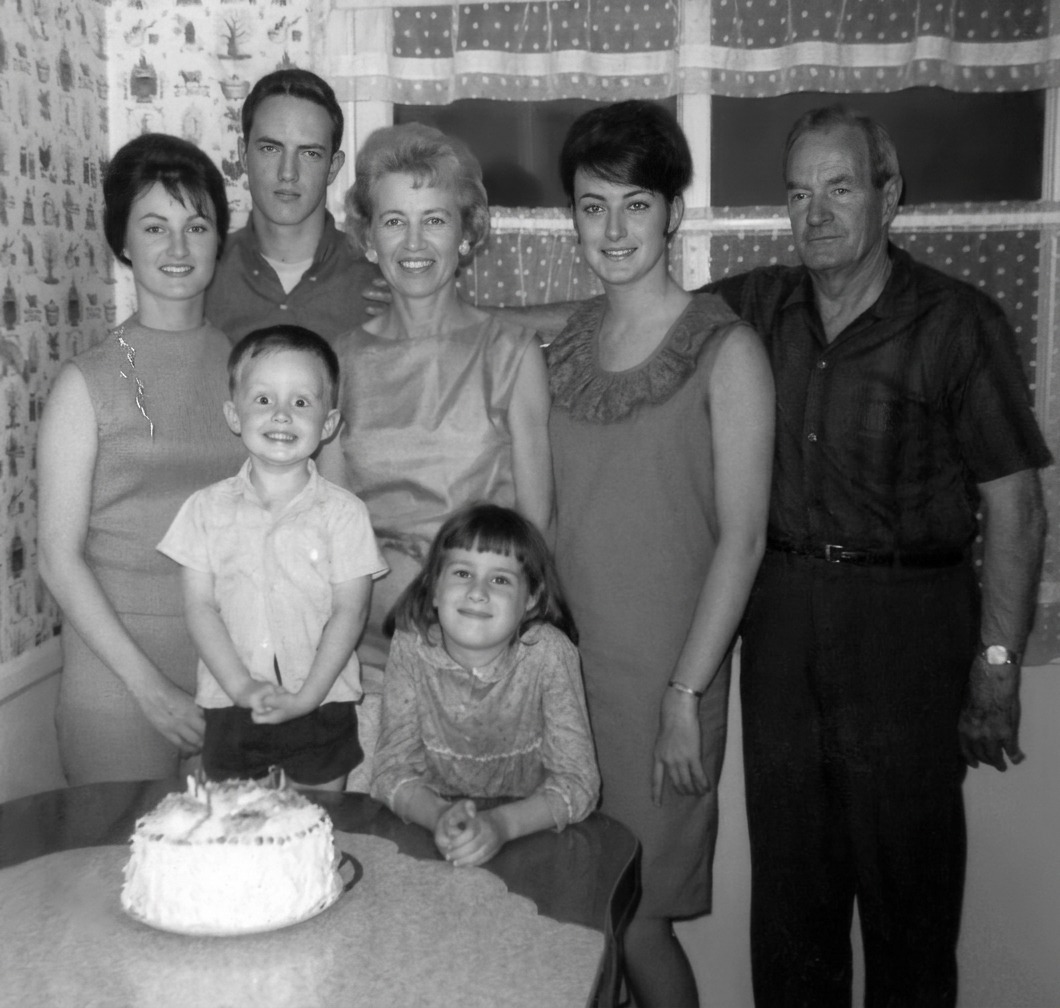
AI can mend small defects, recover contrast, and create a clean sharing version while allowing the strongest original features to guide the result. Treat major facial reconstruction as a draft to review with family. One polished output should not silently replace better documentary variants. Keep the untouched scan beside the result.
- 3 free previews a month
- No signup
- Ready in minutes
- One payment — nothing to cancel
How it works
Upload your photo
Drop in a scan or phone photo of the damaged print. Your original is never touched, and there's no signup.
Preview it free
See the restoration beside your photo in about a minute. Drag the slider and judge it for yourself before you spend a cent.
Keep what you love
Pay only for the results worth keeping, then download them in full resolution.
Preview your photo — freeWhat to know before restoring this photograph
There is a simple test for a restored portrait of your grandparents: does the person who knew them longest recognise them instantly, without a flicker of doubt? It is a higher bar than technical cleanliness, and it changes which draft you should keep.
Recognition lives in odd places — the way glasses sat on the nose, a hairline, the habitual tilt of a head, the posture in a chair. Smooth facial detail is almost beside the point, which is why a technically beautiful draft can still fail the family while a quieter one succeeds.
These portraits usually exist in more than one copy: a framed enlargement at one house, a wallet print at another, a differently cropped duplicate in an album. Gather what survives and compare before choosing a source — the least faded copy, or the one with the widest framing, may not be the one you happened to inherit.
Scan the chosen print at 600 dpi with any inscription, and let the AI do the surface work it is good at: mending small tears and spots, recovering the studio contrast, evening the fade. Handled that way, the strongest surviving features stay in charge of the face rather than being repainted.
Where damage reaches into the features themselves, slow down. A rebuilt eye or mouth is an inference, and with a face this familiar, an inference that is slightly off reads as wrong even when nobody can say why. Prefer the gentler draft; softness is more honest than a confident guess.
Then actually run the test: put the draft in front of a relative without commentary, next to the original, and listen. People who loved the sitter notice altered expressions faster than any inspection you can do alone.
Cropped copies have a second use — comparing your restored version against a cousin's differently framed print can confirm that a repaired region matches what the other copy recorded, which is the nearest thing to ground truth these photographs offer.
Keep the untouched scan as the family's reference copy, together with a short note of what was repaired. The restored version is for frames, mantels, and sharing; the original file is for settling questions later.
The preview is free, so the sensible path is to try the gentlest version first, show it to the people who remember, and pay only for the export everyone agrees still looks like them.
Questions about grandparents’ portraits
Will AI restore an old portrait of my grandparents?
Yes, and recognizability is the priority. AI can mend small defects, recover contrast, and produce a clean sharing copy while letting the strongest surviving features guide the face rather than reinventing it. Larger facial reconstruction should be treated as a draft to look over with family — relatives notice altered expressions, glasses, and hairlines instantly, so the untouched scan stays the reference.
Will my grandparents still look like themselves afterward?
That’s exactly what to watch for. Recognition depends on more than smooth skin — posture, glasses, a hairline, a familiar expression — so AI should lean on the clearest original features, not fill in a plausible stranger. Compare surviving copies first, restore from the least faded one, and review any major facial change with someone who knew them well.
How much does a restoration cost?
The preview is free. Full-resolution downloads are $7.99 per photo, and the rate drops the more you restore — down to $4.49 each on the largest batches. Each photo includes up to three restoration attempts, and downloads stay available for 30 days.
Does the restorer edit my original photo?
No. You upload a digital copy and the AI works only on that copy — the physical photo and your original scan are never altered. Store the untouched scan separately so you always have it to compare against.
See what your photo can become
Upload it, preview the restoration free, and keep only the result that feels right.
Preview your photo — free- 3 free previews a month
- No signup
- Ready in minutes
- One payment — nothing to cancel