Restore / family reunion photo
Restore an Old Family Reunion Photo
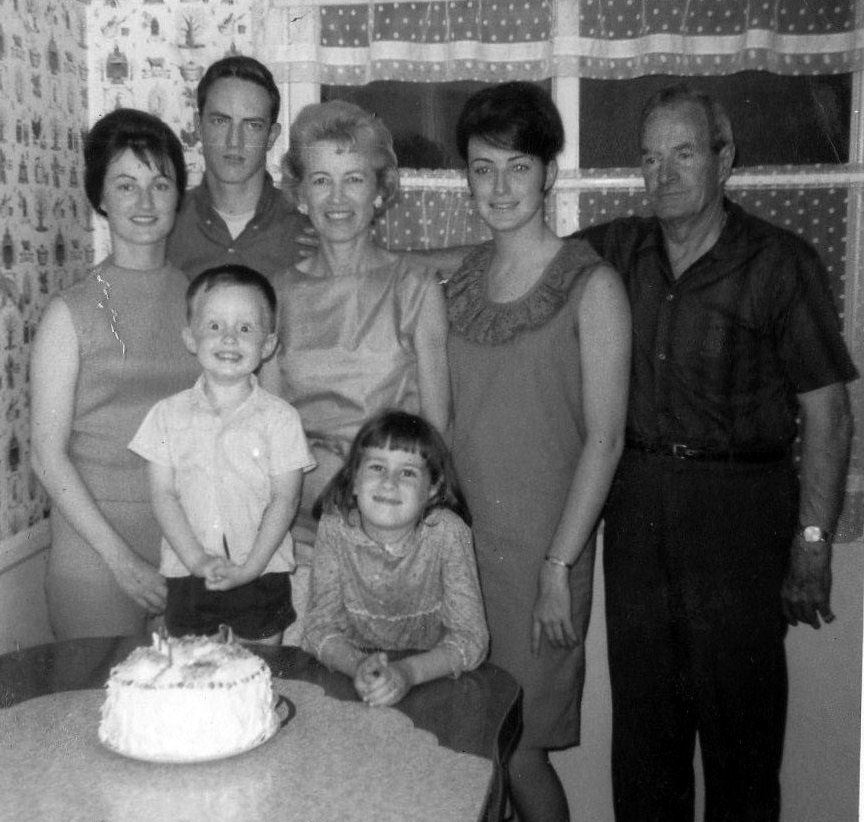
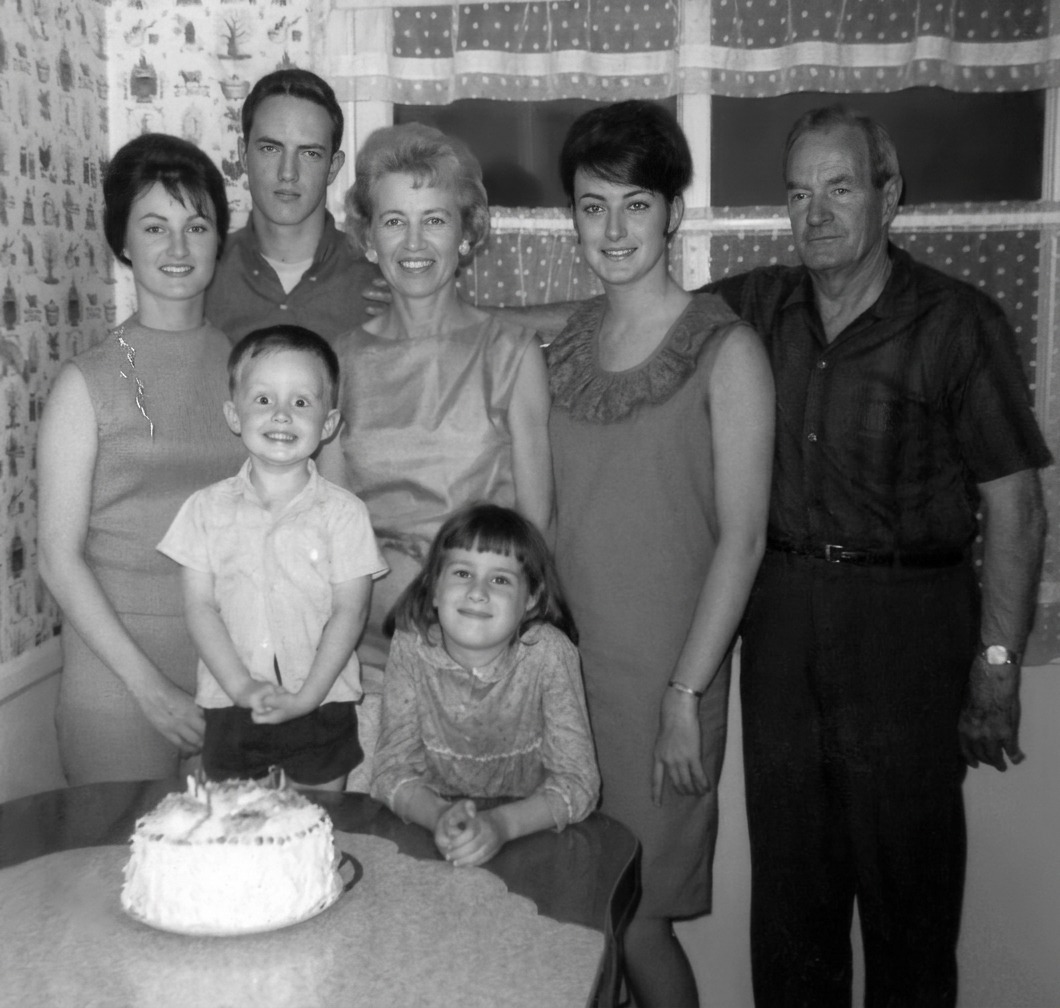
AI can even out fading, reduce handling marks, and clarify a crowded group so more faces read clearly. Small or distant faces hold limited detail, and reconstructed features are plausible fills, not records. Keep edits gentle so relatives stay recognizable. Keep the untouched scan beside the result.
- 3 free previews a month
- No signup
- Ready in minutes
- One payment — nothing to cancel
How it works
Upload your photo
Drop in a scan or phone photo of the damaged print. Your original is never touched, and there's no signup.
Preview it free
See the restoration beside your photo in about a minute. Drag the slider and judge it for yourself before you spend a cent.
Keep what you love
Pay only for the results worth keeping, then download them in full resolution.
Preview your photo — freeWhat to know before restoring this photograph
Reunion prints live hard lives. They get folded into envelopes and mailed to relatives, passed around at the next gathering, and pinned to corkboards, so the typical copy arrives with fold creases, corner wear, and handling grime on top of ordinary fading. Before any cleanup, that history is worth photographing exactly as it stands.
They are also wide and deep. The front row stands close to the camera while great-aunts and cousins recede toward a porch or a tree line, which means face size and sharpness fall off row by row. No restoration changes that geometry; a good one works within it.
Capture the print flat at 600 dpi or better, and include the margins — reunion photos are exactly the kind where someone has written names, a family branch, or a date along the border, and that handwriting is often worth more than the image quality.
The AI's reliable contribution is evenness: settling the patchy fading, relaxing the fold lines so they stop cutting through bodies, and lifting the dim areas so the whole crowd reads at once. Evenness matters more here than sharpness — a group where the centre gleams and the edges stay murky looks worse than the original.
Distant faces deserve deliberate restraint. A figure ten rows back carries only a little genuine detail, and pushing clarity there produces invented features. Let the small faces improve modestly and stay believable rather than become sharp strangers.
Verifying who is who is a family project, not a software output. Match the border names against the rows with relatives who were there, and record the identifications in a note beside the file — the picture's value doubles when the names survive with it.
After the group version is agreed, cut individual crops for each household from the full-resolution restored file, so every branch gets a usable image of their own people without rescanning.
Store the original print unfolded from now on, flat in a photo-safe sleeve; the digital repair does not need to be repeated, but the paper should not be asked to survive another decade of folding.
The preview is free and the uploaded scan is never altered, so the only genuine decision is whether the evened-out crowd earns an export — and which branch of the family gets its copy first. Kept next to the untouched capture and the list of names, it becomes the version everyone points at.
Questions about family reunion photographs
Can you restore a large group or reunion photo?
Yes. AI can even out patchy fading, reduce creases from folding, and clarify a crowded frame so more people read clearly. The limit is detail that was never captured: very small or distant faces hold little information, so those areas get a gentle, believable improvement rather than invented sharpness.
Some faces in the group are tiny — can they be made recognizable?
Only up to a point. AI can lift contrast and clarity so a small face reads better, but it can’t manufacture detail the scan never held, so a distant figure stays approximate. Scanning at a high resolution first gives every face the best chance, and it’s honest to keep those areas conservative.
How much does a restoration cost?
The preview is free. Full-resolution downloads are $7.99 per photo, and the rate drops the more you restore — down to $4.49 each on the largest batches. Each photo includes up to three restoration attempts, and downloads stay available for 30 days.
What happens to the photo I upload?
It becomes the reference for a new restored copy and is left unchanged. Your job is to keep that original scan safe and labeled so you can always see what was real versus what the AI rebuilt.
See what your photo can become
Upload it, preview the restoration free, and keep only the result that feels right.
Preview your photo — free- 3 free previews a month
- No signup
- Ready in minutes
- One payment — nothing to cancel