Restore / childhood photo
Restore Old Childhood Photos Online
AI can reduce scratches and color shifts, clarify the face, and balance harsh flash while retaining the surrounding cues of time and place. Mild blur and tiny eyes invite over-invention. Compare the draft with neighboring photos from the same year before accepting reconstructed features. Keep the untouched scan beside the result.
- 3 free previews a month
- No signup
- Ready in minutes
- One payment — nothing to cancel
How it works
Upload your photo
Drop in a scan or phone photo of the damaged print. Your original is never touched, and there's no signup.
Preview it free
See the restoration beside your photo in about a minute. Drag the slider and judge it for yourself before you spend a cent.
Keep what you love
Pay only for the results worth keeping, then download them in full resolution.
Preview your photo — freeWhat to know before restoring this photograph
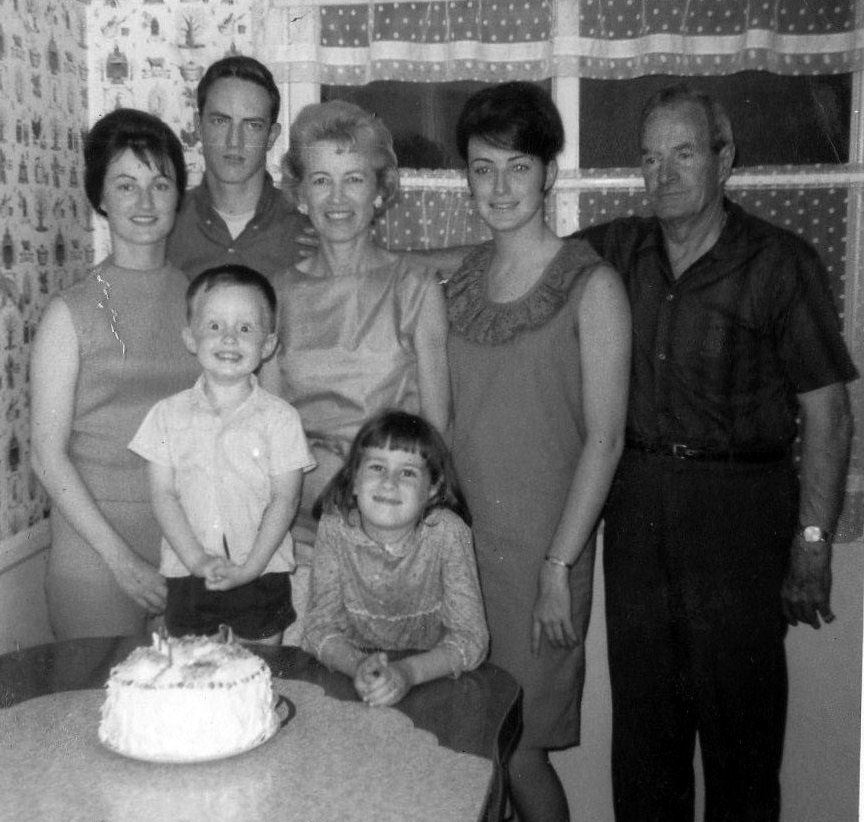
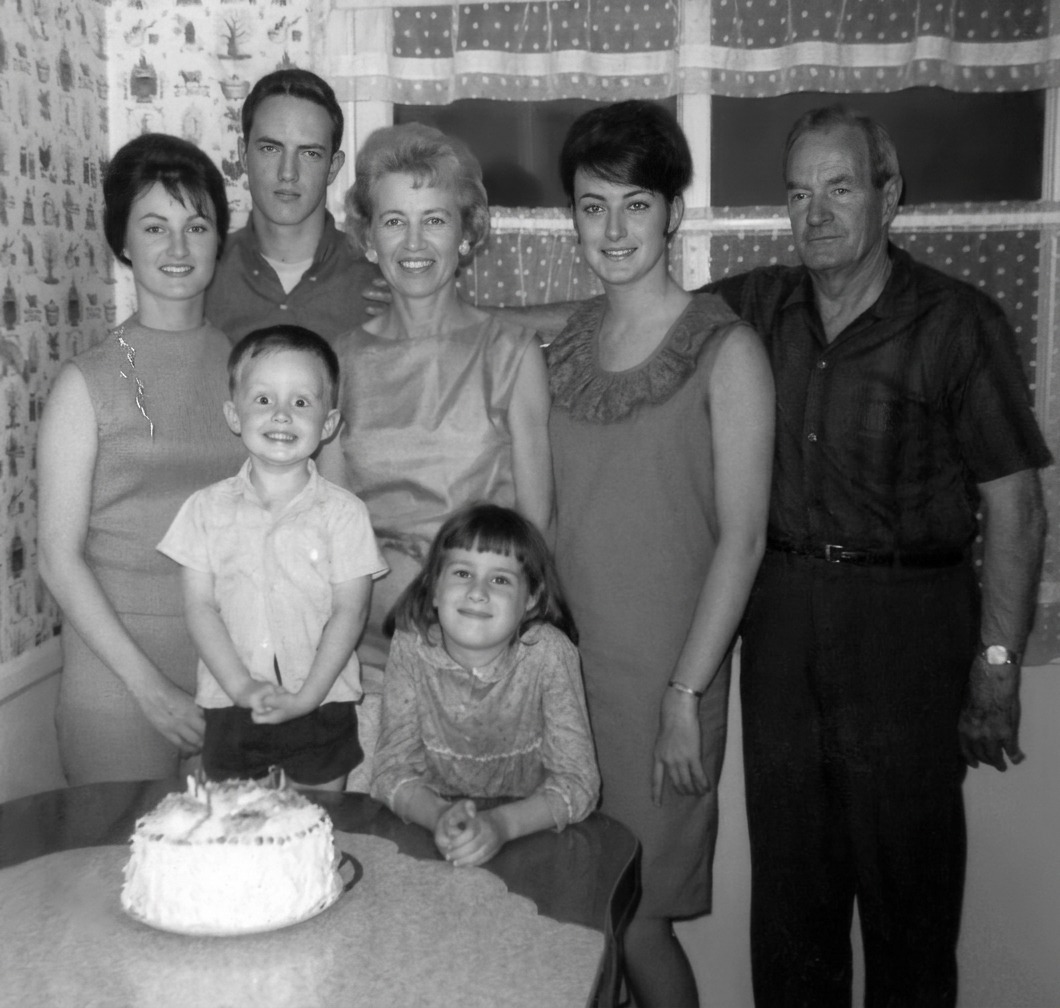
What makes a childhood photograph worth restoring is rarely just the child. It is the inflatable pool, the wallpaper, the bicycle, the birthday cake with the wrong number of candles — the ordinary objects that pin the picture to a year and a house. A rewrite of the background costs more here than on any formal portrait.
So set the priority before uploading: the aim is to clear the damage without editing the scene. Cropping toward the face can throw away the room that unlocks the memory, and heavy enhancement can quietly turn a specific, familiar kid into a generic one. Keep siblings and clutter at the edges in the frame.
Most of these pictures are casual prints — square drugstore formats, harsh on-camera flash, colours that have drifted with the decades. Scan the whole print and its reverse at 600 dpi, crop nothing on the master, and let any tighter framing happen on a copy.
The AI's dependable work here is surface and tone: easing scratches and album wear, settling the colour drift, and softening the hard flash shadows so the scene reads the way the room actually felt. All of that improves legibility without touching what the photograph says.
The face is where judgment enters. If it was reasonably sharp in the original, cleanup keeps the child recognisable. If it is small and blurred, the software has little to anchor on and will invent a plausible child instead — slightly wrong in ways a parent or sibling feels immediately, even when they cannot name the difference.
There is a specific check for that: hold the draft next to other photographs of the same child from the same year or two. School pictures and neighbouring album pages make good references. If the restored face would not pass that comparison, ask for a lighter touch or keep the original softness.
Leave honest wear alone when removing it risks meaning. A scuff across lawn is worth erasing; a mark across a face, a written date, or the toy that identifies the summer is worth leaving if the repair would have to guess.
View the result larger than a phone screen before deciding — over-brightening and waxy smoothing tend to hide on a small display and show up badly in a print.
Trying it costs nothing: the preview is free, the upload is never modified, and payment happens only when you export a copy. The version worth keeping is the one that still reads as the same kid in the same backyard, just easier to see.
Questions about childhood photographs
Can you restore an old childhood photo without making the kid look like a stranger?
That's the whole aim of a careful pass — AI can ease scratches, correct color shifts, calm a harsh flash, and sharpen the face while keeping the toys, clothes, and background that make the picture recognizably that child. The risk is a small, blurry face: with little to work from, AI can smooth it into a generic child. Ask for a light touch and check the result against another photo from the same year.
The child's face is small and a little blurry — will it come back sharp?
Partly. If the underlying features survived, AI can firm them up nicely; if they were never really recorded, it fills the gap with a plausible face rather than the real one. Keep the change modest and hold the draft next to a clearer photo of the same child so you can tell a true repair from an invented one before you keep it.
How much does a restoration cost?
The preview is free. Full-resolution downloads are $7.99 per photo, and the rate drops the more you restore — down to $4.49 each on the largest batches. Each photo includes up to three restoration attempts, and downloads stay available for 30 days.
Is my original scan safe?
Yes. The restoration is a separate file, so your scan stays exactly as it was. Keep the raw scan archived on its own; a fragile, moldy, or flaking print should be handled and captured carefully before you ever upload it.
See what your photo can become
Upload it, preview the restoration free, and keep only the result that feels right.
Preview your photo — free- 3 free previews a month
- No signup
- Ready in minutes
- One payment — nothing to cancel