Restore / carte de visite
Restore a Carte de Visite (CDV) Photo
AI can ease fading, reduce foxing and album marks, and steady contrast on a small carte de visite while keeping its period character. Reconstructed faces on such a small print are plausible fills, not records. Preserve the mount, studio imprint, and revenue stamps as provenance. Keep the untouched scan beside the result.
- 3 free previews a month
- No signup
- Ready in minutes
- One payment — nothing to cancel
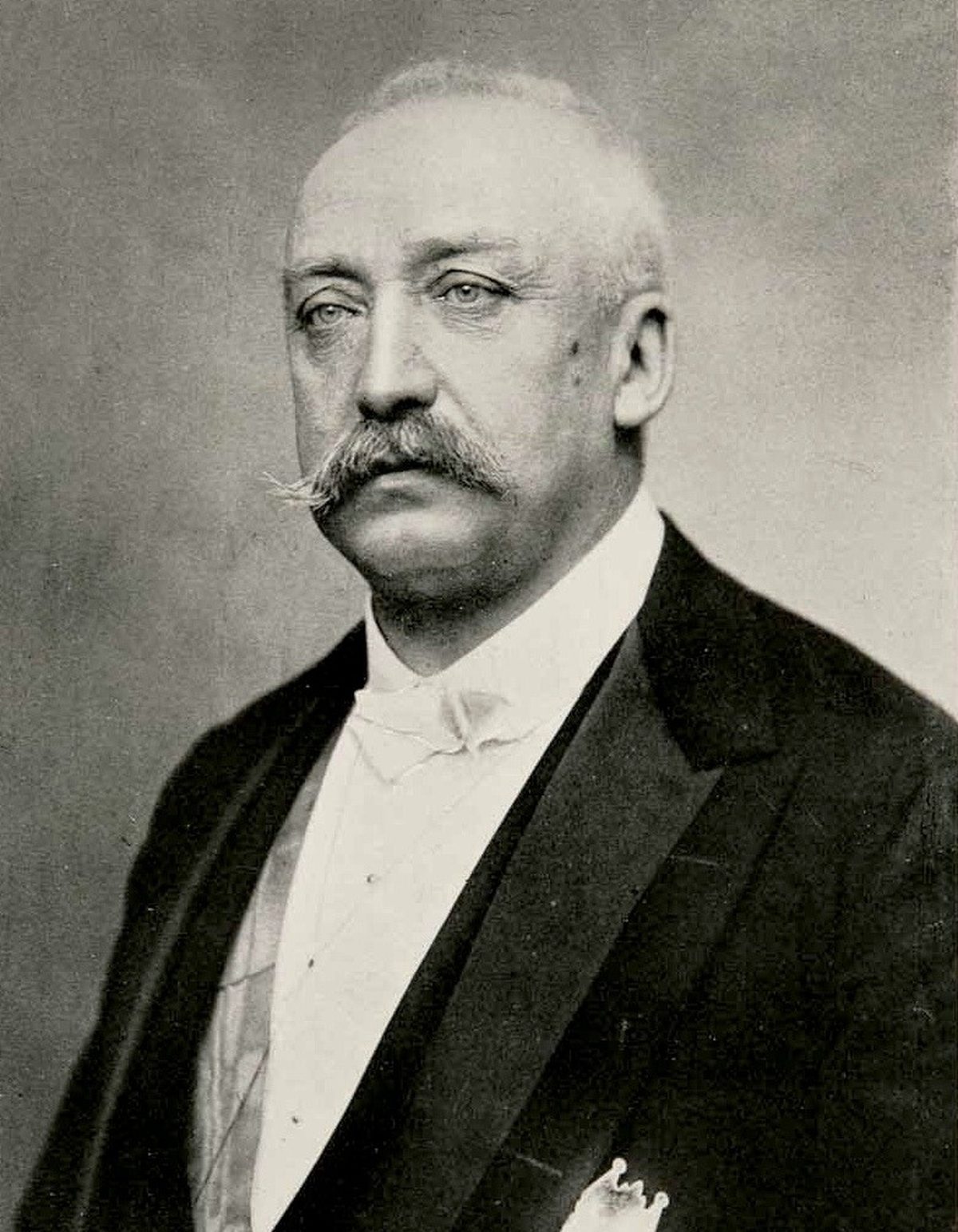
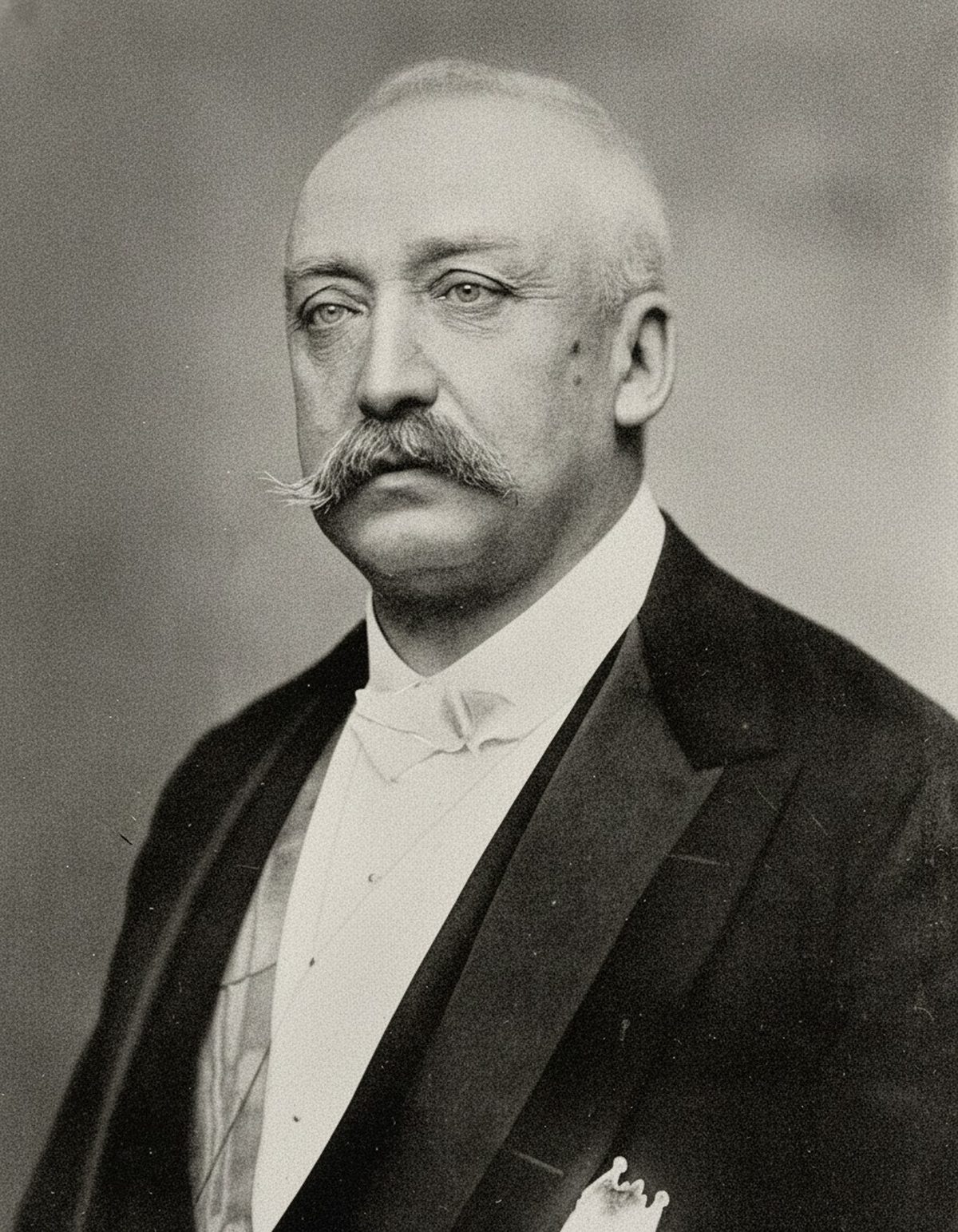
How it works
Upload your photo
Drop in a scan or phone photo of the damaged print. Your original is never touched, and there's no signup.
Preview it free
See the restoration beside your photo in about a minute. Drag the slider and judge it for yourself before you spend a cent.
Keep what you love
Pay only for the results worth keeping, then download them in full resolution.
Preview your photo — freeWhat to know before restoring this photograph
The carte de visite was photography's first mass product: a small albumen print pasted to a calling-card mount, made in batches from multi-lens negatives and traded, mailed, and collected by the dozen. The same portrait can therefore survive in more than one family's album — a fact worth using.
Size defines everything about restoring one. The whole figure often stands smaller than a playing card, so an entire face may occupy just a few millimetres of albumen. Layer on the format's usual aging — yellowed highlights, foxing across the mount, corners rounded soft by generations of thumbs, and the glue shadows left by old album mounts — and there is very little clean image area to begin with, which is why careful capture matters more here than almost anywhere.
Scan both sides at the highest optical resolution available. The verso frequently carries the studio's imprint, a pencilled name, or a small revenue stamp, and those marks — not the image — are usually what dates the card and places it in a city.
If the card is still seated in a period album, photograph the page before extracting anything, and prefer leaving it seated. Antique album pages tear at the corner slots, and the card's position among its neighbours is itself a family record.
On the image, AI works well against the format's chemical aging: easing the yellow cast, reducing foxing and album marks, and steadying the flat contrast so the small figure separates from the studio backdrop again.
Enlargement is where honesty matters most. Blown up, a face recorded at that scale gains most of its apparent new detail from inference, so treat any big cleaned-up portrait as an interpretation and keep the modest original-size scan as the reference copy.
Before accepting a reconstructed face, hunt for the other copies first. These cards were printed in multiples from a single sitting and handed out freely, so a cousin's album or a local historical society may hold the same pose in better condition — and a genuine second print always outranks even the most convincing digital fill.
Preserve the ensemble in your files: image scan, verso scan, a transcription of imprint and inscriptions, and a note on which album and page it came from. Detached from those, a carte de visite becomes an anonymous stranger again.
The free preview will show how much steadier and cleaner the little portrait can read; pay only if you choose to keep the result, and let the untouched scans stay in the record beside it.
Questions about carte de visite photographs
Can a tiny carte de visite photo be restored?
Yes, within the limits of its size. Scanning at a high resolution first gives the small albumen image the best chance, and AI can then ease the sepia fading, reduce foxing, and rebuild contrast so the portrait reads more clearly. Detail the small print never held gets a believable improvement rather than invented sharpness.
Why should I keep the card mount and any stamps?
Because they help date and place the photo. Carte de visite mounts often carry a studio imprint, and some have revenue stamps that pin them to the 1860s. Those markings are part of the historical record, so scan the full card and let the restoration clean the portrait while leaving the mount and stamps intact.
How much does a restoration cost?
The preview is free. Full-resolution downloads are $7.99 per photo, and the rate drops the more you restore — down to $4.49 each on the largest batches. Each photo includes up to three restoration attempts, and downloads stay available for 30 days.
What happens to the photo I upload?
It becomes the reference for a new restored copy and is left unchanged. Your job is to keep that original scan safe and labeled so you can always see what was real versus what the AI rebuilt.
See what your photo can become
Upload it, preview the restoration free, and keep only the result that feels right.
Preview your photo — free- 3 free previews a month
- No signup
- Ready in minutes
- One payment — nothing to cancel