Restore / cabinet card
Restore a Victorian Cabinet Card Photo
AI can ease fading, reduce foxing and surface marks, and steady contrast on a cabinet card while keeping its studio character. Reconstructed faces and fine detail are plausible fills, not documentation. Preserve the mount, studio imprint, and any inscription as part of the record. Keep the untouched scan beside the result.
- 3 free previews a month
- No signup
- Ready in minutes
- One payment — nothing to cancel
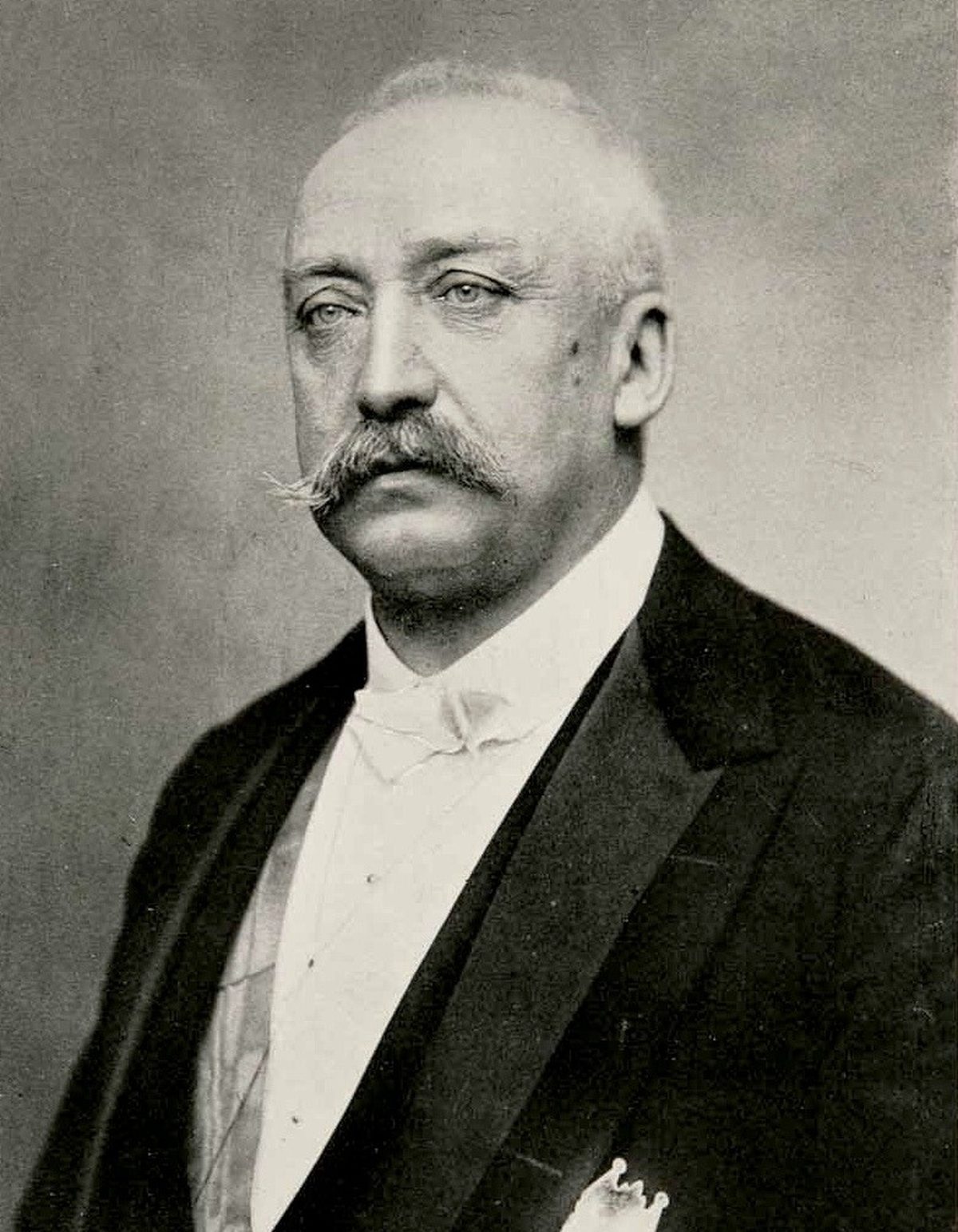
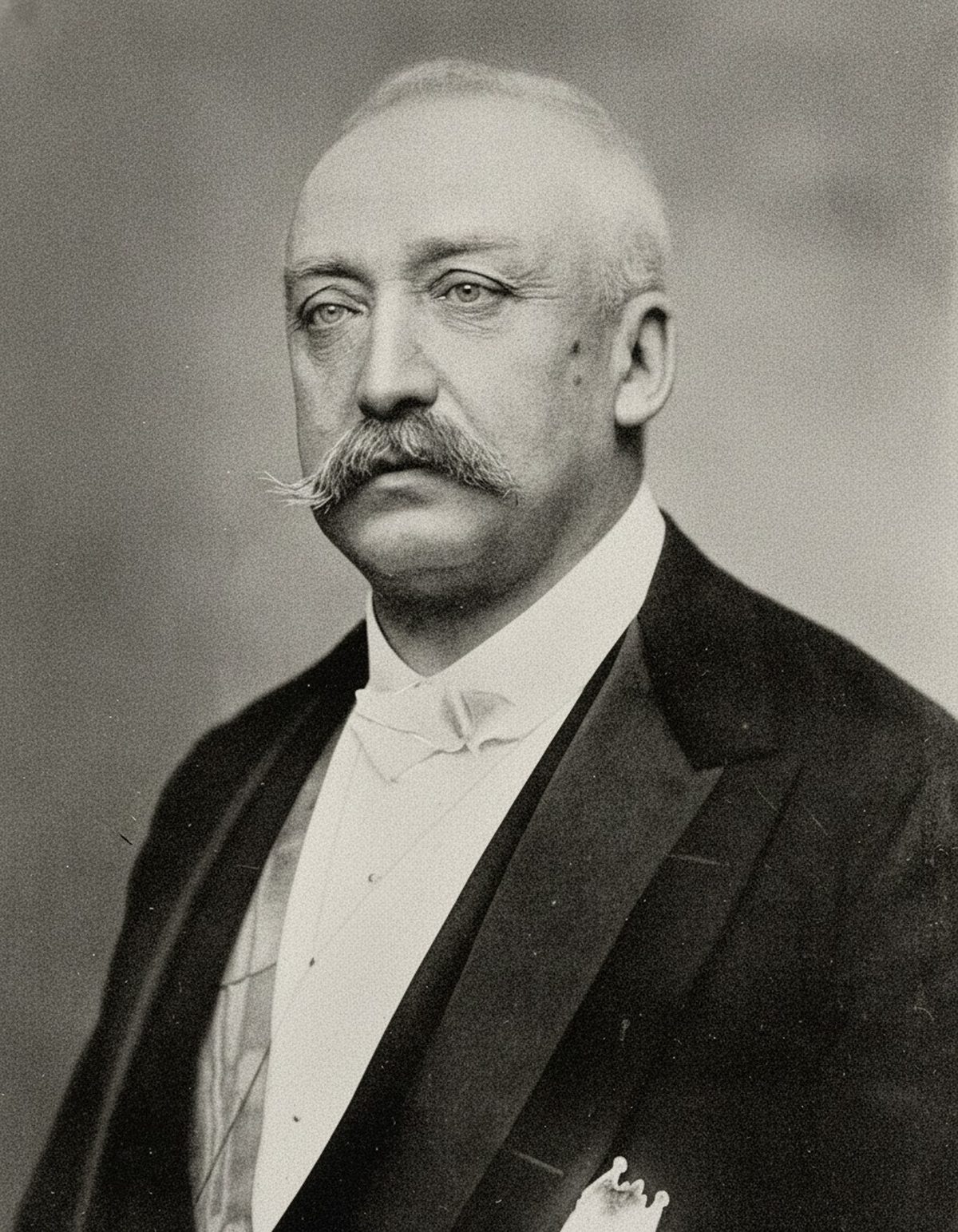
How it works
Upload your photo
Drop in a scan or phone photo of the damaged print. Your original is never touched, and there's no signup.
Preview it free
See the restoration beside your photo in about a minute. Drag the slider and judge it for yourself before you spend a cent.
Keep what you love
Pay only for the results worth keeping, then download them in full resolution.
Preview your photo — freeWhat to know before restoring this photograph
A cabinet card is really two objects glued together: a thin albumen print — paper coated with egg-white and light-sensitive silver — mounted on a stiff decorated board sturdy enough to stand on a parlor shelf. Each layer ages on its own schedule, and each fails in its own way.
The albumen yellows first in the highlights, giving old cards their honeyed cast, and dense shadow areas can develop a faint metallic sheen where silver has migrated to the surface. The board contributes foxing — scattered brown mold-driven spotting — along with chipped corners and, on unlucky cards, a crack running straight through the sitter.
Scan the whole card at 600 dpi, front and back. The photographer's imprint below the image and any advertising on the reverse can tie the portrait to a town and a studio, which is frequently the only dating evidence a family has left.
Never soak or peel the print off its mount in the name of rescue. The albumen layer is thinner than it looks, the mount is part of the object's identity, and everything a restoration needs can be taken from the scan.
AI is at its best against the chemistry-driven flaws: cooling the yellow cast, subduing foxing, quieting the shadow sheen, and restoring the tonal separation that once let studio lighting model a face. The result should still read as an albumen portrait, not a modern reprint of one.
Reconstruction is the more guarded territory. Where a crack or abrasion crosses an eye or a mouth, the fill is a plausible drawing informed by the surrounding face — compare it with other photographs of the person before letting it stand as documentation.
Remember that cabinet-card sitters held still through long exposures, which is why their expressions look composed rather than candid. Leave that stillness alone; softening a mouth or brightening eyes quietly rewrites the person.
Decide early how much of the mount belongs in the finished version. The cleaned image presented on its scanned original board keeps the object's identity; a tight crop reads as a picture of a person instead. Many families export both and use them differently.
When the scan is ready, run the free preview and compare it against the raw capture side by side. Keep and pay for the version only if the card genuinely reads better, and store the studio imprint transcription with both files.
Questions about cabinet card photographs
Can an old cabinet card photo be restored?
Yes. Scan the whole card, mount and imprint included, and AI can ease the fading, reduce brown foxing spots, and rebuild gentle contrast so the portrait reads more clearly—while keeping the Victorian studio character. Very fine detail that the aging print no longer holds gets a believable improvement rather than invented sharpness.
Should I scan the studio name and card mount too?
Yes. The printed studio name, the card stock, and any handwritten note are part of the object’s provenance and often the only clue to where and when it was made. Scan the full card so those details are preserved, and let the restoration clean the portrait while leaving the mount and imprint intact.
How much does a restoration cost?
The preview is free. Full-resolution downloads are $7.99 per photo, and the rate drops the more you restore — down to $4.49 each on the largest batches. Each photo includes up to three restoration attempts, and downloads stay available for 30 days.
What happens to the photo I upload?
It becomes the reference for a new restored copy and is left unchanged. Your job is to keep that original scan safe and labeled so you can always see what was real versus what the AI rebuilt.
See what your photo can become
Upload it, preview the restoration free, and keep only the result that feels right.
Preview your photo — free- 3 free previews a month
- No signup
- Ready in minutes
- One payment — nothing to cancel