Restore / 35mm slide
Restore Scanned 35mm Slides Online
AI can reduce residual dust, recover local contrast, and rebalance color while drawing detail from the relatively information-rich film scan. Clipped highlights and dense shadows may contain little usable scan data. Cardboard mounts or active fungus need careful physical handling outside the editor. Keep the untouched scan beside the result.
- 3 free previews a month
- No signup
- Ready in minutes
- One payment — nothing to cancel
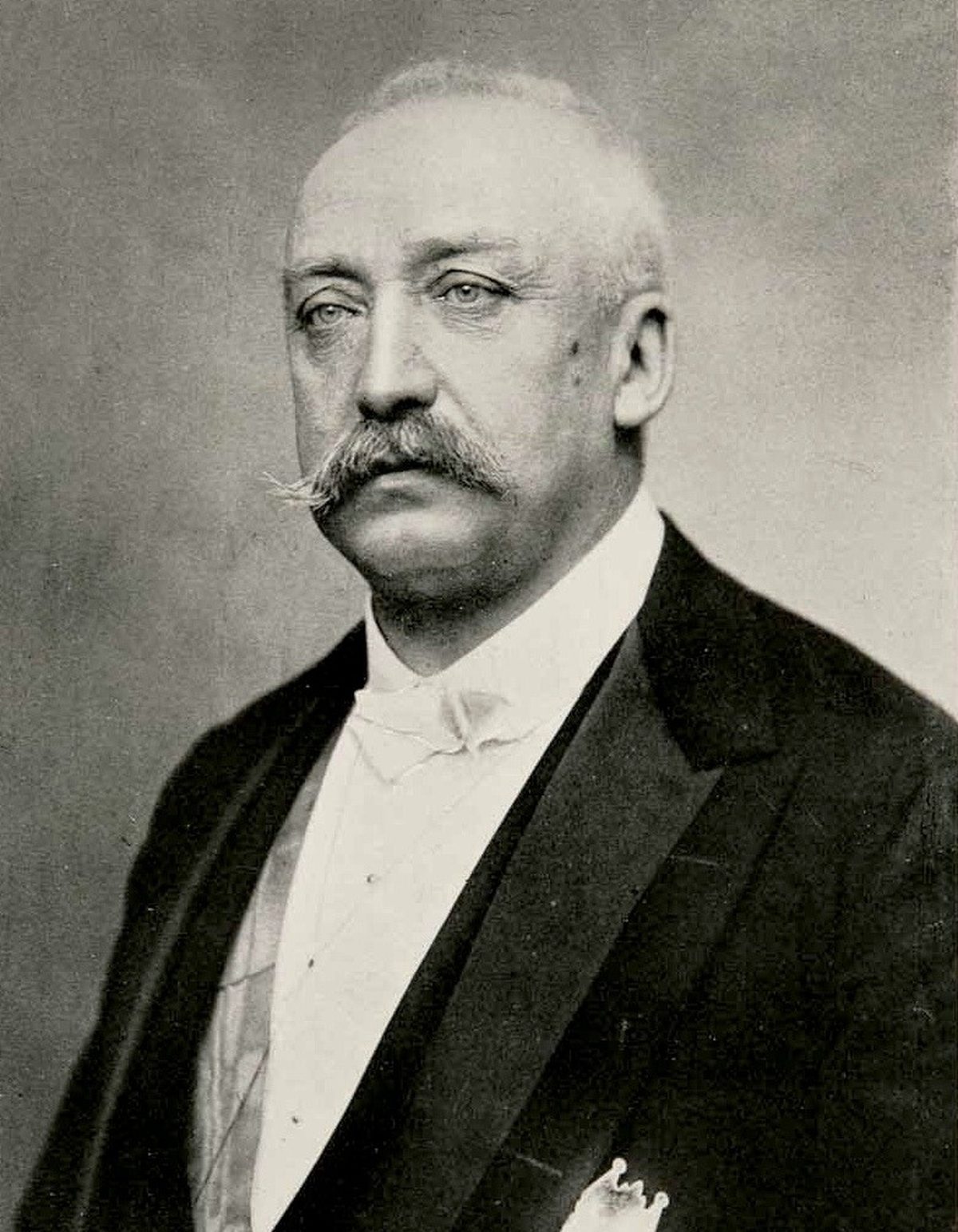
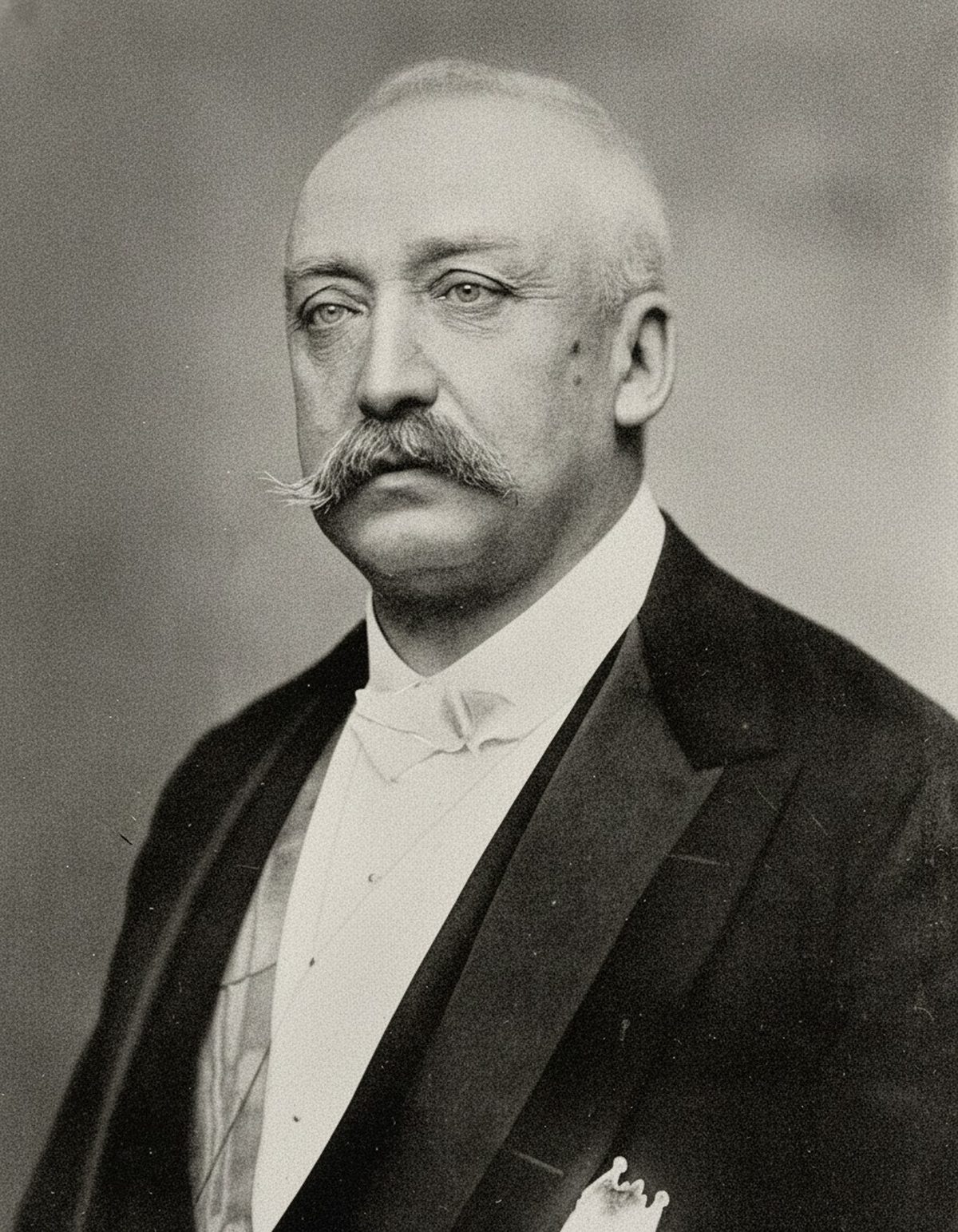
How it works
Upload your photo
Drop in a scan or phone photo of the damaged print. Your original is never touched, and there's no signup.
Preview it free
See the restoration beside your photo in about a minute. Drag the slider and judge it for yourself before you spend a cent.
Keep what you love
Pay only for the results worth keeping, then download them in full resolution.
Preview your photo — freeWhat to know before restoring this photograph
A 35mm slide is the actual film that passed through the camera, developed into a positive and clipped into a cardboard or plastic mount. Unlike a print made from a negative, it holds everything the lens recorded, which is why a careful slide scan often reveals more than any surviving paper copy of the same frame.
Slides fail in two characteristic ways. The dye layers fade at different rates, so a long-stored tray drifts toward one hue instead of simply going pale. In humid storage, fungus feeds on the gelatin and etches branching threads into the emulsion — physical loss, not surface dirt that cleaning will lift.
Capture the slide with light passing through it: a film scanner, a flatbed with a transparency unit, or a camera aimed at the frame resting on an evenly lit backlight. Leave the film in its mount, use a blower rather than cloth on loose dust, and photograph any handwriting on the mount as a separate reference.
Working from a transmitted-light scan, AI has unusually rich material. It can steer faded color back toward neutral, reopen shadow areas that fading compressed, lift local contrast, and clear residual dust specks while the film grain underneath stays visible and honest.
The limits are set by what the film still holds. Highlights that scanned as blank white and shadows that scanned as solid black offer almost nothing to work from, and wherever fungus has eaten the image, the repair is a reconstruction — a plausible fill rather than the original detail returning.
Treat active fungus with urgency. It spreads through slides stored together, so isolate affected mounts, move the collection somewhere dry, and resist wiping the emulsion side; the gelatin is soft and scratches far more easily than the glossy base. A conservator can treat valuable originals before scanning.
Be careful about certifying color. Nobody remembers a scene's exact hues across decades, so judge the rebalanced preview on plausibility — believable skin, neutral whites, a sky that fits the light — rather than against a memory that has itself faded.
When organizing results, keep the mounts, the raw scans, and the restored files together, with tray or box order noted. Slide sets usually tell a sequence — a trip, a season, a year — and that order is information the individual frames cannot carry alone.
The preview is free, so start with one representative slide and see how far the color and shadow detail come back before committing to a whole carousel. You pay only for restored files you decide to keep, and the untouched scans remain yours either way.
Questions about 35mm slides
Can AI clean up dust and color shifts on a scanned 35mm slide?
Yes — a slide holds more information than a small print, so AI has real detail to work from when it lifts residual dust, recovers local contrast, and rebalances a magenta or blue shift. The limits are at the extremes: clipped highlights and dense shadows may carry little usable data, and cardboard mounts or active fungus need careful physical handling before you ever scan.
Do I need a special scanner for 35mm slides?
For the best result, yes. A dedicated film scanner around 3200 dpi captures a transparency far better than a flatbed made for prints, and that richer scan is what lets the restoration draw on genuine detail. Clean the slide only with safe air, include the frame edge, and keep the master file separate from the copy you upload.
How much does a restoration cost?
The preview is free. Full-resolution downloads are $7.99 per photo, and the rate drops the more you restore — down to $4.49 each on the largest batches. Each photo includes up to three restoration attempts, and downloads stay available for 30 days.
Will running this change or damage the photo I upload?
It never touches the file you keep. The editor generates a new restored version and leaves your uploaded scan intact. Save that original under its own filename and note anywhere the restoration rebuilt missing detail.
Can I print the restored version?
Yes, if the file has enough pixels for the intended size. Inspect faces and fine details before printing, and keep the higher-resolution master separate from the print export.
See what your photo can become
Upload it, preview the restoration free, and keep only the result that feels right.
Preview your photo — free- 3 free previews a month
- No signup
- Ready in minutes
- One payment — nothing to cancel