Restore / 1980s photos
Restore 1980s Photos Online
AI can correct dye imbalance, moderate grain, and balance flash-lit faces against dark rooms while retaining date stamps when they matter. Fixed-focus blur and blocked shadows contain limited information. A polished edit should still look like the actual event rather than a newly staged portrait. Keep the untouched scan beside the result.
- 3 free previews a month
- No signup
- Ready in minutes
- One payment — nothing to cancel
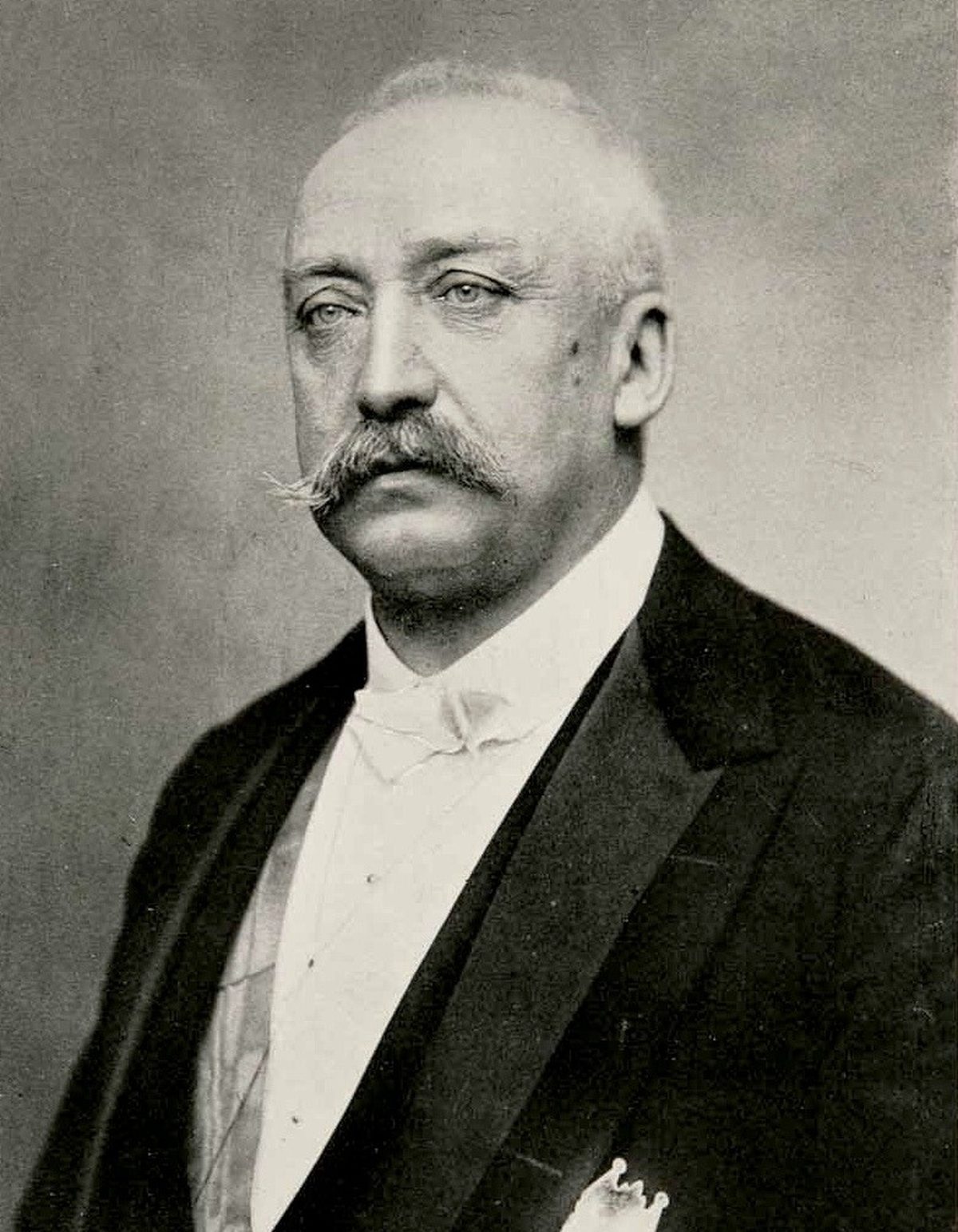
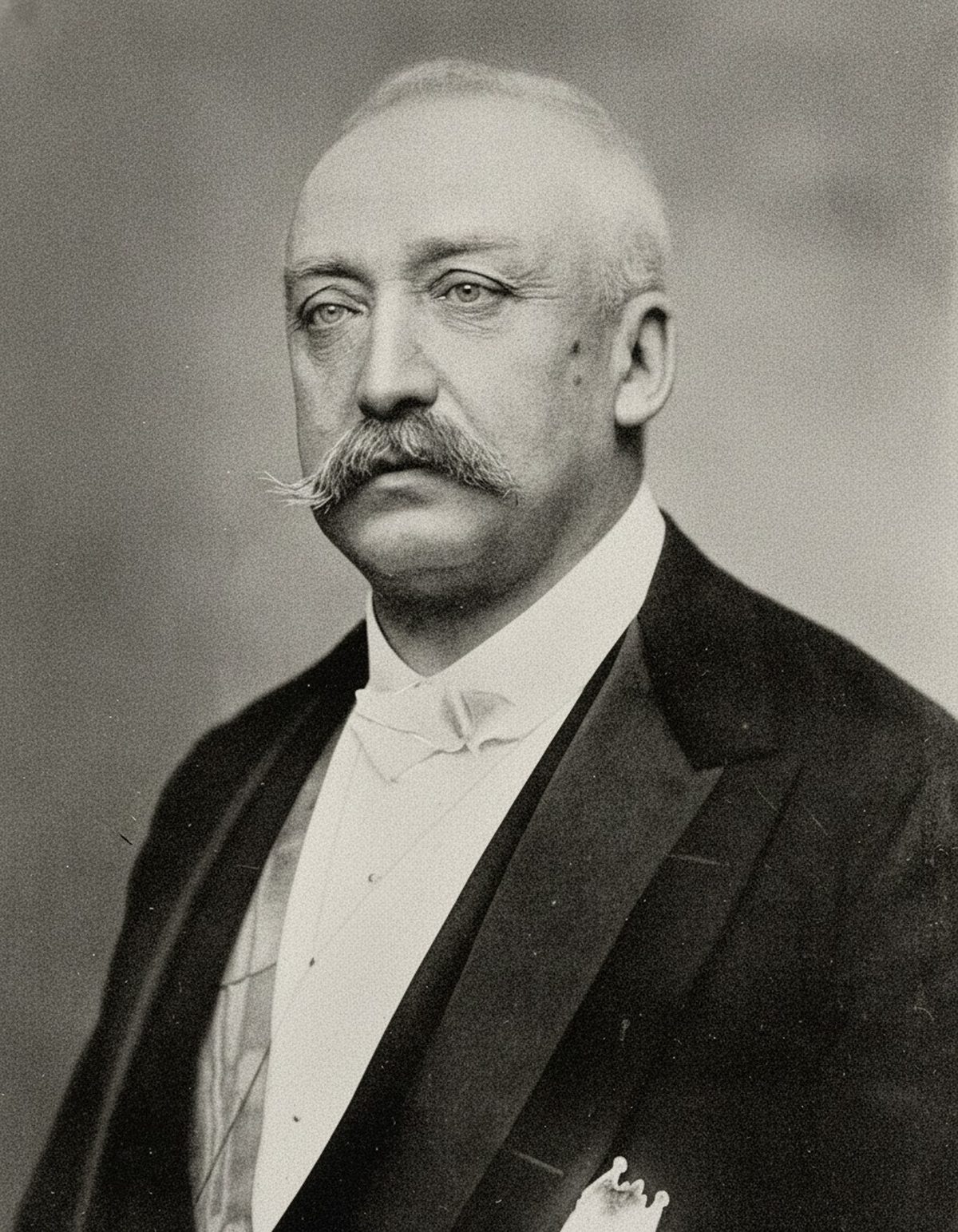
How it works
Upload your photo
Drop in a scan or phone photo of the damaged print. Your original is never touched, and there's no signup.
Preview it free
See the restoration beside your photo in about a minute. Drag the slider and judge it for yourself before you spend a cent.
Keep what you love
Pay only for the results worth keeping, then download them in full resolution.
Preview your photo — freeWhat to know before restoring this photograph
The 1980s photographed itself in bulk. Thirty-five-millimeter compacts and one-hour labs turned every event into a fat envelope of glossy machine prints, which changes the restoration problem: the question is rarely whether one image survives, but which of many near-duplicates deserves the work.
The era's storage is its biggest hazard. "Magnetic" self-stick albums held prints on adhesive-striped pages under plastic film, and over decades the adhesive yellows in stripes and grips harder. If a print resists lifting, stop pulling — scan the whole page through its plastic instead, and let software deal with the glare.
Many cameras of the period burned an orange date stamp into the corner of the frame, and film labs printed dates on the backs and borders as well. Those stamps are records; if one matters to the photograph's story, say so when restoring so a tidy-minded cleanup does not politely erase it.
On-camera flash defined the look and its faults: red-eye, bleached foreground faces floating against black rooms, and the gentle blur of fixed-focus lenses. The blur and the blocked shadows are information that was never captured — a limit no amount of processing converts into detail.
Instant photography carried on alongside, with boxy integral prints whose sealed chemistry ages on its own schedule — yellowing as a unit, sometimes browning at the frame edge. Treat those like the fragile laminates they are: scan them flat, and never try to open or trim one.
For the standard glossy prints, 600 dpi captures everything the machine printer put down, and it is worth scanning the paper envelope too — lab name, order number, and printed dates often anchor a timeline better than anyone's memory does.
AI does well correcting the dye imbalance of an aging C-print, moderating grain, easing red-eye, and balancing a flash-lit face against the dark room behind it while the date stamp stays legible.
The finished version should still look like a snapshot of the actual party, not a studio portrait staged later. When skin has been smoothed past the texture the negative held or a black background has been coaxed into invented furniture, the edit has left restoration for fiction.
Run one flash-lit print through the free preview and compare it against the scan. Export costs apply only to versions you keep, and the envelope of originals goes back in the drawer unchanged.
Questions about 1980s photographs
Can AI fix the faded colors in an old 1980s photo?
Yes — the color shifts in 80s minilab prints are one of the easier things to correct. AI can rebalance the magenta or orange cast, calm heavy film grain, and even out a flash-lit face against a dark room while keeping the date stamp if you want it. What it can't invent is detail that fixed-focus blur or a blocked-out shadow never captured, so keep the result looking like the real event.
Will it keep the date stamp and that 80s film look?
It can. The orange date stamp and the overall film character are part of what makes these photos feel like the era, so a good restoration cleans up the fading and grain without scrubbing them away. Ask to keep the stamp when it matters, aim for a moderate correction rather than a glossy modern finish, and the result should still read as an authentic snapshot from the time.
How much does a restoration cost?
The preview is free. Full-resolution downloads are $7.99 per photo, and the rate drops the more you restore — down to $4.49 each on the largest batches. Each photo includes up to three restoration attempts, and downloads stay available for 30 days.
What happens to the photo I upload?
It becomes the reference for a new restored copy and is left unchanged. Your job is to keep that original scan safe and labeled so you can always see what was real versus what the AI rebuilt.
See what your photo can become
Upload it, preview the restoration free, and keep only the result that feels right.
Preview your photo — free- 3 free previews a month
- No signup
- Ready in minutes
- One payment — nothing to cancel