Restore / 1940s photos
Restore 1940s Photos Online
AI can repair handling marks, reduce age casts, and clarify modest faces while preserving uniforms, domestic interiors, and period lighting. Generated insignia or handwriting is not historical evidence. Cross-check service records, and label any color added to a monochrome source. Keep the untouched scan beside the result.
- 3 free previews a month
- No signup
- Ready in minutes
- One payment — nothing to cancel
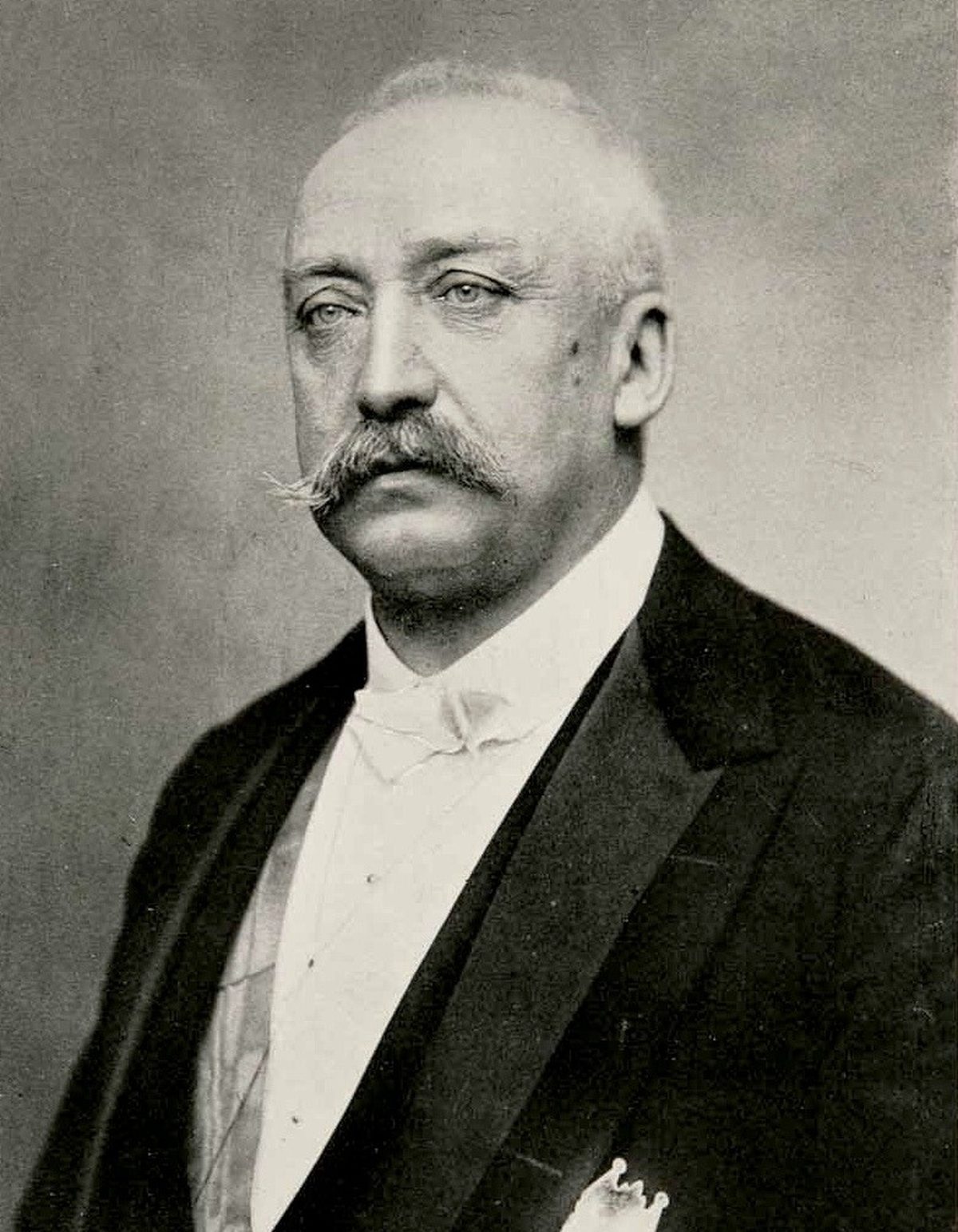
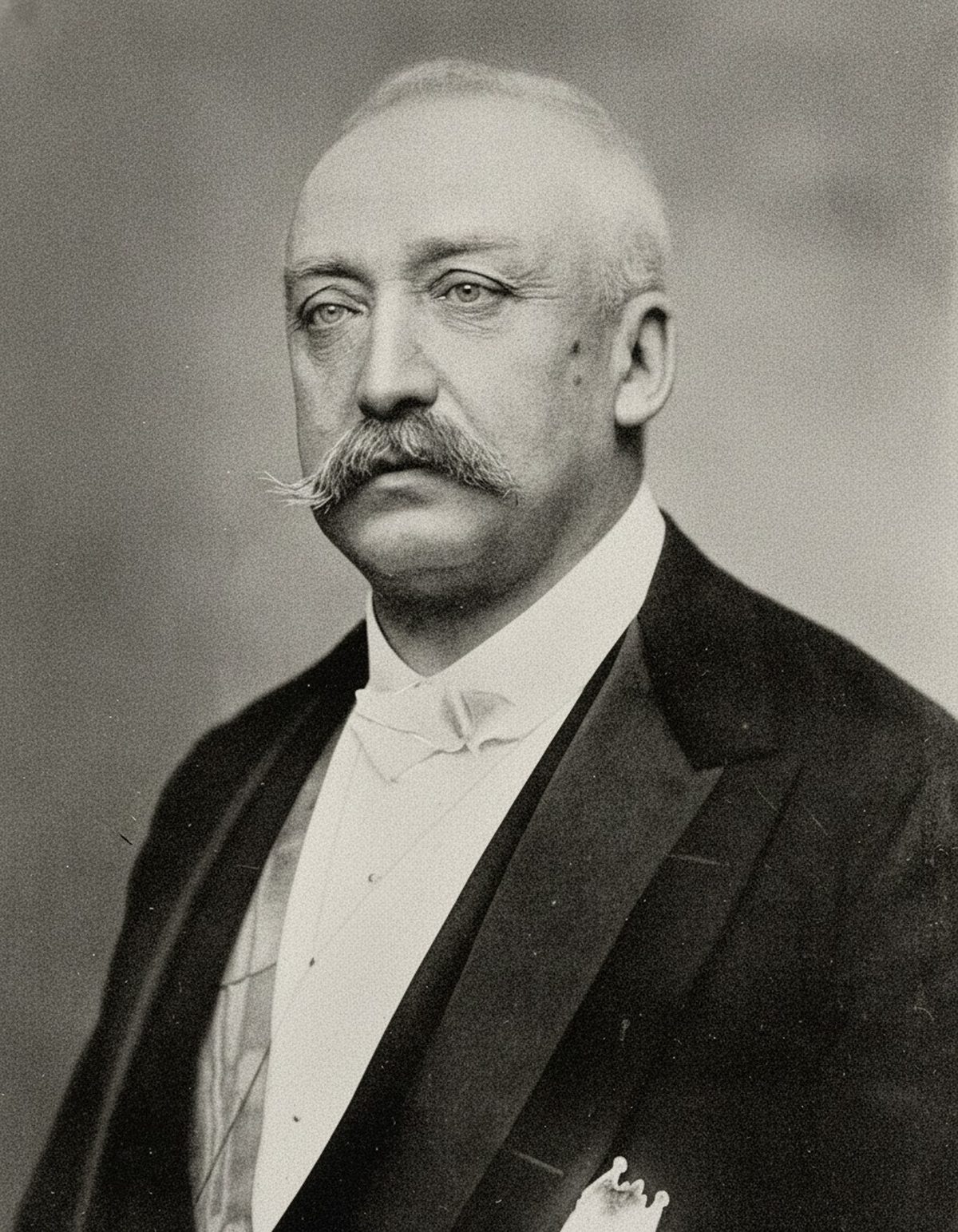
How it works
Upload your photo
Drop in a scan or phone photo of the damaged print. Your original is never touched, and there's no signup.
Preview it free
See the restoration beside your photo in about a minute. Drag the slider and judge it for yourself before you spend a cent.
Keep what you love
Pay only for the results worth keeping, then download them in full resolution.
Preview your photo — freeWhat to know before restoring this photograph
Photographs from the 1940s carry their history as wear. Prints were mailed across oceans, carried in wallets and breast pockets, pinned up and taken down, so creases, soft corners, and handling marks are the decade's signature damage, layered over ordinary fade.
Nearly everything is black-and-white: small prints, often deckle-edged, made when materials were scarce and every frame counted. The exception is the color slide. Kodachrome existed by the war years, and slides stored dark often keep their color remarkably well, while frequently projected ones show the fading that lamp-light exacts.
Scan prints at 600 dpi and slides at a few thousand, and keep envelopes, captions, and the backs of prints in your captures — a penciled name, a censor's mark, or an APO address is documentation the image alone cannot supply, and it costs nothing to preserve at scanning time.
On these scans, AI reliably closes creases, settles handling marks, reduces the yellow cast of age, and clarifies modest faces while leaving uniforms, domestic interiors, and period lighting intact. A crease that crossed a face is the harder case: the paper fibers there broke, so the repair across that line is drafted, not recovered.
Treat anything the software renders inside a uniform as decoration, not documentation. Rank patches, unit insignia, ribbons, and handwriting are precisely the details AI redraws unreliably, and a crisp-looking badge can be confidently wrong. Verify against service records and family papers before letting a restored insignia stand as fact.
Colorizing a wartime photograph is an act of interpretation. Khaki, olive, and navy are reasonable guesses; the shade of a dress or a kitchen wall is not knowable from gray values. Share the color version if it brings the scene to life, and say plainly that the color was added.
Flash and window light in these interiors was harsh, and where a face washed out to blank paper there is little texture left for anything to recover. Expect a modest, believable improvement there rather than a portrait-grade rescue.
When the batch is done, keep the letters, telegrams, and envelopes physically with the prints they arrived in. The photographs date the people; the paperwork dates the photographs — separating them costs the family record more than any scratch.
Try one wartime print first, ideally the most creased. The preview is free, the original never leaves your hands, and you only pay if the repaired version deserves a place beside the letters it came with.
Questions about 1940s photographs
How do I restore a 1940s wartime or home-front photo?
Start by scanning both sides — envelopes and inscriptions often hold the names and dates that matter most — then let AI repair handling creases, ease age casts, and clarify modest faces while keeping uniforms, interiors, and period lighting believable. What it can’t do is verify history: any insignia, handwriting, or color it adds to a monochrome print is a plausible fill, not evidence, so cross-check it against service records.
Is the color or insignia the AI adds historically accurate?
Treat it as interpretation, not documentation. AI can add tone to a black-and-white portrait and sharpen a faint badge, but it has no record of the real regiment colors or exact markings, so it reconstructs what looks right. Label any added color as edited and confirm details against service records or family papers before treating them as fact.
How much does a restoration cost?
The preview is free. Full-resolution downloads are $7.99 per photo, and the rate drops the more you restore — down to $4.49 each on the largest batches. Each photo includes up to three restoration attempts, and downloads stay available for 30 days.
Does the restorer edit my original photo?
No. You upload a digital copy and the AI works only on that copy — the physical photo and your original scan are never altered. Store the untouched scan separately so you always have it to compare against.
See what your photo can become
Upload it, preview the restoration free, and keep only the result that feels right.
Preview your photo — free- 3 free previews a month
- No signup
- Ready in minutes
- One payment — nothing to cancel