Restore / 1930s photos
Restore 1930s Photos Online
AI can lift a faded 1930s snapshot, clear album residue and surface marks, and make small contact prints easier to read as a sharing copy, while keeping the deckled edges and matte character. It cannot recover detail the print no longer holds, and any heavily rebuilt area may differ from the original. Preview the repair free and keep the untouched scan beside it.
- 3 free previews a month
- No signup
- Ready in minutes
- One payment — nothing to cancel
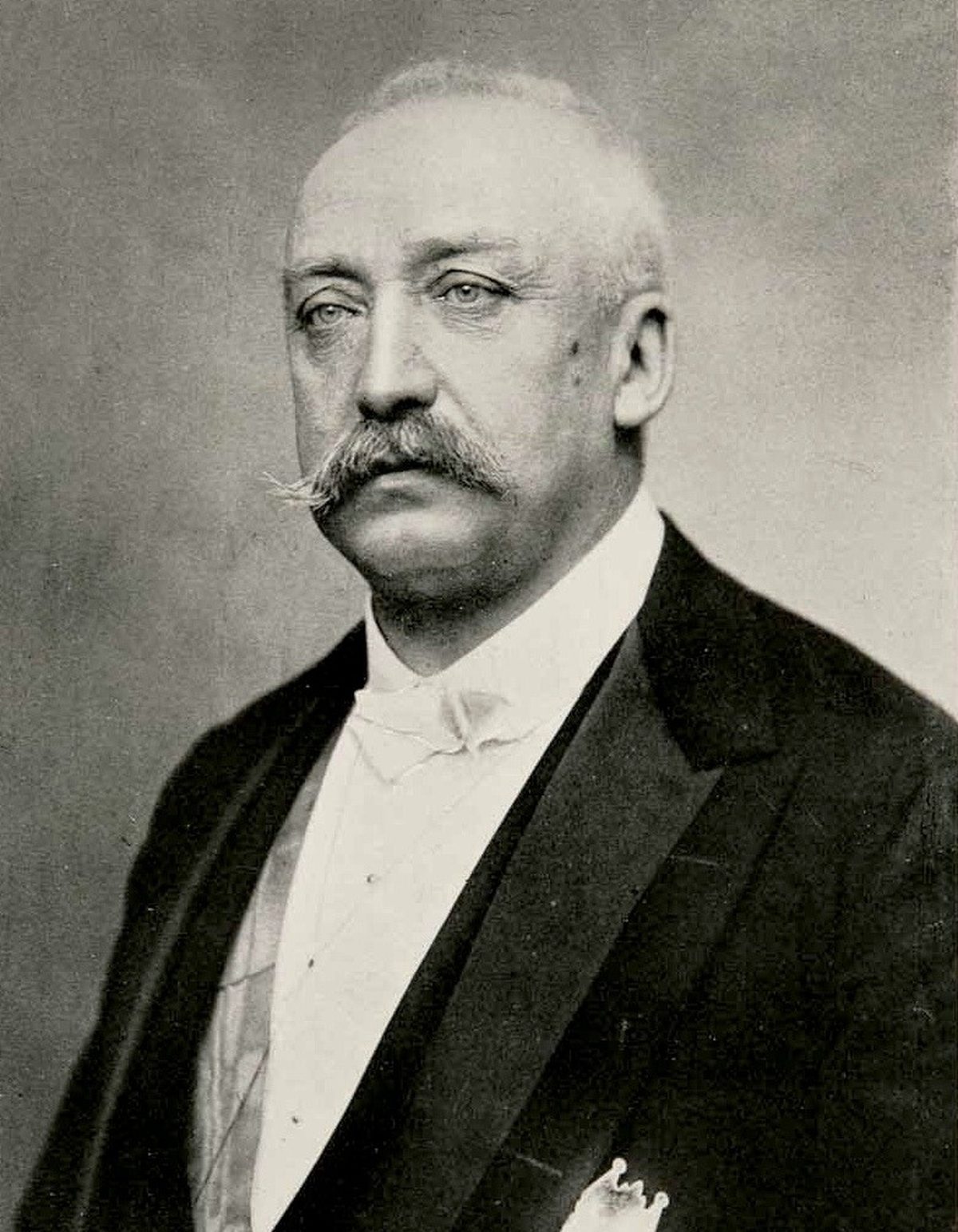
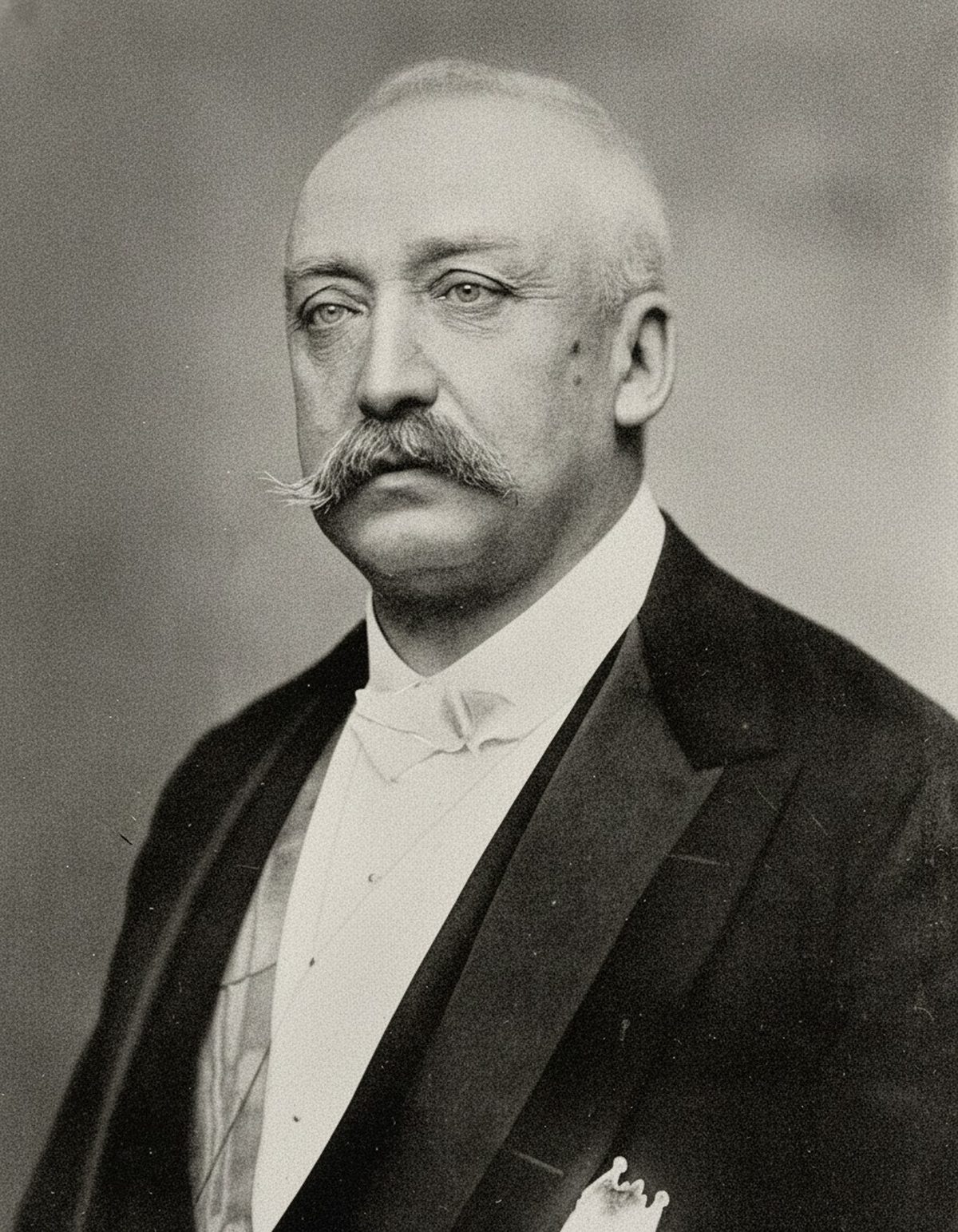
How it works
Upload your photo
Drop in a scan or phone photo of the damaged print. Your original is never touched, and there's no signup.
Preview it free
See the restoration beside your photo in about a minute. Drag the slider and judge it for yourself before you spend a cent.
Keep what you love
Pay only for the results worth keeping, then download them in full resolution.
Preview your photo — freeWhat to know before restoring this photograph
Snapshots from the 1930s announce themselves at the edges: small prints, often with deckled, wavy-cut borders, made from box- and folding-camera negatives and kept in black-paper albums. Families photographed sparingly in those years, so a single surviving frame may be the only record of a face or a house — which raises the stakes of handling it well.
The papers were in transition, matte and semi-matte surfaces early in the decade with glossier stock arriving later, and most fade toward a gentle, low-contrast gray rather than dramatic ruin. The commonest injuries are practical: glue and black album-paper fibers fused to the back, corner-mount tears, and scuffing from prints stacked loose in drawers.
Treat any surviving negatives as nitrate until you know otherwise. Nitrate film in decay discolors amber, softens or sticks to its sleeve, smells sharp — and it burns readily. Store it cool and uncrowded, never sealed in a jar or parked near heat, and make scanning it the priority; afterward the files can do the daily work.
Scan the prints themselves at 1200 dpi, since they are small and a later enlargement should draw on real paper detail. Leave residue on the backs alone: soaking or scraping to clean off album paper risks the emulsion on the front, and the scanner never sees the back anyway.
Restoration is grateful work on this decade. Contrast that has gone flat lifts convincingly, fine cracks and scuffs blend, and glue staining at the corners can be quieted without disturbing the picture around it — all while the matte surface keeps its period feel.
The honest limit is what a small, softly printed original ever recorded. A face a few millimeters wide holds only so much information; enlarged and rebuilt, it becomes the software's best proposal, worth comparing against any other photograph of the same person before it is treated as likeness.
Keep the deckled edge in the final version. It is part of the object, it testifies to the era in a way no pixel enhancement can, and trimming it away makes the restoration look like a reproduction. The same goes for a caption written beneath the print — capture it, even if you crop it from the sharing copy.
The preview costs nothing and works from your scan, never the print. See whether the flat little frame opens back up into a readable scene; if it does, export the version you want and let the album close again.
Questions about 1930s photographs
Why do my 1930s photos have wavy, scalloped edges?
Those are deckled edges, a popular print style of the era. They're part of the photo's character, so a good scan and restoration keeps them. Capture the whole print, edge included, rather than cropping them off.
Can I colorize a black-and-white 1930s photo?
Yes, but colour from this era is almost always added, not recovered, since most 1930s family photos are monochrome. Treat the result as a plausible interpretation, keep it restrained, and hold on to the original black-and-white scan alongside it.
How do I restore a photo stuck to an old album page?
Don't force it, pulling a stuck print can tear the emulsion. Scan the whole page as-is first at 600 dpi, then a restoration can reduce the visible residue and page marks in the digital copy. A badly stuck photo may need a conservator to separate safely.
My 1930s snapshot is small and soft. Can it be sharpened?
Often, within limits. Small contact prints from cheap cameras were soft to begin with, so AI can improve clarity and clean marks, but it can't add detail the tiny negative never captured. Preview the result to see how far the specific print can go.
What's the best way to preserve the date written on the back?
Scan the back of the print as well as the front. Pencilled dates and captions on 1930s photos are frequently the only reliable record of when and where, so keep that scan filed with the restored image.
See what your photo can become
Upload it, preview the restoration free, and keep only the result that feels right.
Preview your photo — free- 3 free previews a month
- No signup
- Ready in minutes
- One payment — nothing to cancel