Restore / 1920s photos
Restore 1920s Photos Online
AI can strengthen a flat print, repair isolated wear, and make dark suits or bobbed hair easier to distinguish in a sharing copy. Avoid inventing pattern, jewelry, or color as fact. Period knowledge can guide interpretation, but the surviving grayscale remains the evidence. Keep the untouched scan beside the result.
- 3 free previews a month
- No signup
- Ready in minutes
- One payment — nothing to cancel
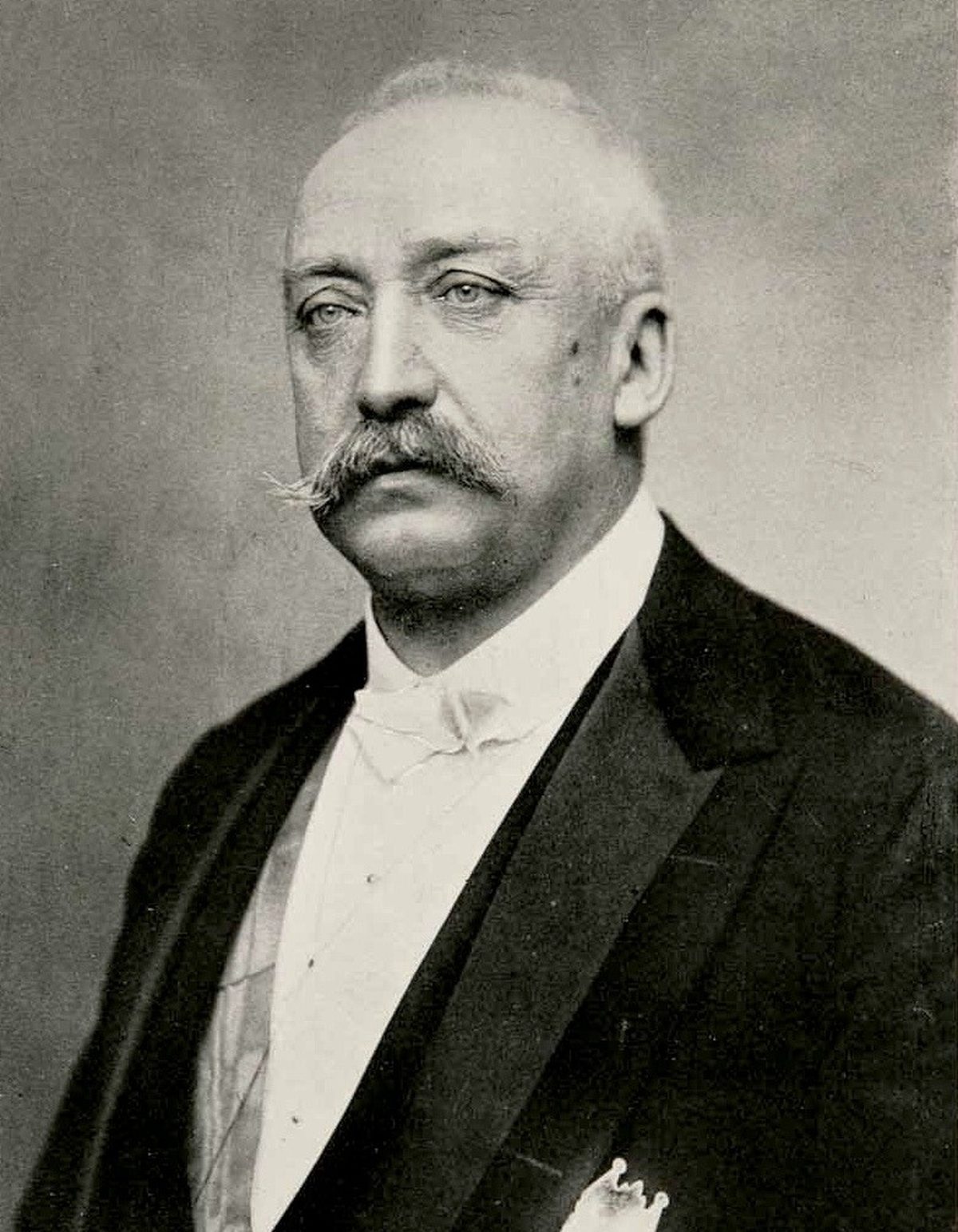
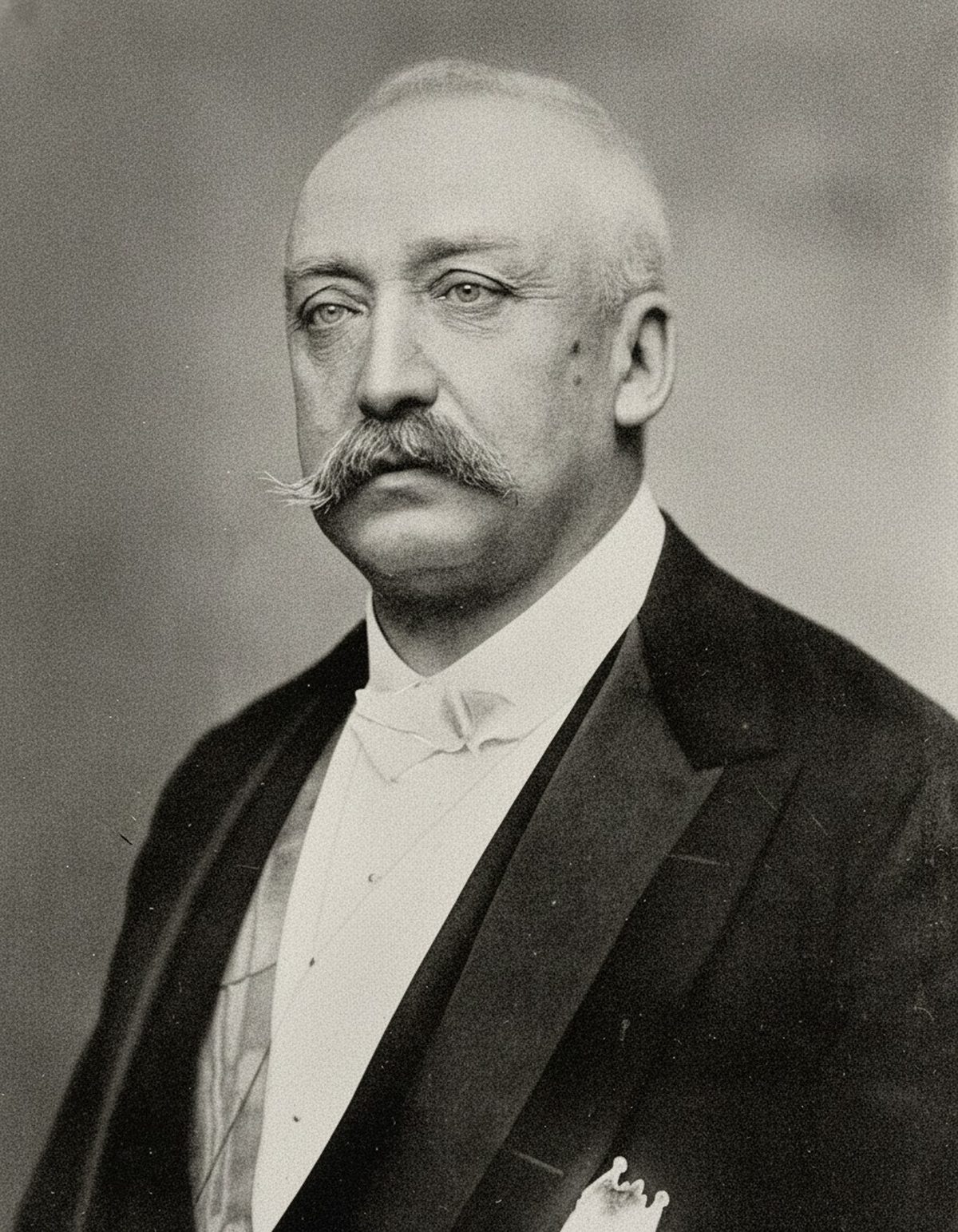
How it works
Upload your photo
Drop in a scan or phone photo of the damaged print. Your original is never touched, and there's no signup.
Preview it free
See the restoration beside your photo in about a minute. Drag the slider and judge it for yourself before you spend a cent.
Keep what you love
Pay only for the results worth keeping, then download them in full resolution.
Preview your photo — freeWhat to know before restoring this photograph
By the 1920s the camera had moved out of the studio and into the household. Box and folding cameras produced small contact prints, often just two or three inches across, pasted into black-paper albums with corner mounts or glue. The prints are usually matte, modest in contrast, and physically tiny — and that size shapes every decision about scanning and repair.
A contact print carries fine grain but no spare real estate: a face may occupy a quarter-inch of paper. Scan these little originals at 1200 dpi so any enlargement works from real information, and lift a print from its album page only if it releases easily. Torn black paper stuck to the back of a print is a better outcome than a torn print.
If the family negatives survive, assume they are cellulose nitrate until proven otherwise. Decaying nitrate yellows, buckles, turns sticky or brittle, gives off a sharp smell — and it is genuinely flammable. Keep it cool, away from heat and sealed containers, and get it scanned soon so the digital copies can carry the load from then on.
AI answers this decade's faults well. Flat, timid contrast opens up; scattered abrasion from loose storage blends away; corner tears reconnect; and the pale wash of a print left in daylight regains its blacks without losing the matte character of the paper.
Enlargement is the interpretive part. Taking a two-inch snapshot to frame size forces the software to draft texture the paper never carried — a dependable fence line or coat, a much less dependable face. The smaller the original figure, the more the enlarged version is proposal rather than record.
Resist letting an edit state pattern or ornament as fact. A beaded dress, a patterned wallpaper, or a piece of jewelry that the print records as soft blur cannot be sharpened into a confident design without guessing, and the guess will look authoritative. Keep such areas soft, or note that they were rebuilt.
Bobbed hair, dropped waists, and running boards say "twenties" to a human eye, but the software reads none of that. Dating still comes from the album caption, the mount, and the clothes — so keep white borders, edge trims, and the album's penciled notes in your captures.
Judge the preview at two scales before accepting it: full-frame for the scene, and zoomed to each face. A tiny original that looks convincing as a thumbnail can wobble at print size, and it is easier to request a gentler pass than to un-share an overworked one.
Upload one scanned album print and look at the draft beside your capture. The preview is free, you pay only for versions you choose to export, and the fragile little print itself never has to leave its page again.
Questions about 1920s photographs
Will AI restore a 1920s photo without making it look modern?
Yes — the goal is a clearer version of the same old photograph, not a modernized one. AI can lift a flat, silvered contact print, mend isolated wear, and help bobbed hair or a dark suit separate from the background for a sharing copy. The honest limit is invention: it shouldn't add pattern, jewelry, or color as fact, because the surviving grayscale is still the real evidence.
Will the restored faces still look like the real people?
That is the thing to watch most. AI can sharpen and re-separate a face that fading has flattened, and it usually stays true when enough detail survives in the scan. But where a feature is genuinely lost to silver mirroring or wear, it fills a plausible version rather than the real one — so compare each restored face against the source and any other known photo before trusting it.
How much does a restoration cost?
The preview is free. Full-resolution downloads are $7.99 per photo, and the rate drops the more you restore — down to $4.49 each on the largest batches. Each photo includes up to three restoration attempts, and downloads stay available for 30 days.
Does the AI overwrite my photo?
No — it produces a separate restored image and never edits your upload. Keep the unedited scan filed on its own and give the restoration a new name so the two never get confused.
Can I print the restored version?
Yes, if the file has enough pixels for the intended size. Inspect faces and fine details before printing, and keep the higher-resolution master separate from the print export.
See what your photo can become
Upload it, preview the restoration free, and keep only the result that feels right.
Preview your photo — free- 3 free previews a month
- No signup
- Ready in minutes
- One payment — nothing to cancel