Restore / 1900s photos
Restore Photos from the 1900s
AI can reduce spotting, recover moderate tonal separation, and reconnect narrow scratches while leaving studio props and clothing structure readable. Dates, eye color, and obscured dress details cannot be inferred with documentary certainty. Keep imprints and the unedited master with each restoration. Keep the untouched scan beside the result.
- 3 free previews a month
- No signup
- Ready in minutes
- One payment — nothing to cancel
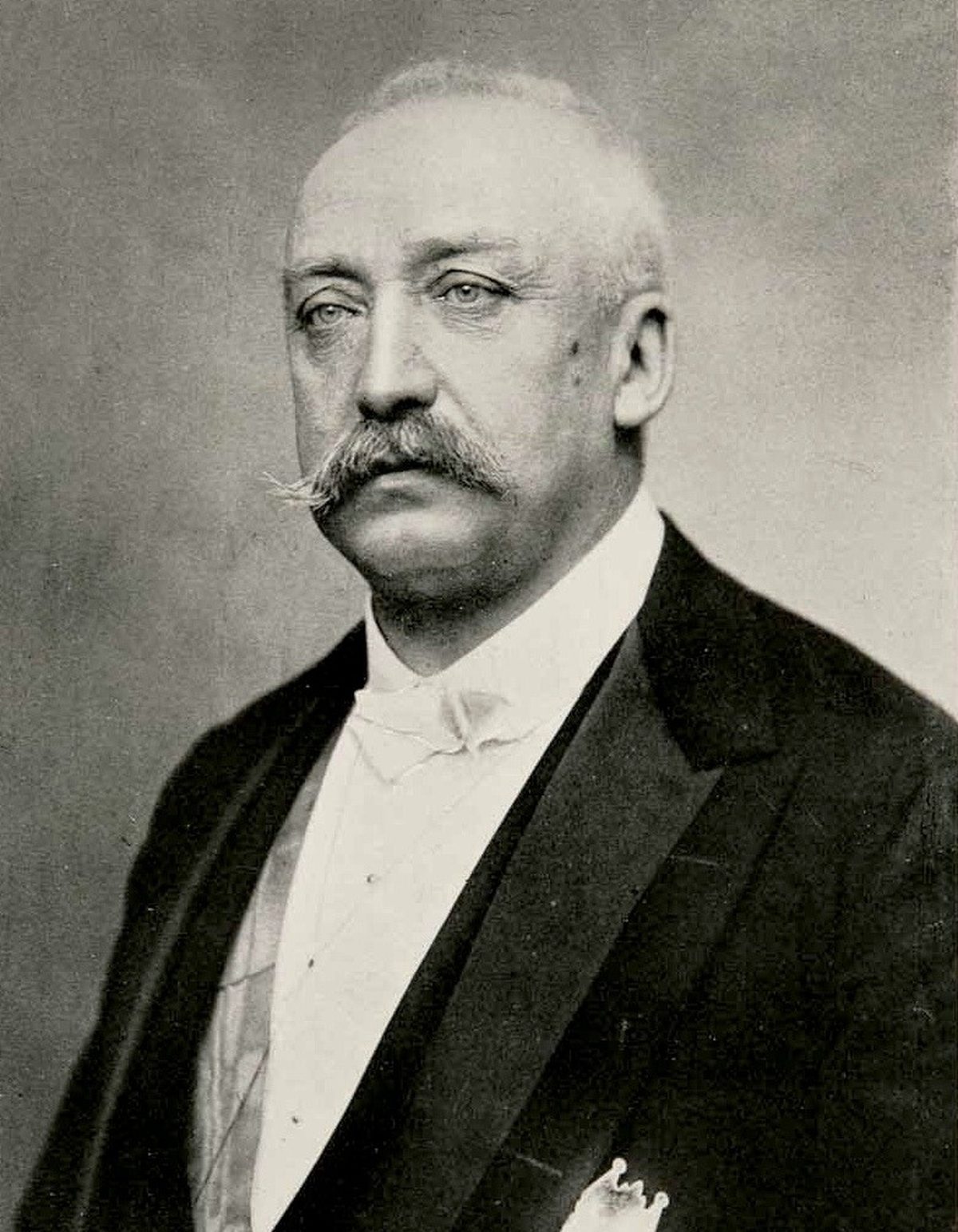
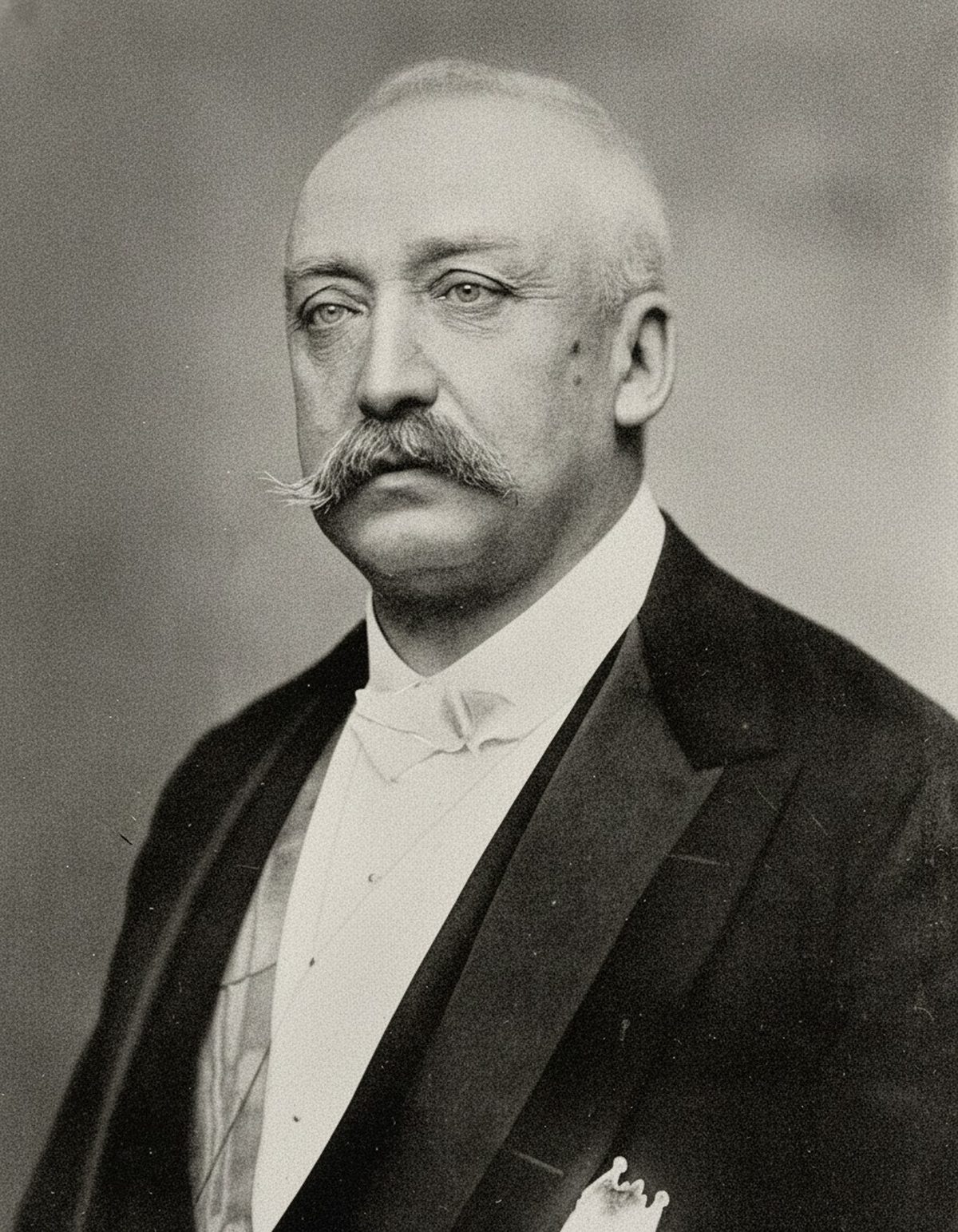
How it works
Upload your photo
Drop in a scan or phone photo of the damaged print. Your original is never touched, and there's no signup.
Preview it free
See the restoration beside your photo in about a minute. Drag the slider and judge it for yourself before you spend a cent.
Keep what you love
Pay only for the results worth keeping, then download them in full resolution.
Preview your photo — freeWhat to know before restoring this photograph
Most photographs that survive from the 1900s were made in a studio and sold mounted: a print pasted to stiff card, often with the photographer's name and town printed along the bottom edge. That imprint, the mount style, and the sitter's clothing are what genuinely date the picture. The AI cannot read a decade off a face, so scan the whole card, imprint included, rather than cropping to the image.
Two print chemistries coexisted in those years, and they fail differently. Albumen paper, bound with an egg-white layer, drifts toward yellow-brown and develops a web of fine surface cracks as the binder ages faster than the paper under it. The newer silver-gelatin papers stay more neutral but are prone to silver mirroring — a bluish metallic sheen that blooms in the densest shadow areas as silver migrates to the surface.
Scattered brown freckles on the print or its board are foxing, spotting driven by mold and impurities in the paper. It gathers where the card spent years somewhere damp, and it lands on a face as readily as on blank sky.
Leave the print on its mount. The old paste bond is usually stronger than the century-old paper, and prying at a corner lifts the image layer with it. Scan the card flat at 600 dpi — a broken mount can be captured in pieces exactly as it lies — and put the original safely away before any editing starts.
Working from that capture, AI is dependable at reducing foxing spots, reopening the tonal range a faded print has compressed, and reconnecting narrow scratches across clothing and studio props. Where fade or mirroring has genuinely emptied an area, the software fills the gap plausibly instead of recovering it, so a rebuilt face is a reading of the evidence, not a second copy of it.
Check whether any loose family pictures from these years are actually real-photo postcards, a common format of the decade printed on postcard stock with a stamp box and message lines on the reverse. A postmark or a penciled note on that back can pin down a date better than anything in the image, so capture both sides.
Adding color to a 1900s portrait is invention rather than repair. The negative recorded tones, not hues: a dress that scans as mid-gray could have been blue, green, or wine. A colorized version can be lovely to share, but label it as an interpretation and let the monochrome master remain the evidence.
The specific thing to watch in this era is the mirrored shadow. That metallic sheen scans as a strange pale haze over dark areas, and an aggressive correction may brighten it into texture that was never recorded. Ask for a restrained pass first and judge the shadows before approving anything stronger.
A free preview shows what a century-old card can give back before you commit to anything. Compare the draft against your capture of the mounted original, and pay only if the cleaned version is one you would print or pass down.
Questions about 1900s photographs
What's the best way to restore a photo from the early 1900s?
Scan the whole mount in color, then let AI reduce spotting and silver mirroring, recover moderate tonal separation, and reconnect fine scratches while the cabinet-card props and clothing stay readable. It repairs from the detail the century-old print still carries. Faded imprints, exact dates, and eye color can't be inferred with certainty, so keep the original mount and notes with the restored copy.
Can AI tell me how old a photo from the 1900s is?
No. It can make a print clearer, but it can't date it — that comes from the mount style, studio imprint, paper, and clothing, which you research yourself. The restoration may make those clues easier to read, so scan the full mount and back, and record any names or studio marks separately before you edit.
How much does a restoration cost?
The preview is free. Full-resolution downloads are $7.99 per photo, and the rate drops the more you restore — down to $4.49 each on the largest batches. Each photo includes up to three restoration attempts, and downloads stay available for 30 days.
What happens to the photo I upload?
It becomes the reference for a new restored copy and is left unchanged. Your job is to keep that original scan safe and labeled so you can always see what was real versus what the AI rebuilt.
See what your photo can become
Upload it, preview the restoration free, and keep only the result that feels right.
Preview your photo — free- 3 free previews a month
- No signup
- Ready in minutes
- One payment — nothing to cancel