Guide / why did my photo turn yellow
Why Did My Photo Turn Yellow?
Photos turn yellow for a few reasons at once: acidic paper and mounts browning with age, leftover fixer that was never fully washed out attacking the image, and years of light and heat. The cast is baked in, not on the surface, so it can't be wiped off — but AI can rebalance it. Preview the correction free before you pay.
- 3 free previews a month
- No signup
- Ready in minutes
- One payment — nothing to cancel
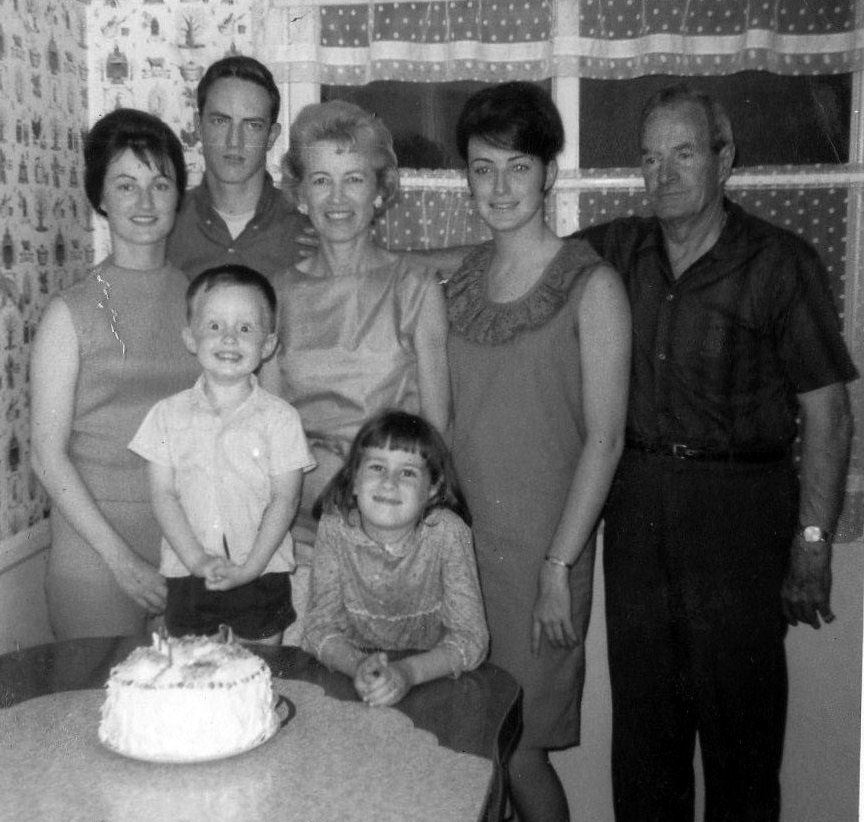
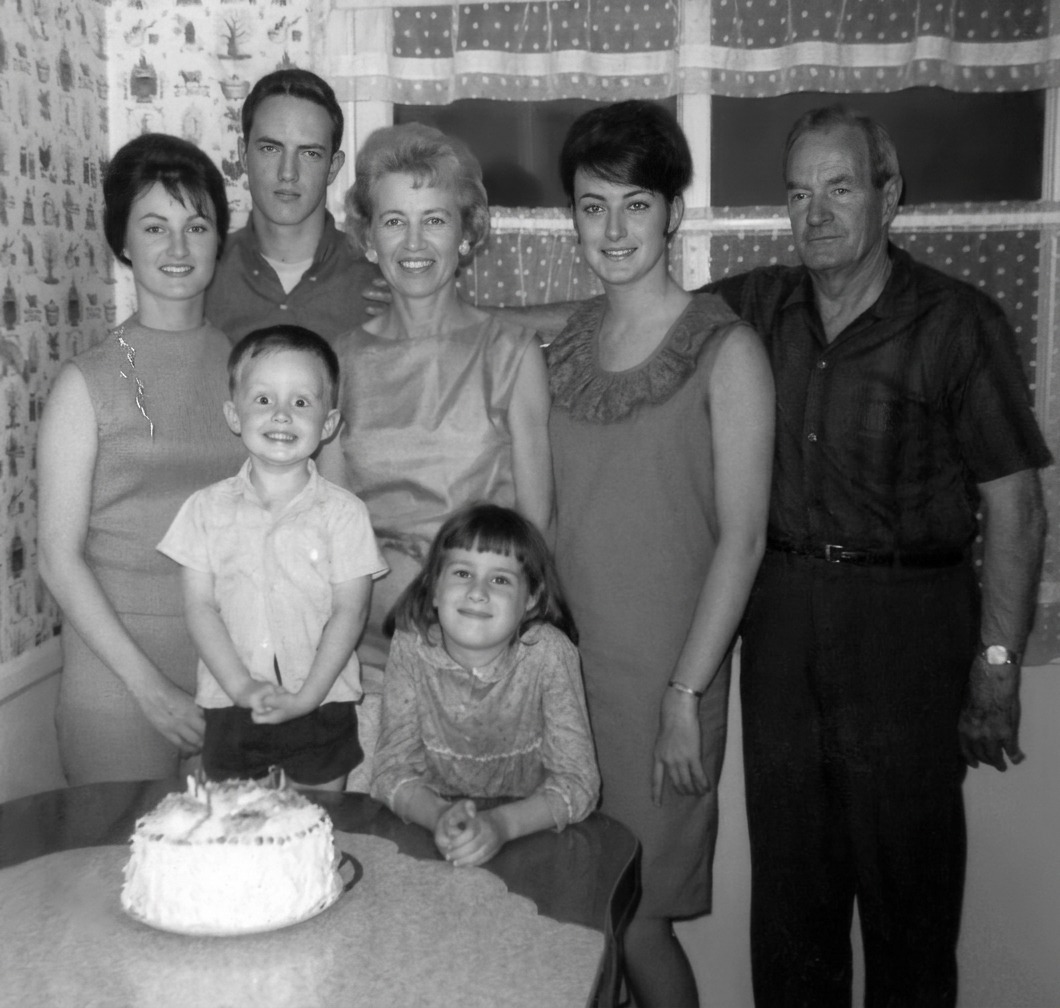
How it works
Upload your photo
Drop in a scan or phone photo of the damaged print. Your original is never touched, and there's no signup.
Preview it free
See the restoration beside your photo in about a minute. Drag the slider and judge it for yourself before you spend a cent.
Keep what you love
Pay only for the results worth keeping, then download them in full resolution.
Preview your photo — freeA practical, reversible workflow
A yellowing photograph is not dirty and cannot be cleaned back to white, because the cast is inside the print, not resting on top of it. Understanding where the yellow comes from tells you both what happened and what a correction can realistically do about it.
The most common cause is the paper itself. Photographic prints, mounts, and album pages made with acidic materials slowly break down as their own chemistry turns against them, browning from the inside — the same process that yellows old newspaper. An even, overall warm cast usually points here, to the paper aging as a whole.
The second cause is leftover processing chemistry. If a print was not washed thoroughly after developing, residual fixer stays in the paper and slowly attacks the silver that forms the image, staining it yellow-brown over decades. This kind of yellowing is often patchy or streaked rather than even, tracing where the chemistry lingered.
The third cause is simple exposure: light and heat. A print displayed in a sunny room or stored in a hot attic yellows and fades faster than one kept cool and dark, and where a mat or frame covered part of the image you can sometimes see the difference as a cleaner rectangle inside a browner border.
Where the yellow sits is the clue to its source, and it is worth reading before correcting: an even cast suggests paper or light aging, while browning that creeps in from the edges usually means acidic mats or album pages were pressed against the print, staining it from the outside in — sometimes with a dark burn line matching a frame's window.
Because the cast is chemical and baked in, no amount of cleaning removes it — but that same evenness is what makes it correctable digitally. AI reads the overall yellow, neutralizes it, rebuilds the contrast that age flattened, and evens out patchy discoloration, so the print reads as a photograph again rather than an artifact of its storage.
The honest limit is that nothing records the original hues, so a neutralized result is a well-reasoned interpretation of the print rather than a measurement of the day it was made. Faces are the test: pulling yellow out globally can drain warmth from skin, so a slightly warm, natural result usually beats a clinically neutral one.
To slow further yellowing on the originals, move prints out of sunlight and heat and into acid-free sleeves and boxes, away from the acidic albums and mats that are often the culprit. Scan them now, too — a good scan is a copy the yellowing can no longer touch.
Questions about why photos turn yellow
Why do old photos turn yellow or brown?
Usually for several reasons at once: acidic paper, mounts, and album pages browning as they age, leftover fixer that wasn't fully washed out slowly attacking the image, and years of light and heat. The cast forms inside the print rather than on its surface, so it can't be cleaned off — but because it's often even, it can be rebalanced digitally.
Can a yellowed photo be fixed, or is it ruined?
It can usually be corrected. An even age cast is one of the more reliable digital corrections: AI neutralizes the overall yellow, rebuilds faded contrast, and evens out patchy discoloration while keeping faces natural. The original scan keeps its history, and the corrected file is the version made for looking at — nothing about the print is ruined by having yellowed.
How do I stop my other photos from turning yellow?
Keep them out of direct sunlight and away from heat, and move them from acidic albums and mats into acid-free sleeves and boxes, since the paper around a print is often what stains it. Scanning them now also helps: a good scan is a copy the yellowing can no longer reach, preserving the image as it is today.
How much does a restoration cost?
The preview is free. Full-resolution downloads are $7.99 per photo, and the rate drops the more you restore — down to $4.49 each on the largest batches. Each photo includes up to three restoration attempts, and downloads stay available for 30 days.
See what your photo can become
Upload it, preview the restoration free, and keep only the result that feels right.
Preview your photo — free- 3 free previews a month
- No signup
- Ready in minutes
- One payment — nothing to cancel