Restore / 1910s photos
Restore 1910s Photos Online
AI can lift a faded 1910s print, calm silver mirroring, and clear surface marks to make a readable sharing copy, while leaving the sepia character and period detail intact. It cannot recover information the aged emulsion no longer holds, and any heavily rebuilt area may differ from the original. Preview the repair free and keep the untouched scan beside it.
- 3 free previews a month
- No signup
- Ready in minutes
- One payment — nothing to cancel
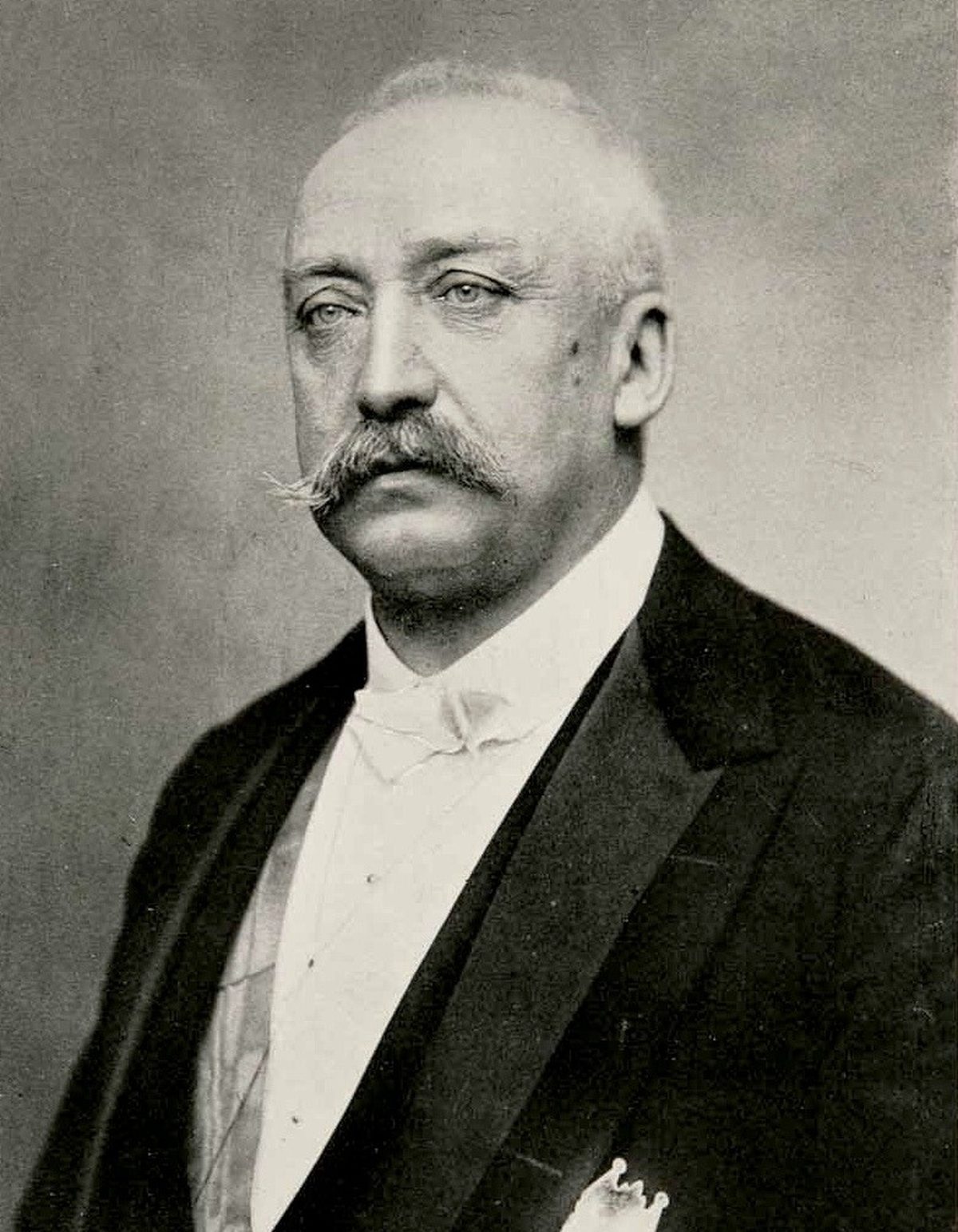
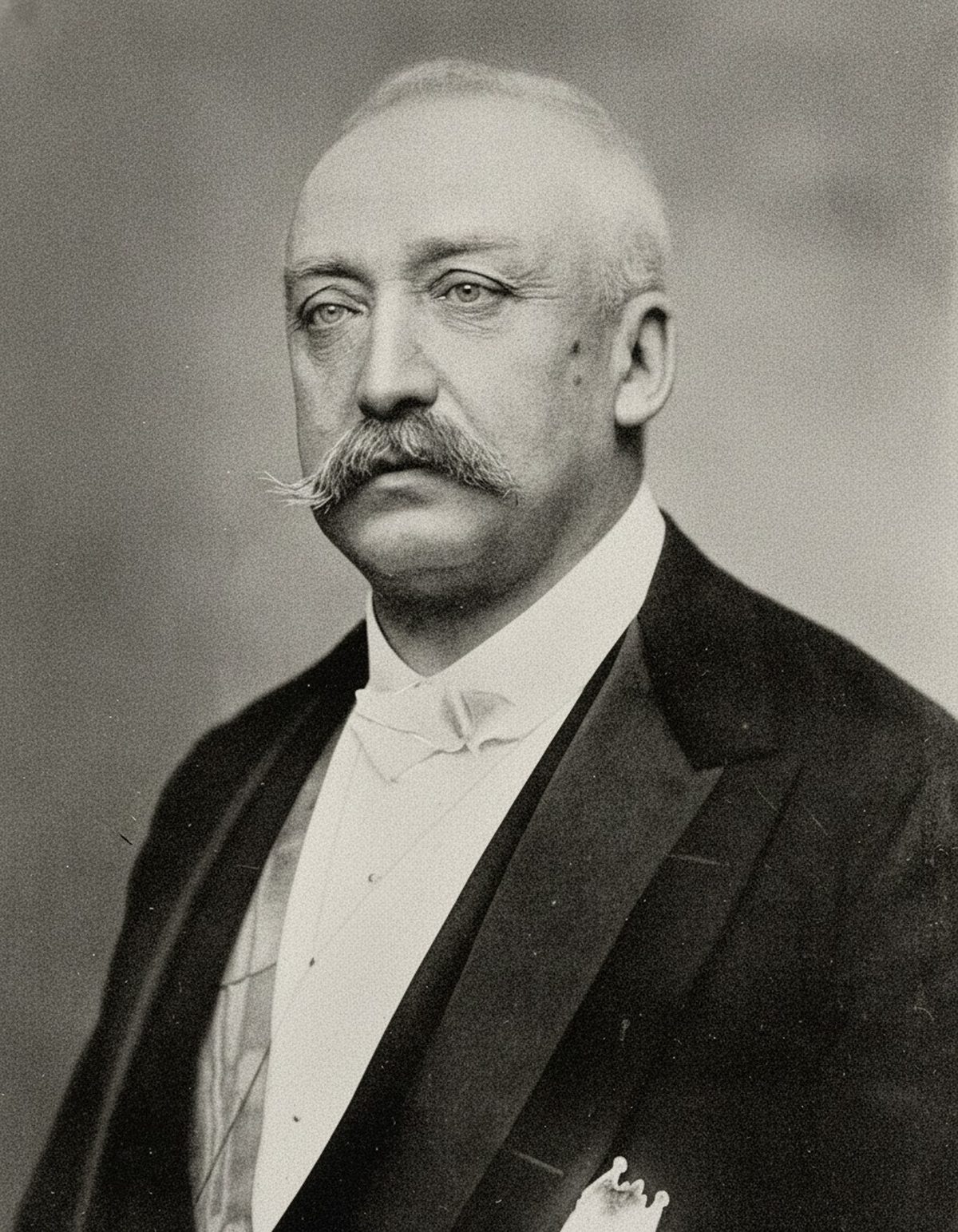
How it works
Upload your photo
Drop in a scan or phone photo of the damaged print. Your original is never touched, and there's no signup.
Preview it free
See the restoration beside your photo in about a minute. Drag the slider and judge it for yourself before you spend a cent.
Keep what you love
Pay only for the results worth keeping, then download them in full resolution.
Preview your photo — freeWhat to know before restoring this photograph
The family photograph of the 1910s often traveled through the mail. Real-photo postcards — true photographic prints made on postcard stock — were at their peak, and many portraits from these years carry a divided back, a stamp box, and sometimes a postmark that dates the picture outright. Scan both sides; the reverse can hold more history than the front.
Prints of the decade are silver-gelatin, frequently sepia-toned in the studio, and their signature failure is silver mirroring. Tilt the print under a lamp: if the dark areas flash a bluish metallic sheen, migrated silver is sitting on the surface. Scanned flat under even light, that sheen records as a pale bloom the software can calm without inventing anything.
Foxing — brown, roughly circular spotting seeded by mold during damp storage — and an overall drift toward soft, low-contrast warmth are the other usual conditions. Neither wipes off, and rubbing a fragile emulsion only adds abrasion, so every cleanup belongs on the digital copy.
Capture the card at 600 dpi with the scanner lid lowered gently, no pressure on a curled print, keep any studio imprint or handwriting in frame, and duplicate the file so the preview never touches your only copy.
From that scan, AI does its most reliable work pulling the faded midtones apart, quieting mirrored shadows, and clearing spots and small scratches so uniforms, hairstyles, and household detail read again. What the aged emulsion no longer holds cannot be drawn back out of it: a bleached face is reconstructed from context, and the reconstruction may differ from the person. Treat any heavily rebuilt area as a proposal to check against other pictures of the same relative.
Sepia is worth defending. The warm tone was applied deliberately and, as it happens, helped the print survive; scrubbing it to clinical gray modernizes the photograph without making it more truthful. A good result keeps the tone and restores the separation inside it.
Be honest about what actually dates the photograph. Postmarks, uniforms, mounts, and inscriptions are evidence; the restoration engine is not. It cannot certify that a portrait was made in 1912 rather than 1922, and any impression of period it gives should be checked against what the object itself says.
Preview the repair free on a safe scan. If the calmer, clearer version earns its place in the family record, export it then — and store the untouched capture beside it so the original evidence is never overwritten.
Questions about 1910s photographs
How do I restore a real photo postcard from the 1910s?
Scan both sides at 600 dpi in colour first, since the stamp box and any pencilled message help date it. AI can then lift fading and clear surface marks on the image while keeping the sepia tone. Preview the repair and keep the original scan, message side included.
What is the bluish metallic sheen on my old photo?
That's silver mirroring, tarnished image silver common on gelatin prints of this age, usually in the dark areas. It can't be removed physically without risk, but a restoration can reduce how much it distracts in a digital copy while leaving the print itself untouched.
Can you restore a faded WWI soldier portrait?
Often yes, if enough of the face and uniform survives the fading. AI can strengthen contrast and detail, but where a badge or feature has faded away it can only guess, so compare any rebuilt insignia to the original before treating it as accurate.
Is it safe to scan a glass-plate negative at home?
Glass plates are fragile and best handled by the edges over a padded surface; a flatbed with a transparency unit can scan them, but a cracked or flaking plate may need a conservator. Always capture a scan before attempting anything more, so you have a digital copy if the plate is lost.
Will restoring make my 1910s photo look too modern?
It shouldn't if you choose a restrained result. The goal is a clearer version that keeps the era's warm tone and character. Over-brightening and heavy sharpening are what make old photos look artificially modern, so prefer the gentler draft.
See what your photo can become
Upload it, preview the restoration free, and keep only the result that feels right.
Preview your photo — free- 3 free previews a month
- No signup
- Ready in minutes
- One payment — nothing to cancel